

Planning a trip to Cambodia? Discover the best time to visit for dry weather, ideal for exploring Angkor Wat, Phnom Penh, and the beaches.
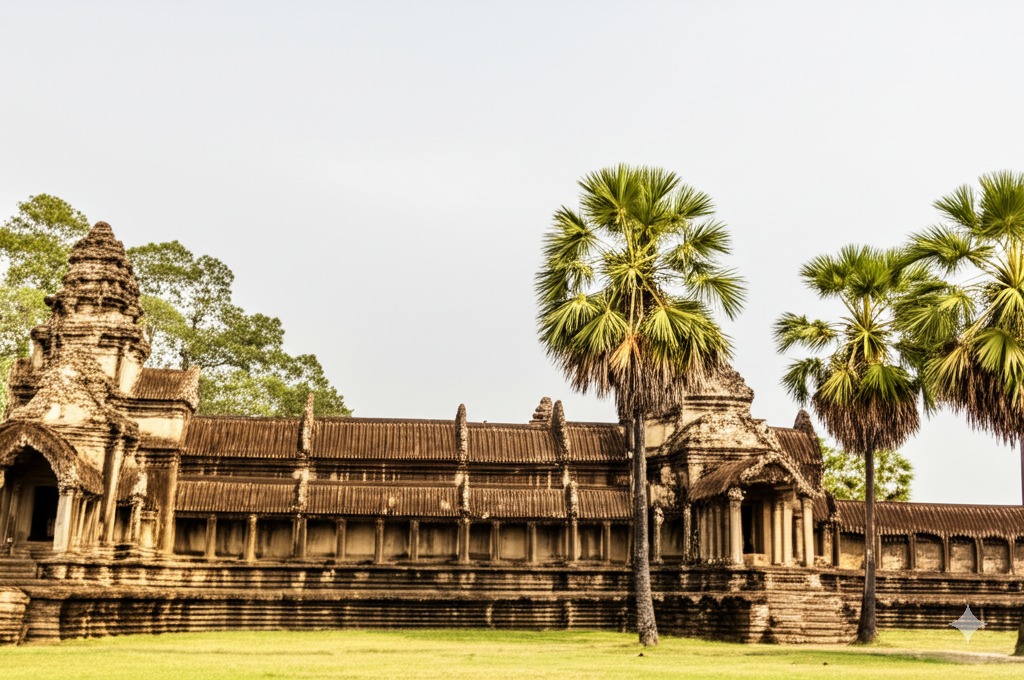
Dreaming of exploring the ancient wonders of Cambodia? The Kingdom of Wonder is brimming with breathtaking landscapes, rich history, and vibrant culture. However, timing your visit can make all the difference in maximizing your experience. From the majestic temples of Angkor Wat to the serene beaches of Sihanoukville, each season offers its unique allure and adventures. Whether you're an avid backpacker seeking hidden gems or a beach bum looking for sun-soaked shores, understanding when to visit Cambodia is key to a perfect getaway. In this ultimate guide, we’ll break down the ideal times to experience everything this enchanting country has to offer—from the bustling festivals to the tranquil off-peak months. Get ready to embark on an unforgettable adventure, as we help you discover the best time to visit Cambodia and create memories that will last a lifetime!
Cambodia experiences a tropical monsoon climate characterized by two distinct seasons: the dry season and the wet season. The dry season generally runs from late October to early May and is further divided into two parts: the cool dry season (November to February) and the hot dry season (March to May). The cool dry season is widely considered the most pleasant time to visit, with lower humidity and comfortable temperatures ranging from 20°C to 30°C. The hot dry season can see temperatures soar above 35°C, making sightseeing potentially more challenging. The wet season, also known as the rainy season, lasts from late May to early October. During this time, Cambodia experiences frequent and sometimes heavy rainfall, often in short bursts in the afternoon. While the humidity is high, the landscapes become lush and green, and the crowds are generally smaller.
The high season in Cambodia typically falls during the cool dry season, from November to February. This period boasts the most favorable weather conditions with comfortable temperatures and minimal rainfall, making it the most popular time for tourists to visit. As a result, you can expect larger crowds at major attractions like Angkor Wat and the Royal Palace in Phnom Penh. Prices for accommodation and flights tend to be higher during this time, and it's advisable to book well in advance to secure your preferred options. Despite the crowds, the pleasant weather makes it ideal for exploring the temples, wandering through the cities, and enjoying outdoor activities without the discomfort of intense heat or rain. If you prioritize comfortable weather and don't mind sharing the experience with more tourists, the high season is a great time to visit Cambodia.
The shoulder seasons in Cambodia, which occur from March to May and September to October, can offer a good balance between pleasant weather, fewer crowds, and potentially lower prices. From March to May, you'll experience the hot dry season, with temperatures gradually increasing. While it can be quite hot, especially in April, the crowds start to thin out after the peak of the high season. September and October mark the transition from the wet season back to the dry season. The rains begin to subside, and the landscapes are still beautifully green. You might still experience some rainfall, but it's generally less frequent and intense than during the peak of the low season. Visiting during the shoulder seasons can be a great option if you're looking to save on costs and avoid the largest tourist throngs while still enjoying reasonably good weather for exploring.
The low season in Cambodia, from June to August, coincides with the peak of the wet season. During these months, you can expect frequent and often heavy rainfall, high humidity, and occasional overcast skies. While the weather might seem less appealing, visiting during the low season has its own set of advantages. The most significant benefit is the smaller crowds at popular attractions, allowing for a more intimate and less rushed experience. Prices for accommodation and tours are also generally lower during this time. Moreover, the landscapes are incredibly lush and green, and the moats around Angkor Wat are often full, creating stunning reflections. However, the heavy rains can sometimes lead to travel disruptions, particularly in more rural areas with poor road infrastructure. Some outdoor activities might also be limited. If you're on a budget and don't mind the rain, the low season can offer a unique and quieter perspective of Cambodia.
While Cambodia generally experiences similar seasonal patterns, there can be slight variations in the best times to visit specific popular destinations. For exploring the iconic temples of Angkor Wat and Siem Reap, the cool dry season (November to February) is ideal due to the comfortable temperatures and low humidity, making long days of temple exploration more enjoyable. Phnom Penh, the capital city, also benefits from the pleasant weather during this period. For those looking to relax on the beaches of Sihanoukville and the southern coast, the dry season (November to May) offers the best conditions for sunbathing, swimming, and enjoying the coastal scenery. However, even during the early part of the wet season, the beaches can still be enjoyable with fewer crowds. The mountainous regions, like Mondulkiri and Ratanakiri, are best visited during the dry season for easier trekking and wildlife spotting. Be aware that road conditions in these areas can deteriorate significantly during the rainy months.
Timing your visit to Cambodia to coincide with its vibrant special events and festivals can add a rich layer of cultural immersion to your trip. One of the most significant festivals is Khmer New Year (Chaul Chnam Thmey), usually celebrated in mid-April, marking the end of the harvest season with lively street parties, traditional games, and temple visits. Pchum Ben, or Ancestors' Day, typically falls in September or October and is a deeply spiritual festival where Cambodians pay respects to their ancestors. The Water Festival (Bon Om Touk), usually held in November, is a spectacular event in Phnom Penh featuring colorful boat races, fireworks, and cultural performances, celebrating the reversal of the Tonle Sap River's flow. Planning your trip around these festivals can provide unique insights into Cambodian traditions and offer unforgettable cultural experiences. Remember to book accommodation well in advance if your visit aligns with a major festival.
Cambodia offers a range of adventure activities, and the optimal seasons for these vary depending on the activity. For hiking and biking, the cool dry season (November to February) is generally the most comfortable due to the pleasant temperatures and low humidity. Exploring the countryside around Siem Reap by bicycle or trekking in the Cardamom Mountains is best enjoyed during this time. Water sports, such as swimming, snorkeling, and diving along the coast of Sihanoukville and the islands, are best enjoyed during the dry season (November to May) when the seas are calm and the visibility is good. While it's still possible to engage in some water activities during the early part of the wet season, heavy rains and rough seas can sometimes lead to cancellations. Kayaking and boat trips on the rivers and lakes are generally enjoyable throughout the year, but the landscapes are particularly lush during the wet season.
For wildlife watching enthusiasts, the best time to visit Cambodia depends on the specific flora and fauna you hope to see. The dry season (November to May) is often considered the best time for general wildlife spotting as animals tend to congregate around water sources. Birdwatching is particularly good during the dry season when migratory birds arrive. To see the lush greenery and potentially spot different types of insects and amphibians, the wet season can also be rewarding, although some areas might be less accessible. Visiting protected areas like the Cardamom Mountains or national parks like Virachey National Park during the cooler months of the dry season offers the most comfortable conditions for trekking and wildlife observation. Always hire experienced local guides for a safe and informative wildlife watching experience.
To make the most of your timing when visiting Cambodia, consider these travel tips. If you're traveling during the high season, book your flights and accommodation well in advance. Pack light, breathable clothing suitable for the tropical climate, regardless of the season. During the hot dry season, stay hydrated and take breaks from the sun. If you're visiting during the wet season, pack a light raincoat or umbrella and be prepared for occasional travel disruptions. Consider bringing insect repellent, especially during the rainy months. Be flexible with your itinerary, as weather conditions can sometimes be unpredictable. No matter when you choose to visit, embracing the local culture and being respectful of traditions will enhance your overall experience in the Kingdom of Wonder.
| Season | Attraction/Activities (expand) |
|---|---|
| Cool Dry Season (Nov - Feb) | Visiting Angkor Wat & Siem Reap: Ideal weather with comfortable temperatures for extensive temple exploration. Exploring Phnom Penh: Pleasant and dry conditions for discovering the capital city. Trekking in Mondulkiri/Cardamom Mountains: Best time for hiking due to cooler temperatures and dry trails. Wildlife Watching & Birdwatching: Easier to spot wildlife congregating around water sources; migratory birds present. |
| Hot Dry Season (Mar - May) | Relaxing on Sihanoukville Beaches & Islands: Sunny and dry with calm seas perfect for beachgoers and water activities like swimming and diving. Exploring Angkor Wat (early mornings/late afternoons): Visit during cooler parts of the day to avoid intense heat. Water Sports: Excellent conditions for snorkeling, scuba diving, and boat trips. |
| Wet Season (Jun - Oct) | Visiting Angkor Wat & Other Temples: Fewer tourists mean a more serene experience; lush green surroundings offer unique photo opportunities. Exploring Phnom Penh: Rainfall is often in short bursts, and the city feels less crowded. Boating on Tonle Sap Lake: High water levels offer different perspectives and easier access to floating villages. Photography: Dramatic skies and vibrant landscapes after the rain. |
| Shoulder Season (Mar-May & Sep-Oct) | Balancing Crowds and Weather: Offers a compromise with fewer tourists than peak season and generally acceptable weather for most activities. March-May can be hot, while Sep-Oct sees decreasing rainfall. Potential for Good Deals: Accommodation and flight prices might be more favorable during these transition periods. |
| Mid-April | Experiencing Khmer New Year (Chaul Chnam Thmey): Witness vibrant cultural celebrations, traditional games, and temple festivities across the country. |
| September/October | Observing Pchum Ben (Ancestors' Day): Participate in a significant cultural and spiritual event where Cambodians pay respects to their ancestors, primarily at pagodas. |
| November | Attending the Water Festival (Bon Om Touk) in Phnom Penh: Enjoy spectacular boat races, lively street performances, and impressive fireworks displays. |
Choosing the best time to visit Cambodia truly depends on your personal preferences and what you hope to experience. Whether you prioritize comfortable weather for exploring ancient temples, seek lower prices and fewer crowds during the rainy season, or wish to witness the vibrant cultural festivals, Cambodia offers its unique charm throughout the year. By understanding the nuances of each season and considering your interests in adventure, relaxation, or cultural immersion, you can plan your perfect Cambodian adventure and create memories that will last a lifetime in this captivating Southeast Asian gem.
The overall best time to visit Cambodia is during the cool dry season, from November to February. This period offers the most pleasant weather with comfortable temperatures and low humidity, ideal for sightseeing and outdoor activities.
During the high season (November to February), Cambodia experiences the cool dry season. The weather is generally sunny with comfortable temperatures ranging from 20°C to 30°C and low humidity, making it very pleasant for travel.
Visiting Cambodia during the wet season (June to August) has its pros and cons. You'll encounter fewer crowds and lower prices, and the landscapes are lush and green. However, expect frequent rainfall, high humidity, and potential travel disruptions in some areas.
The hottest time to visit Cambodia is during the hot dry season, from March to May. Temperatures can soar above 35°C, and the humidity can also be high, making it important to stay hydrated and seek shade during the hottest parts of the day.
The best time to visit Angkor Wat is during the cool dry season (November to February) for the most comfortable weather. However, the sunrise over Angkor Wat is a spectacular experience year-round, just be prepared for crowds, especially during peak season.
The best time to visit the beaches of Sihanoukville is during the dry season, from November to May, when you can expect sunny skies, calm seas, and ideal conditions for swimming and other beach activities.
Yes, some major festivals in Cambodia include Khmer New Year (mid-April), Pchum Ben (September/October), and the Water Festival (November). Timing your visit with these festivals can offer unique cultural experiences.
The cool dry season (November to February) is the best time for hiking and trekking in Cambodia due to the pleasant temperatures and lower humidity, making for more comfortable conditions on the trails.
If you're visiting Cambodia during the wet season, it's advisable to pack light, quick-drying clothing, a light raincoat or umbrella, insect repellent, and waterproof bags for your electronics. Be prepared for occasional heavy rainfall.
Yes, it is generally cheaper to visit Cambodia during the low season (June to August). You can often find lower prices for accommodation, flights, and tours compared to the peak tourist season.
