

Unconventional animal encounters are explored, moving beyond the usual safari destinations. Viewers are invited to discover hidden gems where unique wildlife experiences are offered.
Tired of the same old safari footage? Imagine tracking elusive snow leopards in Bhutan, or witnessing vibrant birdlife in Brazil’s Pantanal wetlands. This isn’t your typical African safari highlight reel. Get ready to discover hidden gems and encounter wildlife you never knew existed, far beyond the well-trodden paths.
The elusive Jaguar, the king of the Brazilian Pantanal, represents the thrill of the offbeat safari.
A summary of the principles that define a truly meaningful wildlife experience away from the crowded parks:
| Aspect | Details |
|---|---|
| Defining Metric | Authenticity and Rarity over volume and predictability. |
| Key Species Targets | Jaguar, Snow Leopard, Iberian Lynx, Polar Bear, Pangolin, Wild Dogs. |
| Ecosystems | Wetlands (Pantanal), High Mountains (Ladakh), Tundra (Arctic), Cloud Forests (Costa Rica). |
| Best Time to Plan | Year-round, depending entirely on the target species (e.g., June-October for Pantanal; November-March for Snow Leopards). |
| Required Mindset | Patience, adaptability, respect for specialized local guides, and a focus on low-impact tourism. |
unexpected animal encounters on Earth—places even seasoned travelers rarely reach. If you thought you’d seen it all, prepare to have your mind blown as we venture into the truly offbeat, where unique creatures and breathtaking landscapes await.

Beyond-the-Big-Five-Why-Go-Offbeat.
For decades, African safaris have been synonymous with the Big Five—lion, leopard, elephant, rhino, and buffalo. While these iconic animals remain awe-inspiring, the experience of chasing them has become increasingly predictable. Crowded jeeps, long queues at watering holes, and the same photo opportunities can leave travelers yearning for something more. Today, the true luxury lies not in ticking off a checklist, but in going offbeat—seeking encounters that surprise, delight, and connect you more deeply with nature.
When you step away from the mainstream safari trails, you unlock the chance to witness rare and elusive species. Imagine spotting a pangolin rustling through the underbrush, or watching a wild dog pack coordinate a hunt—moments that few travelers ever experience. Offbeat safaris also open doors to ecosystems beyond the savannah:
These encounters remind us that the natural world is far richer than the Big Five alone.
Mainstream safaris often focus on a handful of national parks. But venture further, and you’ll discover ecosystems that tell different stories. The Okavango Delta in Botswana, a labyrinth of waterways where elephants swim, is a prime example of an ecosystem requiring unique tracking methods. Similarly, the Ngorongoro Highlands in Tanzania and the Kalahari Desert each offer a new lens on biodiversity, teaching us how life thrives in unexpected places.
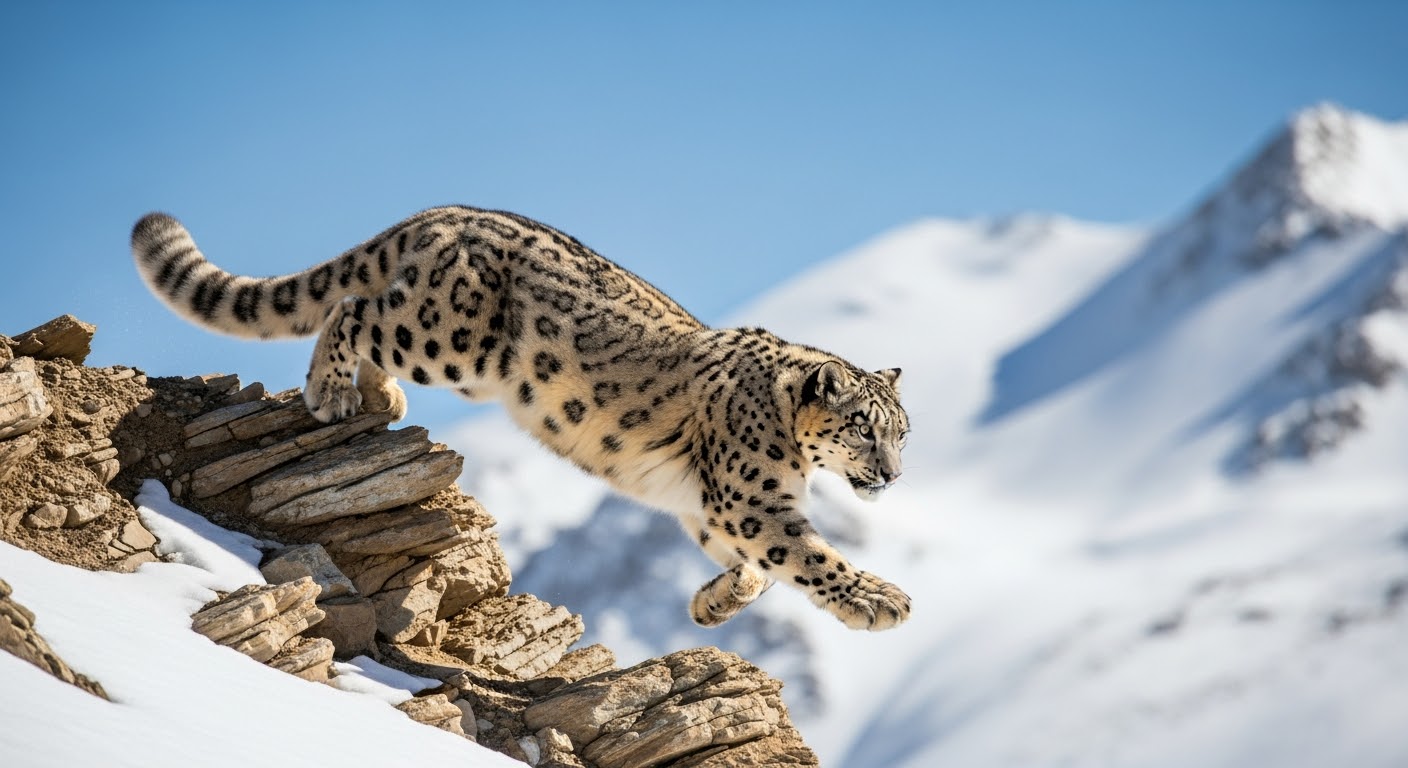
India’s Snow Leopard Expeditions in Ladakh.
High in the trans-Himalayan ranges of Ladakh, a rare adventure awaits: tracking the elusive snow leopard. Known as the “ghost of the mountains,” this predator thrives in rugged terrain where few humans dare to tread. Expeditions here are not for the faint-hearted—trekkers face icy winds, thin air, and steep ascents. Yet the reward is unparalleled: the chance to witness one of the world’s most mysterious big cats in its natural habitat. Along the way, travelers encounter blue sheep, Himalayan ibex, and golden eagles, making the journey as rich as the destination.
In the lush rainforests of Borneo, conservation meets adventure. At orangutan rehabilitation centers, visitors witness firsthand the efforts to rescue and rewild these gentle primates. Watching young orangutans learn survival skills is both heartwarming and inspiring. Beyond the sanctuaries, river cruises along the Kinabatangan River reveal another world: proboscis monkeys with comical noses, pygmy elephants, and hornbills soaring overhead. The blend of conservation and exploration makes Borneo a true hidden gem.
Few places on Earth feel as primeval as Komodo Island in Indonesia. Home to the legendary Komodo dragon, the world’s largest lizard, this island offers a glimpse into a prehistoric past. Guided treks across dry savannah landscapes bring travelers face-to-face with these formidable reptiles. Yet Komodo’s secrets extend beneath the waves: divers and snorkelers discover a vibrant underwater world teeming with manta rays, coral reefs, and colorful fish. It’s a destination that combines raw terrestrial power with dazzling marine beauty.
Asia’s wild secrets go far beyond the usual safari or jungle trek. From the icy peaks of Ladakh to the rainforests of Borneo and the volcanic islands of Indonesia, these destinations offer rare wildlife encounters, unique ecosystems, and cultural immersion. For travelers seeking something extraordinary, these hidden gems prove that adventure is alive and thriving in Asia’s untamed corners.
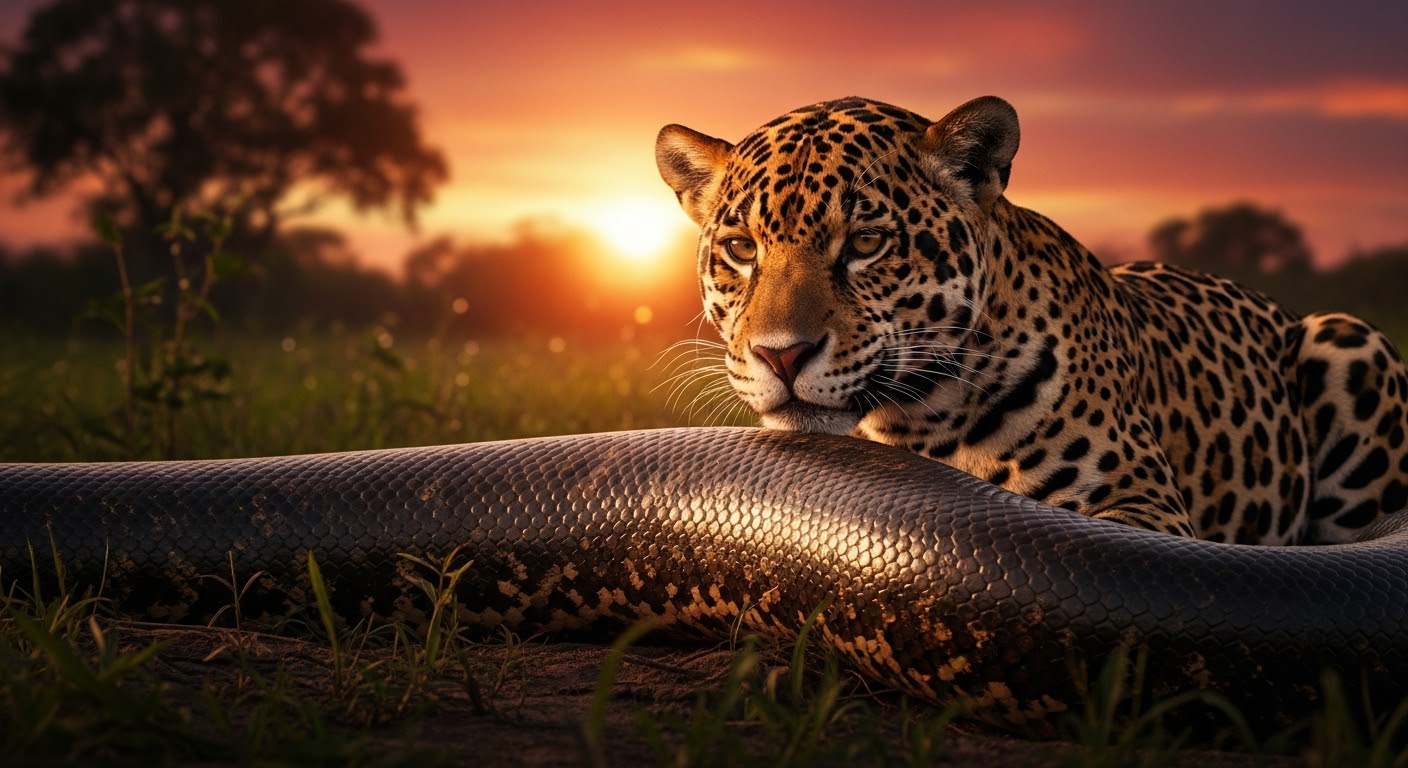
Highest density of jaguars in the world
Stretching across Brazil, Bolivia, and Paraguay, the Pantanal is the world’s largest tropical wetland and one of the richest ecosystems on Earth. Unlike the dense Amazon, the Pantanal’s open landscapes make wildlife spotting easier and more rewarding. Here, travelers can witness jaguars prowling riverbanks, giant anacondas basking in the sun, and a kaleidoscope of birdlife including hyacinth macaws, jabiru storks, and roseate spoonbills.
Far to the north, Canada’s Arctic offers a wilderness unlike any other. In places like Churchill, Manitoba, travelers embark on tundra safaris to see polar bears in their natural habitat. Summer brings opportunities to spot beluga whales migrating through Hudson Bay, while winter nights unveil the mesmerizing Northern Lights dancing across the sky. This is a land of extremes, where survival itself is a spectacle.
Costa Rica is a biodiversity hotspot, home to more species per square kilometer than almost anywhere else on Earth. In the misty Monteverde Cloud Forest, travelers encounter sloths lazing in treetops, resplendent quetzals, and countless orchids. The country’s rainforests, from Corcovado National Park to Tortuguero, teem with monkeys, toucans, and vibrant frogs. Conservation is at the heart of Costa Rica’s tourism, making every visit both an adventure and a contribution to protecting nature.
From the wetlands of Brazil to the icy tundra of Canada and the lush forests of Costa Rica, the Americas offer wild secrets that go far beyond mainstream travel. These destinations remind us that true adventure lies in diversity—whether it’s spotting a jaguar, watching the Northern Lights, or meeting a sloth in its leafy home.
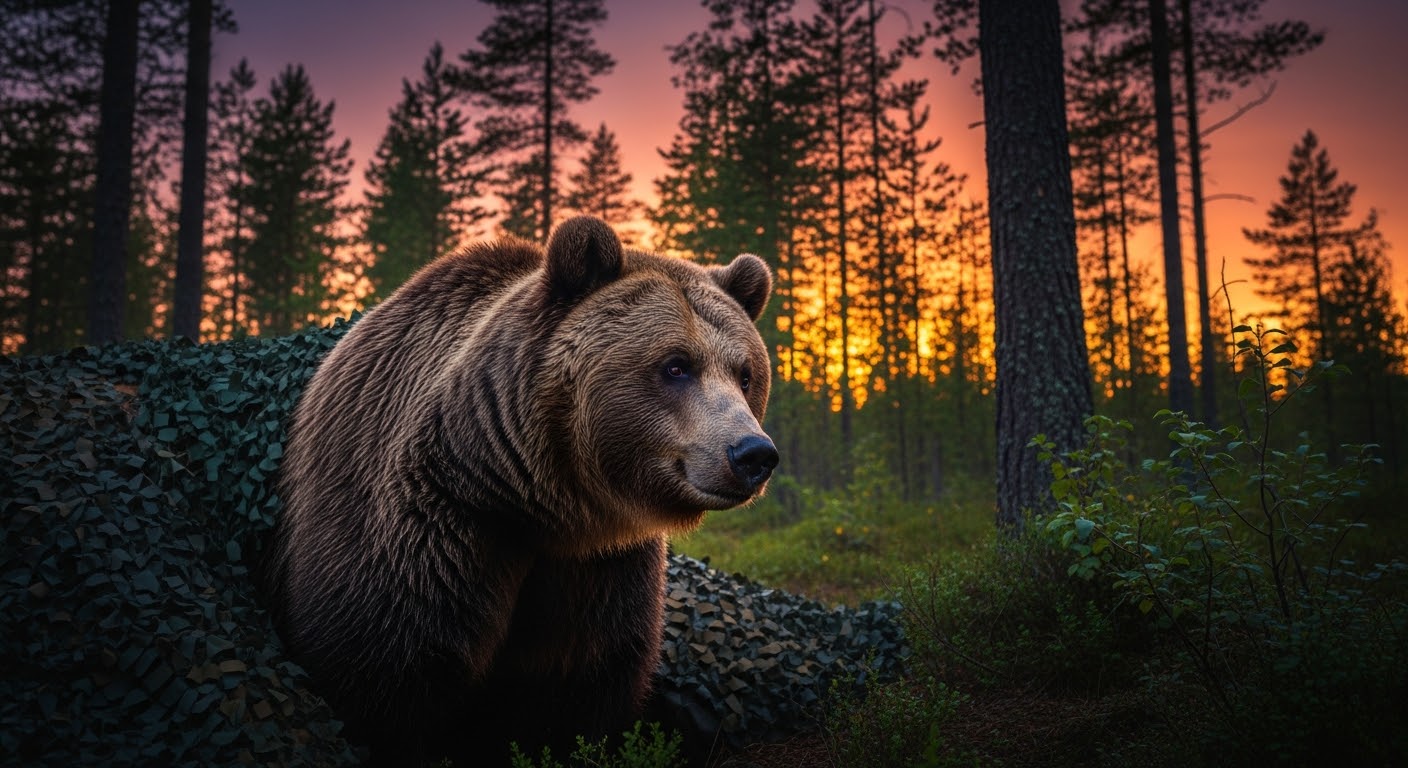
Finland's wolverine and brown bear hides for ethical nocturnal photography.
Far beyond the bustling cities and northern lights tourism, Finland offers a raw wilderness experience that few travelers know about. In the boreal forests near the Russian border, specialized wildlife hides allow photographers and nature enthusiasts to ethically observe wolverines and brown bears at night. These hides are designed to minimize disturbance, ensuring that encounters remain natural and respectful. As dusk falls, the forest comes alive—bears lumber through the undergrowth, wolverines dart across clearings, and owls glide silently overhead.
In southern Spain’s Sierra de Andújar Natural Park, travelers step into the last stronghold of the Iberian lynx, one of the world’s most endangered big cats. Once on the brink of extinction, conservation efforts have revived populations, making sightings possible for patient wildlife watchers. The rugged Mediterranean scrubland is also home to imperial eagles, wild boar, and red deer, offering a rich biodiversity alongside the lynx. Visiting here is not just about spotting a rare predator— it’s about witnessing a conservation success story in action.
Stretching across central and eastern Europe, the Carpathian Mountains are a stronghold of wilderness in Romania. These forests harbor Europe’s largest brown bear population, with thousands roaming freely. Conservation projects have also reintroduced European bison, restoring a species that vanished centuries ago. Beyond wildlife, the Carpathians offer dramatic landscapes—dense forests, alpine meadows, and medieval villages nestled in valleys. For travelers, it’s a chance to experience Europe’s wild heart, where nature and tradition coexist.
Europe may be known for its historic cities and cultural landmarks, but its wilderness tells another story. From Finland’s nocturnal hides to Spain’s lynx reserves and Romania’s bear-filled mountains, the continent offers unexpected adventures for those willing to go off the beaten path. These destinations prove that Europe’s wild side is alive, thriving, and waiting to be explored.
Stuck in a safari rut, seeing the same Big Five animals repeatedly? It’s time to break free from the ordinary. This guide will open your eyes to a world of unconventional wildlife adventures, from tracking Komodo dragons in Indonesia to spotting polar bears in the Arctic. Discover how to create truly unforgettable animal encounters that will stand out from every other safari story.
Every unforgettable journey begins with smart preparation. Whether you’re trekking across icy tundras, navigating humid jungles, or exploring arid deserts, the right gear makes all the difference.
Pro tip: Pack versatile clothing that can be layered, and always carry a small daypack for excursions.
Adventure isn’t just about where you go—it’s about how you travel. Choosing responsible operators ensures your journey supports conservation and local communities rather than harming them.
Ethical travel transforms your adventure into a force for good, leaving behind positive footprints.
Offbeat safaris and wilderness expeditions can feel expensive, but with smart planning, you can maximize value while enjoying unique experiences.
Remember: the most unforgettable adventures aren’t about spending the most—they’re about investing in rare, meaningful experiences.
Planning your adventure is more than logistics—it’s about aligning your journey with your values. With the right gear, ethical choices, and smart budgeting, you’ll not only explore diverse landscapes but also create memories that enrich both your life and the places you visit.
This sample itinerary demonstrates how you can combine three distinct and challenging offbeat encounters into a thrilling global journey, focusing on specialized, single-species quests.
| Time Slot | Activity & Location | Key Species/Focus |
|---|---|---|
Day 1: Brazil's Pantanal (The Jaguar Quest) |
Morning: Sunrise boat safari on the Cuiabá River (Northern Pantanal). Afternoon: River tracking, focusing on riverbanks where capybaras and caimans congregate. | Jaguar, Giant River Otter, Capybara, Yacare Caiman. |
Day 2: Canada's Arctic (Polar Bear Country) |
Morning: Fly-in to Churchill, Manitoba. Gear check and briefing. Late Afternoon: Tundra Buggy excursion into the coastal ecosystem. Focus on sighting bears preparing for the winter ice. | Polar Bear, Arctic Fox, Ptarmigan, Beluga Whale (seasonal). |
Day 3: Spain's Sierra de Andújar (Iberian Lynx) |
Full Day: Dedicated, patient staking out of known lynx territories from hides. Focus on tracking in scrubland areas and observation near rabbit populations (lynx primary prey). | Iberian Lynx, Red Deer, Spanish Imperial Eagle, Wild Boar. |
A key factor in offbeat safaris is timing. Unlike the African dry season, the "best time" is highly localized and often dictated by weather and animal breeding or migration cycles. For example, to maximize the chances of spotting Jaguars in the Pantanal, you must travel during the dry season (June to October), when the cats are concentrated near the riverbanks. For Snow Leopard tracking, the cold winter months (November to March) are necessary to drive the prey (and the predator) to lower, more accessible altitudes. Always consult a specialist operator to align your travel dates perfectly with your target species' peak visibility.
The era of the predictable, Big Five checklist safari is evolving. The modern traveler seeks depth, authenticity, and a personal connection to the natural world. Going offbeat means choosing the rare moment over the common crowd, prioritizing the integrity of the ecosystem, and embracing the journey of discovery itself. Whether you find yourself waiting patiently for a wolverine in the Finnish night or navigating the steamy backwaters of the Amazon, the future of luxury wildlife travel lies in the challenging, the meaningful, and the truly unexpected.
Offbeat safaris are generally recommended for experienced travelers due to the remote locations and required patience. However, if you are fit, adaptable, and use a reputable, specialized tour operator, certain destinations like the Pantanal or Costa Rica are highly accessible for dedicated first-timers.
While not a formal list, the "Offbeat Big Five" often refers to the world's most sought-after, difficult-to-see animals: the Jaguar, the Snow Leopard, the Iberian Lynx, the Polar Bear, and the Pangolin.
Ethical tracking relies entirely on trained local trackers using knowledge of the animal's behavior and environment. It involves observation from a distance, using high-powered optics, and never pursuing the animal. Ethical operators prioritize the animal's welfare above the sighting.
Safety risks differ by region. They are not necessarily higher, but they are different—you may face challenging terrain, harsh weather (Arctic), or require specific vaccinations (Pantanal). Always research local advice and ensure your operator has rigorous safety protocols and communication systems.
The best time to visit the Pantanal for jaguars is during the dry season, from June to October. As water recedes, the jaguars congregate near the main rivers, making river-based tracking highly effective.
Specialized sub-zero thermal layers, insulated outer shells (often provided by tour operators), face and hand protection, and quality waterproof boots are non-negotiable. Photography gear should also be protected against extreme cold.
Yes and no. You might see elephants or buffalo in specific offbeat African locations (like the Okavango Delta), but the focus is deliberately shifted to other unique species and ecosystems, providing a broader, more enriching wildlife experience.
Because these animals are rare and elusive, patience is key. A minimum of 5 to 7 days is usually required for a single target species (like the Iberian lynx or snow leopard) to account for weather and luck. Shorter trips are possible for high-density areas like the Pantanal.
A responsible operator uses small groups, employs local community members, clearly articulates its commitment to animal welfare (no baiting, no approaching), and invests a percentage of profits back into local conservation projects.
Yes. The US offers spectacular offbeat opportunities, such as observing the Spirit Bear in British Columbia (Canada, close to the US border) or tracking wolves in the remote corners of Yellowstone during winter. The Alaskan wilderness is also a premier destination for observing Brown Bears and Orcas.
Ready to trade the Land Rover queue for a tracking adventure?
Plan Your Next Great Discovery