Unveiling Egypt: Your Ultimate Guide to Adventure
Plan your dream Egypt adventure with our ultimate guide! Discover top attractions, understand travel costs, and get essential tips for an unforgettable trip.
Unveiling Egypt: The Ultimate Guide to Must-Visit Places, Costs, and Travel Tips for Your Dream Adventure!
Unveiling Egypt: The Ultimate Guide to Must-Visit Places
Egypt, a land steeped in history and mystery, beckons adventurers with its mesmerizing landscapes and timeless treasures. From the iconic pyramids of Giza that stand sentinel over the desert sands to the vibrant streets of Cairo filled with culture and life, this ancient civilization offers an unparalleled travel experience. Picture yourself cruising down the Nile, exploring the temples of Luxor, or wandering through the bustling markets of Aswan. But planning your dream adventure in Egypt requires more than just a sense of wonder; understanding the must-visit places, budget considerations, and essential travel tips can transform your journey from daunting to delightful. Whether you’re an intrepid explorer or a leisurely sightseer, this ultimate guide will help you navigate the wonders of Egypt, ensuring you create memories that last a lifetime. Get ready to uncover all the secrets this enchanting destination has to offer, one captivating site at a time!
Top Must-Visit Places in Egypt: A Journey Through Antiquity and Beyond

Your dream adventure in Egypt simply must include these incredible locations, each telling a unique chapter of this fascinating country's story.
Exploring the Ancient Wonders: Pyramids and Temples
No trip to Egypt is complete without witnessing its awe-inspiring ancient monuments.
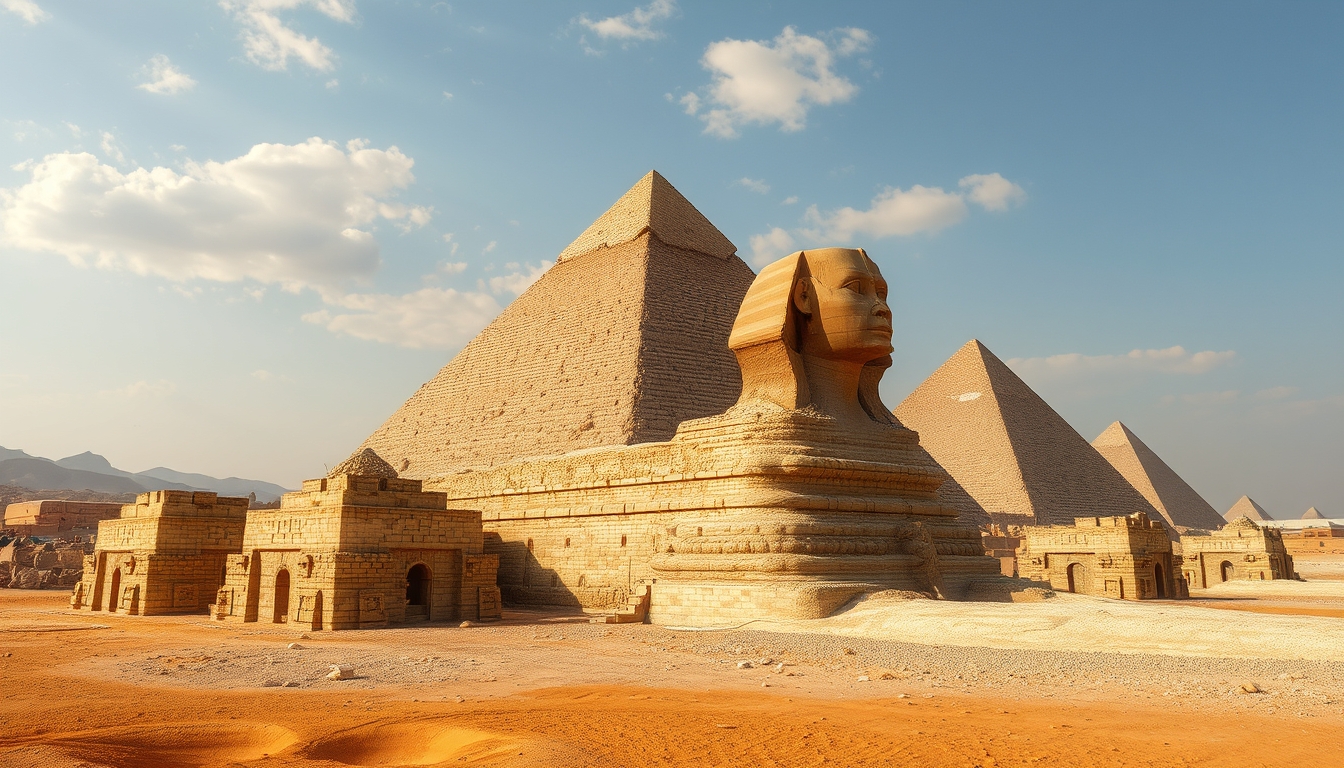
- The Pyramids of Giza and the Sphinx: These iconic structures, the last remaining wonder of the ancient world, stand as a testament to the ingenuity of the ancient Egyptians. Marvel at the sheer scale of the Great Pyramid of Giza, explore the smaller pyramids, and stand in awe before the enigmatic Sphinx. Consider a camel ride for a truly memorable experience.
- Karnak Temple (Luxor): The largest religious structure ever built, Karnak Temple is a sprawling complex of sanctuaries, obelisks, and the famous Hypostyle Hall with its towering columns. Allow ample time to wander through its magnificent ruins and imagine the rituals that once took place here.
- Luxor Temple (Luxor): Located in the heart of modern Luxor, this beautifully preserved temple was once connected to Karnak Temple by a grand avenue of sphinxes. Visit in the evening when the temple is illuminated, creating a magical atmosphere.
- Valley of the Kings (Luxor): Discover the final resting place of pharaohs, including the famous tomb of Tutankhamun. Explore the intricately decorated tombs and descend into the depths of ancient Egyptian history. Note that photography is often restricted inside the tombs, and some tombs may be closed for conservation.
- Abu Simbel: These two massive rock-cut temples built by Ramses II are a truly breathtaking sight. Originally carved into a cliff face, they were moved to higher ground in the 1960s to save them from the rising waters of the Nile. The sheer scale and artistry of these temples are unforgettable.
The Nile River: A Journey Through History
A Nile River cruise offers a unique perspective on Egypt, allowing you to travel through the heartland of ancient civilization and witness life along its fertile banks.
- Luxor to Aswan Cruises: The most popular Nile River cruise route connects Luxor and Aswan, stopping at significant archaeological sites along the way, such as the Temple of Edfu and the Temple of Kom Ombo.
- Types of Cruises: You can choose from various types of cruise ships, ranging from budget-friendly options to luxurious vessels with all-inclusive amenities. Consider the duration and itinerary that best suits your interests and time.
- Aswan Highlights: In Aswan, visit the Philae Temple, a beautiful temple complex moved to Agilkia Island, and the Unfinished Obelisk, which offers insight into ancient Egyptian stone-carving techniques. Consider a visit to a Nubian village for a glimpse into the local culture.
- Felucca Sailing: For a more traditional and tranquil experience, consider a sailing trip on a felucca, a traditional Egyptian sailboat. These smaller boats offer a slower pace and a more intimate connection with the Nile.
Budgeting Your Trip: Costs to Expect in Egypt
Understanding the costs to expect in Egypt is crucial for planning your dream adventure. Here's a general breakdown:
- Flights: International flights to Egypt can vary greatly depending on your origin, time of year, and how far in advance you book. Expect to pay anywhere from \$800 to \$1500 or more for a round-trip ticket from North America or Europe.
- Accommodation: Options range from budget hostels (around \$15-\$30 per night) and guesthouses (\$30-\$60 per night) to mid-range hotels (\$60-\$150 per night) and luxury hotels or Nile cruise cabins (\$150+ per night).
- Food: Eating at local restaurants and trying street food can be very affordable (around \$15-\$30 per day). Tourist-oriented restaurants and those on Nile cruises will generally be more expensive (\$30-\$60+ per day).
- Activities and Entrance Fees: Entrance fees to archaeological sites can add up quickly. Consider purchasing a Luxor Pass or Egypt Pass if you plan on visiting many sites. Budget around \$50-\$100 per day for sightseeing, depending on your itinerary. Nile River cruises often include sightseeing excursions in their package prices.
- Transportation: Domestic flights between major cities like Cairo, Luxor, and Aswan can cost around \$50-\$150 per flight. Train travel is a more budget-friendly option. Taxis and ride-sharing services are common in cities, but agree on a fare beforehand.
A reasonable budget for a 10-day trip to Egypt, including flights, accommodation, sightseeing, and food, could range from \$1500 to \$3000+ per person, depending on your travel style and choices.
Best Time to Visit Egypt: Seasonal Considerations
Choosing the best time to visit Egypt depends on your tolerance for heat and crowds.
- Winter (October to March): This is generally considered the peak tourist season due to the mild and pleasant weather, especially in Upper Egypt (Luxor and Aswan). Expect comfortable temperatures for sightseeing. However, this is also the most crowded and expensive time to visit.
- Summer (June to August): Summers in Egypt are extremely hot, with temperatures often exceeding 100°F (40°C). This is the off-season, so you'll find fewer crowds and lower prices, but sightseeing during the hottest parts of the day can be challenging.
- Shoulder Seasons (April-May and September): These months offer a good balance of pleasant weather and fewer crowds than the peak winter season. Temperatures are generally warm but more manageable than the summer heat.
For most travelers, the best time to visit Egypt is during the winter months (October to March) or the shoulder seasons.
Essential Travel Tips for First-Time Visitors
To make your dream adventure in Egypt smooth and enjoyable, here are some essential travel tips:
- Visa Requirements: Check the visa requirements for your nationality well in advance of your trip. Many nationalities can obtain an e-visa online or a visa on arrival.
- Currency: The official currency is the Egyptian Pound (EGP). It's advisable to exchange some currency upon arrival. Credit cards are accepted in larger hotels and some shops, but it's good to have cash for smaller establishments and markets.
- Language: Arabic is the official language. While English is spoken in tourist areas, learning a few basic Arabic phrases will be appreciated by locals.
- Dress Code: Egypt is a predominantly Muslim country. While tourist areas are generally more relaxed, it's respectful to dress modestly, especially when visiting religious sites. Women should consider covering their shoulders and knees.
- Bargaining: Bargaining is common practice in markets and with taxi drivers. Be prepared to negotiate prices respectfully.
- Health: Consult your doctor about necessary vaccinations and health precautions. Drink bottled water and avoid ice from unknown sources. Be mindful of food hygiene, especially when eating street food.
- Safety: Egypt is generally considered a safe country for tourists. However, it's always wise to be aware of your surroundings and take precautions against petty theft. Be respectful of local customs and avoid political discussions.
Navigating Transportation in Egypt: Getting Around
Getting around Egypt offers various options, depending on your budget and time:
- Domestic Flights: The quickest way to travel between major cities like Cairo, Luxor, and Aswan. Several domestic airlines operate these routes.
- Trains: The Egyptian National Railways offers both overnight sleeper trains and daytime trains connecting major cities. Sleeper trains are a comfortable option for long distances.
- Buses: Long-distance buses are a more budget-friendly option for traveling between cities. Companies like Go Bus and Super Jet offer comfortable and reliable services.
- Taxis and Ride-Sharing Apps: Taxis are readily available in cities, but it's essential to agree on a fare beforehand or use a ride-sharing app like Uber or Careem.
- Felucca: For a unique experience on the Nile, consider a felucca sailing trip, especially between Aswan and Luxor (though this is a slower option).
Local Cuisine: What to Eat and Where to Find It
Exploring Egyptian cuisine is a delicious part of your dream adventure. Here are some must-try dishes:
- Koshari: A popular street food dish made with rice, macaroni, lentils, chickpeas, and a spicy tomato sauce, topped with crispy fried onions.
- Ful Medames: A staple breakfast dish made of mashed fava beans cooked with oil, lemon, and various spices.
- Ta'ameya (Falafel): Deep-fried fava bean patties, often served in pita bread with salad and tahini.
- Shawarma: Thinly sliced meat (usually lamb or chicken) served in pita bread with vegetables and sauces.
- Mahshi: Stuffed vegetables like zucchini, bell peppers, and grape leaves with rice and herbs.
- Umm Ali: A delicious bread pudding-like dessert.
You can find these dishes at local restaurants, street food stalls, and even on Nile cruises. Don't be afraid to try the local flavors for an authentic Egyptian experience!
Conclusion: Planning Your Dream Adventure in Egypt
Egypt, with its captivating history, magnificent monuments, and vibrant culture, promises an unforgettable travel experience. By understanding the must-visit places, being mindful of the costs to expect, and utilizing these essential travel tips, you are well on your way to planning your dream adventure in Egypt. So, pack your bags, embrace the spirit of exploration, and get ready to uncover the magic that awaits in this extraordinary land!


