

South Korea. The name itself conjures images of dynamic cities bathed in neon glow, serene temples nestled in mist-covered mountains, the tantalizing aroma of street food, and a cultural wave that has swept across the globe. It's a country that flawlessly blends ancient traditions with futuristic innovation, offering a travel experience that is both deeply enriching and incredibly exciting.
If you're looking for a destination that promises diverse landscapes, a vibrant history, delicious food around every corner, and genuinely warm encounters, pack your bags. South Korea is calling.
While the global phenomenon of K-Pop, K-Dramas, and the sheer deliciousness of Korean BBQ have put South Korea firmly on the world map, there is a universe of experiences waiting to be discovered beyond the headlines. This isn't just a country to visit; it's a country to *immerse* yourself in. From tracing the footsteps of ancient kings in palatial complexes to hiking challenging peaks that offer panoramic rewards, from navigating bustling night markets to finding tranquility in hidden tea houses – South Korea is a land of captivating contrasts and unforgettable moments. Get ready to peel back the layers of this fascinating peninsula.
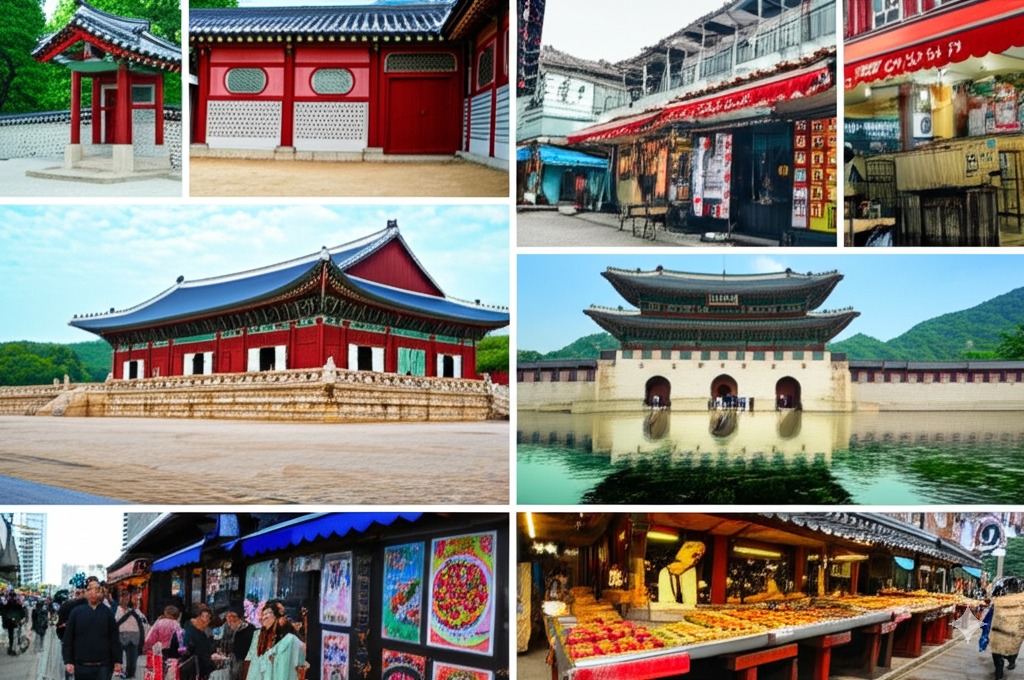
Planning your itinerary can feel overwhelming with so much on offer. Think of these as foundational pillars for building your perfect South Korean journey:
Wander Through Royal History: Spend days lost in the grandeur of Seoul's palaces, imagining life during the Joseon Dynasty. Don't just see them; feel the history etched into the stone walls.
Savor the Culinary Landscape: Eating in South Korea isn't just sustenance; it's a social activity, an art form. Explore everything from sizzling street food to communal BBQ joints and refined temple cuisine.
Ride the Hallyu Wave: Whether you're a die-hard fan or just curious, experiencing the energy of the K-culture scene – be it Browse K-beauty products, visiting entertainment districts, or perhaps even catching a live event – is uniquely Korean.
Seek Serenity in Nature: Escape the urban buzz by heading to the mountains, coastlines, or islands. South Korea's natural beauty is often overlooked but utterly spectacular.
Dive into the Night: Korean cities transform after dark. Experience the electrifying energy of districts known for nightlife, late-night shopping, and unique entertainment like PC bangs and Noraebangs.
Connect with Tradition: Participate in cultural experiences like wearing a Hanbok, attending a traditional performance, or visiting a folk village to understand the heart of Korean heritage.
These iconic locations are often the first stop for visitors, offering a glimpse into the country's diverse appeal:
Gyeongbokgung Palace (Seoul): More than just a building, this is the beating heart of Seoul's royal past. Arrive in time for the changing of the guard ceremony for a colorful spectacle. Wander through its vast courtyards, visit the National Palace Museum or the National Folk Museum within the grounds, and admire the intricate architecture that speaks of centuries of history.
Namsan Tower (Seoul): Standing tall on Namsan Mountain, this iconic tower offers unparalleled 360-degree views of the sprawling capital. Take the cable car up for a scenic ride. The observation decks provide breathtaking panoramas day or night, and the Love Lock area is a popular spot for couples.
Bukchon Hanok Village (Seoul): Tucked away between Gyeongbokgung and Changdeokgung Palaces, this preserved village of traditional Korean houses (Hanok) feels like stepping back in time. Wander the hilly alleys, admire the beautiful tile roofs and unique architecture. Many Hanoks are now guesthouses, tea houses, or cultural centers – offering a chance for deeper immersion. Wear comfortable shoes!
Haeundae Beach (Busan): South Korea's most famous beach is a vibrant hub in summer. Think golden sand, crashing waves, street performers, and a lively atmosphere. It's surrounded by hotels, restaurants, and a bustling boardwalk. Even outside of summer, a walk along the shore with the city skyline behind you is memorable.
Gamcheon Culture Village (Busan): A truly unique sight! This former hillside slum has been transformed into a colorful, artistic village often compared to Santorini or Machu Picchu. Explore the narrow, winding alleys filled with vibrant murals, quirky sculptures, cafes, and tiny shops. It's a delight to get lost here (in a good way!).
Seongsan Ilchulbong Peak (Jeju Island): A UNESCO World Heritage site, this volcanic tuff cone rises dramatically from the sea. The hike to the top is relatively short but steep, rewarding you with a stunning crater view and, if you arrive early, a breathtaking sunrise over the ocean.
These activities allow you to step off the tourist trail and truly connect with the local culture:
Experience a Jjimjilbang: Don't be shy! These large, gender-segregated public bathhouses are a quintessential Korean experience involving hot baths, saunas, and communal relaxation areas where you can wear provided uniforms, snack on boiled eggs and *Sikhye* (sweet rice drink), and even sleep overnight. It's the ultimate way to relax and people-watch.
Feast at a Street Food Stall (Pojangmacha): Found on street corners, especially at night, these tented stalls offer an authentic and delicious dining experience. Pull up a stool and enjoy staples like Tteokbokki (spicy rice cakes), Odeng (fish cakes on skewers), Sundae (blood sausage), and more, often accompanied by a bottle of Soju or Makgeolli. It's casual, lively, and utterly delicious.
Sing Your Heart Out at a Noraebang: Karaoke is a national obsession! Rent a private room with friends, choose from endless song lists (including many in English), and sing like nobody's listening (except your friends!). It's incredibly fun and a great way to experience Korean social culture.
Don a Hanbok and Explore: Renting the beautiful traditional Korean clothing and walking around palaces like Gyeongbokgung or villages like Bukchon offers fantastic photo opportunities and a sense of connection to the past. Many places offer free or discounted entry if you're wearing a Hanbok.
Venture to the DMZ: A powerful and sobering experience. Visiting the Demilitarized Zone that separates North and South Korea offers profound insight into the country's history and ongoing division. Tours often include visiting an infiltration tunnel, an observation post, and exhibitions. It's a must-do for historical context.
Nature lovers will find plenty to explore:
National Parks: Seoraksan National Park, Bukhansan National Park (near Seoul), Jirisan, Hallasan National Park (Jeju) offer incredible hiking and natural beauty throughout the year.
Seoraksan National Park: Located on the northeast coast, Seoraksan is a hiker's paradise known for its dramatic granite peaks, lush forests, waterfalls, and ancient temples. There are trails for all levels, but the challenging climbs offer truly spectacular views, especially during the vibrant Autumn foliage season.
Hallasan National Park (Jeju Island): Home to South Korea's highest mountain, Hallasan, a dormant volcano. Hiking to the summit is a full-day trek but incredibly rewarding. The park's diverse ecosystems and unique volcanic landscapes make it a highlight of any Jeju trip.
Jeju Olle Trails: A network of walking trails that wind along Jeju's coastline and through its villages, forests, and fields. They offer a gentler way to explore the island's beauty at your own pace, each route showcasing different aspects of Jeju's charm.
Bukhansan National Park (Seoul): Surprisingly accessible from Seoul, this national park offers rugged hiking trails leading to granite peaks, fortresses, and temples right on the edge of the city. It's a popular escape for locals and offers fantastic city views from higher points.
Dive into the depth of Korean history, culture, and artistic expression:
National Museum of Korea (Seoul): An absolute must-visit for anyone interested in Korean history and art. This massive museum houses millions of artifacts spanning prehistoric times to the modern era, offering a comprehensive overview of the peninsula's journey. Allow several hours to explore.
The War Memorial of Korea (Seoul): A moving and informative museum dedicated to the Korean War and the country's military history. It provides crucial context for understanding modern Korea and its division. Exhibits are well-presented and thought-provoking.
Leeum, Samsung Museum of Art (Seoul): For a blend of traditional and contemporary art, this museum offers beautiful collections housed in architecturally stunning buildings designed by renowned international architects.
National Folk Museum of Korea (Seoul): Located on the grounds of Gyeongbokgung Palace, this museum offers fascinating insights into the traditional lifestyle, customs, and social history of the Korean people through immersive exhibits.
While often known for mountains, South Korea has a beautiful coastline with diverse beaches:
Haeundae & Gwangalli (Busan): These are the most famous and lively urban beaches, perfect for soaking up the sun, swimming, and enjoying the city-beach atmosphere. Gwangalli is particularly stunning at night with the illumination of the Diamond Bridge.
Jeju Island Beaches: Jeju boasts a variety of beaches, from the unique black sand of Samyang to the colorful sands of Jungmun, and the serene beauty of Hamdeok. Many are great for swimming, sunbathing, or enjoying water sports.
East Coast Beaches (e.g., Sokcho, Gangneung): The East Sea coast offers clearer waters and more dramatic rocky shorelines in places, often backed by mountains. They are popular Summer destinations for locals.
Step back in time and explore the rich heritage of the Korean peninsula:
The Five Grand Palaces of Seoul: Beyond Gyeongbokgung, explore the stunning Secret Garden of Changdeokgung (UNESCO site), the more intimate Changgyeonggung, the historically significant Deoksugung, and the rebuilt Gyeonghuigung. Each has its own unique story and architectural style.
Gyeongju: The "Museum Without Walls": This entire city served as the capital of the ancient Silla Kingdom for nearly 1000 years. It's dotted with UNESCO World Heritage sites, including ancient burial mounds (Daereungwon), the exquisite Bulguksa Temple, and the serene Seokguram Grotto. Rent a bike and explore the history spread across the landscape.
Jongmyo Shrine (Seoul): A UNESCO World Heritage site and the oldest royal Confucian ancestral shrine preserved in the world. It's a place of deep historical and cultural significance, offering a peaceful and reflective atmosphere.
South Korea's efficient transportation makes it easy to explore neighboring attractions:
From Seoul to Suwon Fortress: A magnificent UNESCO-listed fortress surrounding the downtown area of Suwon. You can walk or cycle along the impressive walls, visit pavilions, and enjoy traditional archery. Easily accessible by subway or bus.
From Seoul to Nami Island: Famous for its tree-lined avenues, this small, half-moon-shaped island is incredibly picturesque, especially in Autumn with its golden Ginkgo trees and in Winter when covered in snow. It's a peaceful artistic escape.
From Seoul to the DMZ: As mentioned earlier, this is typically experienced as a half or full-day trip from Seoul, offering a unique geopolitical perspective.
From Busan to Gyeongju: The KTX high-speed train connects Busan to Gyeongju efficiently, allowing for a full day of exploring the historical wonders of the Silla capital.
South Korea experiences four distinct seasons, each offering a different charm:
Spring (March - May): Witness the stunning bloom of cherry blossoms (late March to mid-April) and other Spring flowers. The weather is generally mild and pleasant, perfect for sightseeing and outdoor activities. It's peak tourist season, so book accommodation and flights in advance.
Summer (June - August): Can be hot and humid, with the monsoon season (*Jangma*) typically occurring in July, bringing heavy rain showers. However, it's also beach season, and cities come alive with Summer festivals. Be prepared for heat and humidity.
Autumn (September - November): Another prime season, offering clear skies, comfortable temperatures, and spectacular Fall foliage, particularly in the mountains (mid-October to mid-November). Like Spring, it's popular, so planning ahead is advised.
Winter (December - February): Cold, especially in the north, with significant snowfall in mountainous areas. Ideal for skiing and enjoying Winter festivals like the Taebaek Snow Festival. Cities are beautifully decorated for the holidays. It's less crowded than Spring/Autumn, and indoor activities like museums, Jjimjilbangs, and cafes are perfect ways to stay warm.
Getting to South Korea is straightforward, and navigating the country is incredibly efficient:
International Arrival: Most international travelers arrive at Incheon International Airport (ICN) near Seoul, a major global hub renowned for its efficiency and amenities. Other international airports include Gimhae International Airport (PUS) serving Busan and Jeju International Airport (CJU) primarily for regional flights to the island. From ICN, the AREX express train is the fastest way to reach Seoul city center.
Getting Around South Korea: The country boasts an excellent public transportation system.
KTX (Korea Train Express): High-speed trains connect major cities like Seoul, Busan, Daegu, Gyeongju, and more, making travel fast and comfortable. Booking in advance is recommended, especially during holidays.
Intercity Buses: A comprehensive network of express and intercity buses reaches almost every corner of the country, often a more budget-friendly option than the KTX.
Domestic Flights: Useful for reaching Jeju Island from the mainland.
Getting Around Cities: South Korea's major cities, especially Seoul and Busan, have extensive, clean, and efficient subway systems with English signage. Buses also widely available. Purchasing a reloadable T-Money card is essential for easy payment on subways, buses and even in some taxis and convenience stores. Taxis are also readily available.
Food in South Korea is a cornerstone of its culture, a way to connect, celebrate, and show care. Forget polite, quiet dining; Korean meals are often lively, communal affairs filled with laughter and shared dishes.
The Food: The variety is astounding. Experience the communal joy of grilling marinated meats (Galbi, Bulgogi) or pork belly (Samgyeopsal) right at your table, often wrapped in lettuce or perilla leaves with garlic and ssamjang (spicy paste). Slurp down comforting stews (*Jjigae*) like the spicy Kimchi Jjigae or the hearty Budae Jjigae. Dive into Bibimbap, a colorful bowl of rice, vegetables, meat, and a spicy gochujang sauce, topped with a fried egg, which you mix together before eating. Don't forget the ubiquitous and incredibly varied *Banchan* (side dishes) that accompany almost every meal – from different types of Kimchi to seasoned vegetables and small bites. Street food is an adventure in itself – try Hotteok (sweet pancakes), Tteokbokki (spicy rice cakes), Gimbap (seaweed rice rolls), and various skewers.
The Culture: Korean culture is deeply rooted in respect, particularly for elders, and a strong sense of community and social harmony. Concepts like *Jeong* (a complex term encompassing feelings of affection, attachment, loyalty) are vital in relationships. While rooted in Confucian traditions, South Korea is also incredibly modern and dynamic, constantly evolving, partly driven by the global success of Hallyu. Observing simple etiquette like using two hands when giving or receiving items, particularly from elders, and pouring drinks for others at the table (rather than yourself) will be appreciated.
When the sun sets, South Korea's cities don a different cloak, bursting with energy and entertainment options for all tastes.
Seoul:
Hongdae: The epicenter of youth culture, indie music, and street art. Think buzzing clubs, live performances by buskers, unique shops, and late-night cafes filled with students.
Itaewon: Seoul's most international district, offering a diverse range of bars, pubs, clubs, and restaurants catering to expatriates and tourists. It's known for its vibrant and inclusive atmosphere.
Gangnam: Famous for upscale clubs, chic lounges, and trendy bars. It's where you go for a more glamorous and high-energy clubbing experience.
Beyond the Clubs: Korean nightlife isn't just about dancing. Enjoy casual drinks and snacks at a Pojangmacha, spend hours singing with friends at a Noraebang, or immerse yourself in the competitive world of eSports at a 24/7 PC Bang. The late-night cafe culture is also huge, perfect for chatting with friends over coffee or dessert until the early hours.
South Korea is a country of fascinating duality – where ancient palaces stand in the shadow of skyscrapers, where traditional markets thrive alongside luxury boutiques, and where deep-rooted customs blend seamlessly with global trends. It's a place that will stimulate your senses, challenge your perspectives, and leave you with memories to last a lifetime.
From the historical wonders of Gyeongju to the volcanic landscapes of Jeju, the bustling streets of Seoul, and the deliciousness of its culinary scene, South Korea offers an unparalleled travel adventure. Stop dreaming and start planning. Your journey to the Land of Morning Calm and Modern Marvels begins now!
