

Embark on an unforgettable India food tour that takes you deep into the heart of regional Indian cuisine. This Indian culinary journey explores the vibrant flavors, spices, and traditions that make India one of the world’s top food destinations. From savoring the best food in India—like buttery Punjabi curries and fiery Chettinad dishes—to navigating bustling markets on an Indian street food tour, this guide offers a true culinary journey through India. Perfect for food lovers, cultural explorers, and anyone hungry for authentic experiences.
India's culinary landscape is a vibrant tapestry, rich with diverse flavors, aromas, and traditions that vary dramatically from one region to another. Embarking on a food journey through India is an immersive experience, inviting you to taste centuries of history, culture, and innovation. From the hearty, spice-laden dishes of the North to the delicate, coconut-infused delicacies of the South, every bite tells a unique story. This blog post will guide you through the most delicious regions, highlighting their unique culinary traditions and must-try dishes. Get ready to explore the vibrant world of regional Indian cuisine, discover hidden gems, and perhaps even learn a few secrets of Indian cooking classes for tourists. This is your ultimate Indian food travel guide to the top Indian culinary destinations.
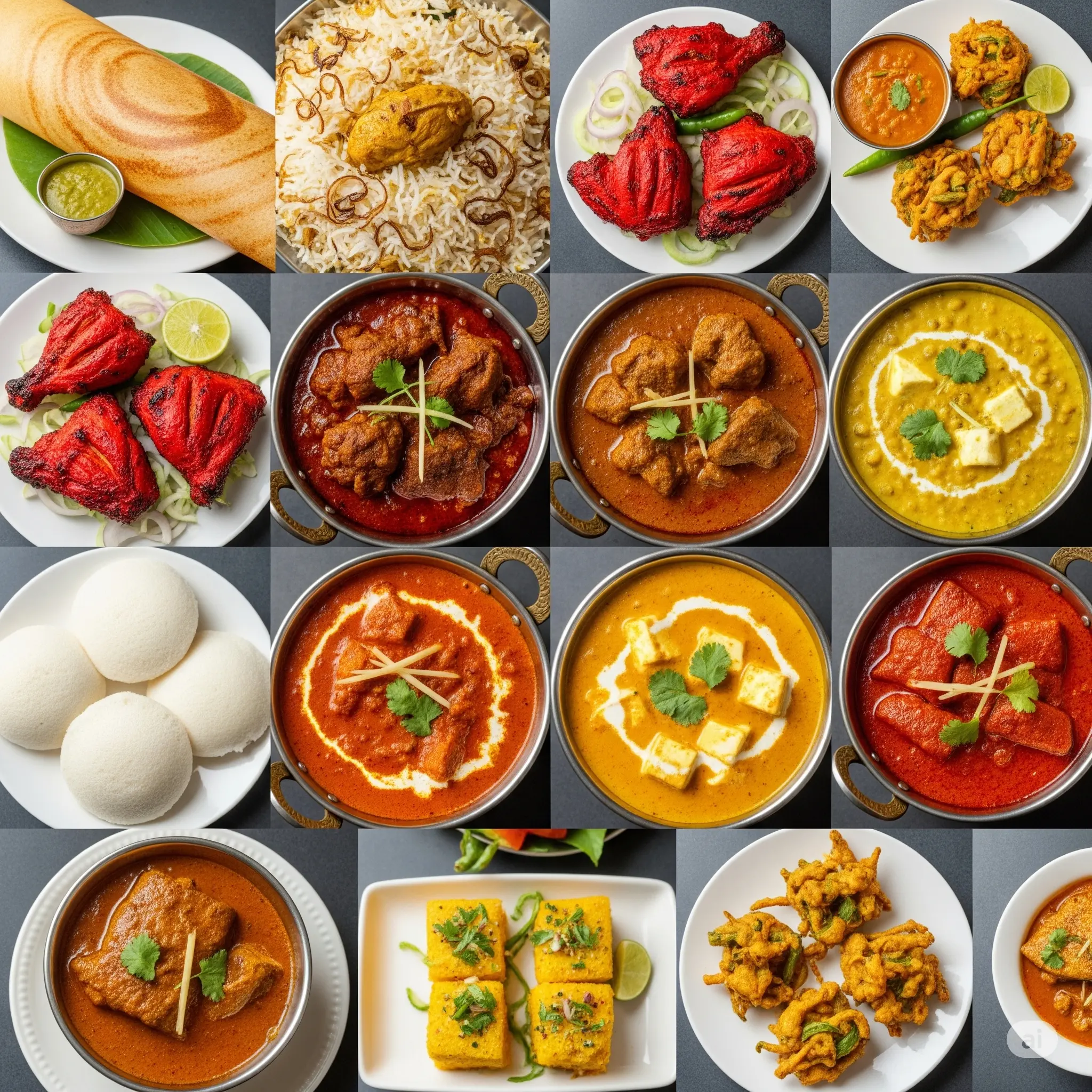
North Indian cuisine is a testament to the grandeur of the Mughal Empire, characterized by its rich, creamy gravies, slow-cooked meats, and aromatic spices. Wheat-based breads like naan and roti are staples, often cooked in traditional clay ovens called tandoors. The generous use of dairy, especially ghee and paneer, adds to the richness.
South Indian cuisine stands distinct, characterized by its reliance on rice as a staple, liberal use of coconut, and a symphony of indigenous spices. The region's extensive coastline ensures an abundance of fresh seafood, while its inland areas boast diverse and often lighter vegetarian delights, frequently featuring a tangy or sour element from tamarind or kokum.
Western Indian cuisine presents a fascinating blend of sweet and savory, with influences from its diverse geography, including bustling coastal cities and arid deserts. The food here is as varied and vibrant as its landscapes, often featuring a subtle sweetness even in savory dishes.
Eastern Indian cuisine, particularly from West Bengal and Odisha, is celebrated for its subtle flavors, an emphasis on fish and rice, and a legendary sweet tooth that has captivated palates worldwide. The cooking often involves minimal oil and a delicate balance of spices to highlight the main ingredients.
No culinary journey through India is complete without delving into the ubiquitous and deeply cherished Chai culture in India. This isn't just a beverage; it's a way of life, a social ritual, and a comforting constant across the subcontinent. From bustling railway stations to quiet village homes, the aroma of simmering chai is ever-present.
India's love affair with sweets is legendary, offering a dazzling array of desserts that vary by region, often reflecting local ingredients and traditions. From milk-based confections to fried delights, there's a sweet for every palate.
Here's a quick overview of some of the most iconic dishes and culinary characteristics from India's diverse regions:
| Region | Key Dishes / Specialties | Flavor Profile / Characteristics |
|---|---|---|
| North India | Butter Chicken, Biryani, Chole Bhature, Galouti Kebab, Amritsari Kulcha | Rich, creamy, aromatic, generous use of dairy and wheat breads. Features curry varieties across India like Korma. |
| South India | Dosa, Idli, Sambar, Kerala Seafood Curry, Hyderabadi Biryani, Chettinad Chicken | Rice-based, coconut-infused, tangy, spicy, fresh seafood. Distinct from North vs South Indian cuisine. |
| West India | Vada Pav, Pav Bhaji, Dhokla, Gujarati Thali, Dal Bati Churma, Goan Fish Curry | Sweet and savory contrasts, vegetarian focus (Gujarat), coastal seafood (Goa), hearty desert cuisine (Rajasthan). |
| East India | Macher Jhol (Fish Curry), Rosogolla, Mishti Doi, Puchka, Chhena Poda | Subtle flavors, emphasis on fish and rice, famous for sweets. |
A food tourism India trip isn't just about eating; it's about immersing yourself in the culture and traditions that shape the cuisine. It's an interactive journey that engages all your senses, offering truly authentic Indian food experiences.
The most famous dish in North India is arguably Butter Chicken, a rich and creamy curry originating from Delhi. It's a staple in Punjabi cuisine and loved globally for its mild, flavorful profile, often served with naan or rice.
Typical South Indian breakfast items include crispy Dosa (a thin, savory crepe made from fermented rice and lentil batter), soft, steamed Idli (rice cakes), and savory fried Vada (doughnuts). These are usually served with Sambar (a lentil-based vegetable stew) and various fresh chutneys like coconut or tomato chutney.
While a significant portion of Indian cuisine is vegetarian, especially in states like Gujarat and Rajasthan due to cultural and religious reasons, non-vegetarian food India is also widely popular. Regions like North India (with its kebabs and curries), East India (known for fish), and coastal South India (with seafood) offer a rich variety of meat and fish dishes. Many restaurants now also cater to the growing demand for vegan Indian food options.
The primary differences lie in staple ingredients, cooking methods, and flavor profiles. North Indian cuisine often uses wheat-based breads (like naan and roti), dairy, and rich, creamy gravies, with influences from Mughlai cooking. South Indian cuisine primarily uses rice, coconut, and a greater variety of spices, often featuring lighter, tangier, and spicier flavors. This distinction makes exploring North vs South Indian cuisine a fascinating part of your Indian food trail itinerary.
For the best street food in India, iconic destinations include Delhi's Chandni Chowk (famous for parathas and chaat), Mumbai's Chowpatty Beach (known for pav bhaji and vada pav), and Kolkata's Park Street (for puchka and kathi rolls). Each city offers unique street food tours for an authentic experience. If you're wondering where to eat in India for local flavors, these are prime spots.
A traditional Indian thali is a platter featuring a diverse selection of different dishes, usually served in small bowls (katoris), arranged around a central portion of rice or bread. It typically includes curry varieties across India, lentils (dal), vegetables (sabzi), yogurt (raita), pickles, and a sweet dish. It offers a complete and balanced meal, showcasing the variety of a region's cuisine, such as a Gujarati Thali or a Rajasthani vegetarian thali.
Some famous Indian desserts include Gulab Jamun (deep-fried milk solids soaked in a fragrant sugar syrup), Jalebi (crispy, spiral-shaped sweets soaked in syrup), Rasgulla (soft, spongy cheese dumplings in syrup, especially popular in East India), and Kulfi (a dense, creamy traditional Indian ice cream). This is a highlight of the Sweet Tooth Trail.
Yes, cooking classes in India are widely available and highly recommended for tourists across various cities like Delhi, Jaipur, Udaipur, and Kochi. They offer a hands-on experience to learn about Indian spices, traditional cooking techniques, and how to prepare authentic Indian recipes directly from local chefs or home cooks. These are fantastic authentic Indian food experiences.
The best way to experience India's culinary scene is through a multi-faceted approach: combine street food tours, visits to local markets, participation in cooking classes, and dining at both traditional eateries and modern restaurants. Focusing on regional specialties in each area you visit will provide the most comprehensive and delicious experience. Exploring local Indian food festivals 2024-2025 can also offer a concentrated taste of diverse cuisines. Consider a full Indian food trail itinerary.
Chai in India refers to spiced milk tea, a ubiquitous and beloved beverage that is deeply ingrained in daily life. It's typically made with strong black tea, milk, sugar, and a blend of aromatic spices like ginger, cardamom, cloves, and cinnamon. It's much more than just a drink; it's a cultural experience, often served hot by chaiwalas (tea vendors) on nearly every street corner, embodying the rich Chai culture in India.
