

Planning an African safari for all ages? Discover the best destinations and tips for a comfortable and exciting safari adventure with children and the elderly.!
The allure of an African safari is timeless. It's a journey promising breathtaking wildlife encounters, stunning landscapes, and moments of connection that bridge generations. Imagining a family, from the youngest grandchild wide-eyed at a passing giraffe to a grandparent comfortably observing a lion pride, sharing this profound experience is a beautiful vision. Making this vision a reality for a multi-generational group involving both children and the elderly requires careful planning. Safety, comfort, accessibility, a flexible pace, and engaging activities become just as important as the wildlife sightings themselves. This guide dives into the best destinations and approaches to ensure your family safari is not only memorable but also comfortable and enjoyable for every single member.
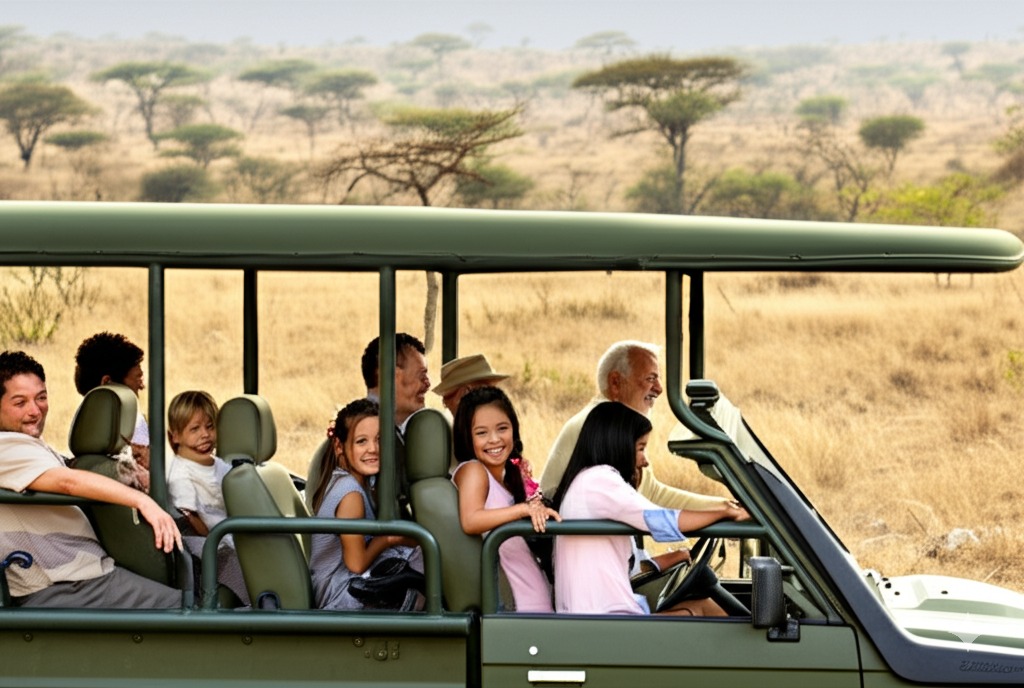
Taking children and the elderly on safari is immensely rewarding, but it requires thoughtful consideration of their specific needs:
1. Health & Safety: Malaria risk varies significantly by region and season. For young immune systems and older adults, choosing low or no-malaria areas can greatly reduce worry. This eliminates the need for prophylactic medication, which can sometimes have side effects, offering greater peace of mind for vulnerable family members. Safety protocols around wildlife (staying in the vehicle, respecting guide instructions) and within secure camps/lodges are also paramount.
2. Mobility & Comfort: Long hours spent in safari vehicles, often on uneven or dusty roads, can be physically demanding. Getting in and out of high-sitting safari vehicles needs to be as easy as possible, perhaps with sturdy steps or assistance from staff. Lodges should ideally minimize extensive walking between rooms and main areas, and offer comfortable seating options both in vehicles and around the lodge. Ensuring rooms are easily accessible, perhaps ground level or near main areas, is crucial for those with limited mobility.
3. Pace & Energy Levels: Both young children and elderly individuals may have shorter periods of peak energy and require more downtime. Rigorous schedules with early starts and late finishes every day can lead to fatigue. A relaxed itinerary with flexibility for mid-day breaks, quiet time at the lodge, or even skipping a game drive without feeling like they are missing out is key to an enjoyable trip for everyone.
4. Engagement & Activities: While seeing animals is the primary draw, diverse activities keep everyone, especially children, engaged during non-game drive times. Kids might get bored during longer sightings or travel between locations. Older adults might also appreciate alternative, less strenuous options than typical bush walks. Activities like cultural visits, photographic sessions, talks by guides, or simply enjoying the lodge's amenities offer valuable variety.
5. Logistics & Accessibility: The journey to the safari destination and transfers between lodges should be as smooth as possible. Minimizing very long, bumpy road transfers or using small aircraft transfers needs careful consideration for comfort. Lodges should clearly communicate their accessibility features, from pathways and stairs to bathroom grab bars or shower seats, if needed.
Look for destinations and lodges that excel in these areas:
Low to No Malaria Risk: Highly desirable for reducing health concerns, especially for young children and older immune systems. Malaria-free zones offer complete peace of mind in this regard.
Accessible and Comfortable Lodging: Camps and lodges with easy layouts, perhaps ground-level rooms or dedicated accessible suites, sturdy pathways, handrails where needed, and helpful staff are essential. Comfort is crucial after a day of exploring.
Varied and Gentle Activities: Offering engaging options beyond standard game drives, suitable for different energy levels, keeps everyone interested and provides alternatives for strenuous activities. Think boat trips, gentle nature walks, cultural talks, or specific children's bush programs.
Appropriate Safari Style (Private Reserve vs. National Park, Fly-in vs. Drive-in): Different styles offer distinct advantages for this demographic. Private reserves often provide more flexibility and exclusive experiences, while comfortable road transfers or short flights can impact overall journey ease.
Experienced, Patient, and Family-Friendly Guides: Guides who are not only knowledgeable about wildlife but also skilled in interacting with children (making learning fun and interactive) and being attentive to older adults' comfort and pace needs is invaluable.
Flexible & Private Arrangements: The ability to tailor game drive timings (e.g., slightly later start or earlier return), return to the lodge during a drive if needed, or having a private vehicle allows for maximum control over the daily pace and activities to suit the group's energy levels on any given day.
Beyond the thrill of spotting the Big Five, the African safari offers a range of experiences that can be tailored to suit different energy levels and interests, ensuring everyone feels part of the adventure:
Flexible Game Drives: The cornerstone of any safari. Instead of rigid schedules, look for lodges that allow for adaptation. Morning drives might start a little later, or afternoon drives can be shortened if fatigue sets in. Private vehicles, if budget allows, offer the ultimate flexibility. Being in a less crowded private reserve can also mean less time waiting for other vehicles, making the drives more efficient and comfortable.
Gentle Bush Walks/Nature Activities: While strenuous walking safaris are out, many lodges offer short, easy guided walks around the camp perimeter focusing on smaller details often missed from a vehicle – insects, fascinating plants used traditionally, animal tracks, and birds. These walks are typically slow-paced and on relatively flat ground, providing a different perspective accessible to those with moderate mobility or as a gentle stretch between drives.
Boat Safaris & River Cruises: A fantastic, comfortable, and often accessible way to see wildlife, especially in destinations with rivers or lakes. Animals congregating at the water's edge, diverse birdlife, and aquatic animals like hippos and crocodiles are highlights. The gentle movement of the boat is relaxing and provides a stable platform for viewing and photography, ideal for all ages.
Cultural Visits: Many lodges offer opportunities to visit nearby local communities or cultural centers. This is usually a less physically demanding activity providing rich human interaction and insight into local ways of life. It's a chance to learn, ask questions, and gain a broader understanding of the region beyond just the wildlife.
Kids' Bush Programs: Look for lodges with dedicated programs that engage children directly. These can include learning basic tracking (finding footprints around camp), identifying animal dung, lessons on bush survival skills (like finding water or making fire, in a safe environment), guided bug safaris (fascination for little ones!), crafting activities using natural materials, or age-appropriate conservation talks. These programs keep kids entertained and educated during periods when adults might prefer downtime.
Stargazing: Africa's clear night skies, far from city lights, are incredible. Many lodges offer guided stargazing sessions after dinner, identifying constellations and sharing traditional stories about the stars. This is a peaceful and accessible evening activity, often enjoyed from the lodge deck or a nearby open area.
Lodge Relaxation: The lodge itself should be a destination for relaxation. Enjoying the lodge's amenities – swimming pools perfect for cooling off and tiring out kids, comfortable viewing decks overlooking waterholes for passive game viewing, quiet reading areas, or spa services – provides essential downtime and opportunities to observe nature comfortably between activities.
Choosing the right time of year can significantly impact comfort, game viewing, and health considerations for your group:
Dry Season (Generally May/June to October):
Pros: Wildlife is easier to spot as vegetation is thinner, and animals congregate around limited water sources, increasing activity around lodges and waterholes. Lower chance of rain means less interruption to planned activities. Often less humid, which is more comfortable for many. Crucially, malaria risk is typically lower in seasonal malaria areas during this time, reducing mosquito activity.
Cons: Can be very hot and dusty in some regions towards the end of the dry season (e.g., October). Landscapes are less green, which might be perceived as less scenic by some. Can be peak tourist season in popular areas, meaning more visitors and potentially higher prices.
Wet Season (Generally November to April):
Pros: Landscapes transform into lush, vibrant green, offering beautiful photographic opportunities. This is often the birthing season, meaning lots of young animals. Migratory birds are present. Can be lower prices and fewer tourists (except during holiday periods like Christmas/New Year). Thunderstorms can be dramatic and brief.
Cons: Rain can occur, potentially disrupting activities or making roads challenging. Vegetation is thicker, making wildlife harder to spot. Malaria risk is higher in seasonal areas during this time due to increased mosquito breeding in standing water, requiring more vigilant precautions. Can be very hot and humid, which some travelers find uncomfortable.
Recommendation: For multi-generational safaris prioritizing comfort, ease of game viewing, and lower malaria risk in seasonal areas, the dry season (winter) is often recommended, particularly the cooler months within this period (e.g., June-August in Southern Africa). Shoulder seasons (Apr/May and Oct/Nov) can offer a balance of good rates, fewer crowds, and decent game viewing, but require checking specific weather and malaria patterns for the chosen area. Always consult a medical professional regarding malaria precautions regardless of the season or location.
Based on the factors crucial for multi-generational travel – safety, comfort, accessibility, flexibility, and engaging experiences – certain types of safari areas are particularly well-suited. While East Africa (Kenya, Tanzania) offers iconic migratory events and landscapes, the logistics and malaria risk can be higher. For groups with children and elderly members, areas prioritizing infrastructure, comfort, and health considerations often provide a more relaxed and suitable experience. South Africa, in particular, stands out for its offerings in this regard.
Malaria-Free Gems: Peace of Mind & Big Five Thrills (South Africa)
For many families and elderly travelers, the peace of mind that comes from a malaria-free safari is invaluable, eliminating the need for antimalarial drugs. South Africa offers prime destinations where you can experience the Big Five (lion, leopard, elephant, rhino, buffalo) and abundant wildlife without this concern.
Regions like the Eastern Cape (home to Addo Elephant National Park area and surrounding private reserves like Shamwari Private Game Reserve or Kwandwe Private Game Reserve) provide diverse landscapes and luxurious, fully-guided, exclusive Big Five experiences. These lodges are well-versed in hosting families and offer comfortable access and varied activities. The Madikwe Game Reserve in the North West is another large, prominent malaria-free area known for excellent wildlife viewing, including the endangered wild dog, with a range of family-friendly and comfortable lodges.
Premier Big Five in Low-Risk Areas: Exclusive Experiences (South Africa)
For those prioritizing the classic, intense private safari experience with arguably the highest Big Five viewing potential, the private reserves adjacent to Kruger National Park offer an exceptional option. These areas are considered low malaria risk (it's still essential to consult a doctor for recommended precautions, especially during peak season). The lodges here offer a truly indulgent and flexible safari.
Areas like the Sabi Sands Game Reserve (famous for close-up leopard sightings) and the Timbavati Private Nature Reserve offer high Big Five densities in an exclusive setting. The private reserve advantage here is key: vehicles can go off-road for sightings, vehicle numbers are limited, guides are expert, and the lodges provide high levels of comfort, flexibility, and tailored activities. Access is often via short flights or manageable road transfers. The experience is highly customizable, making it manageable and profoundly rewarding for all ages.
Here is a sample itinerary focusing on a comfortable, malaria-free experience in South Africa, ideal for multi-generational groups, allowing for a relaxed pace and varied activities:
Trip Length: 7 Days / 6 Nights
Focus: Relaxed Pace, Big Five, Malaria-Free, Varied Activities, Comfort, Family Bonding
Locations: Eastern Cape Private Game Reserve (e.g., Shamwari, Kwandwe, Amakhala area)
Day 1: Arrival in the Eastern Cape - Welcome to the Bush!
Arrive at Gqeberha (Port Elizabeth) Airport (PLZ), met by your friendly lodge representative. Enjoy a comfortable road transfer (typically 1-1.5 hrs on good roads) directly to your chosen malaria-free private game reserve. Upon arrival at the lodge, receive a warm welcome, check into your family suite or adjacent rooms designed for comfort and accessibility. There's time to settle in, perhaps take a refreshing dip in the pool or simply relax on your private deck before enjoying a delicious lunch.
Late afternoon: Embark on your first exciting, flexible game drive with your dedicated guide. Get your binoculars ready!
Evening: Return to the lodge as the sun sets. Enjoy some time together before a wonderful dinner, often featuring local cuisine.
Day 2-5: Safari Activities & Relaxation - Finding Your Rhythm
These days are dedicated to finding your family's ideal safari rhythm. Typically, there are morning and afternoon game drives offered daily, often with a mid-morning break. Discuss with your guide each day which drives everyone wants to do; options for shorter durations or returning to the lodge early are always available. The mid-day period is for leisure time at the lodge. Children can participate in supervised kids' programs designed to teach them about the bush in fun ways (e.g., bush crafts, tracking basics around camp, identifying insects, enjoying dedicated pool time). Older adults can relax on the deck, enjoy a spa treatment if available, catch up on reading in a quiet area, or simply observe the abundant birdlife or animals visiting the lodge waterhole.
Possible Activities: Depending on the lodge and group interest – a short, gentle guided walk around the lodge perimeter focusing on smaller details, a visit to a local conservation or community project (check suitability), or guided stargazing sessions after dinner.
Meals: All meals are typically included, offering delicious cuisine. Flexibility for dietary needs and sometimes earlier, child-friendly mealtimes can be arranged.
Day 6: Final Safari Moments - Cherishing the Memories
Enjoy a final early morning game drive. It's often a great time to spot predators before the heat of the day. Return for a leisurely breakfast, sharing stories of your sightings.
Spend the rest of the morning enjoying the lodge facilities, perhaps a final guided nature walk or just soaking in the tranquility of the bush.
Afternoon: Enjoy your last afternoon game drive. Your guide will help you try and find any animals you still hope to see.
Evening: A special farewell dinner, perhaps a memorable bush dinner experience under the stars if available and suitable for the group's mobility.
Day 7: Departure - Carrying Africa in Your Hearts
Enjoy a final breakfast at the lodge, taking in the last views and sounds of the bush. There might be time for one last short activity depending on your flight schedule. Transfer back to Gqeberha (Port Elizabeth) Airport (PLZ) for your onward flight, carrying the incredible memories of your family's African adventure.
Even within the recommended regions, lodge choice matters greatly for a multi-generational trip. When discussing options with a tour operator or the lodge directly, inquire specifically about:
True Accessibility: Go beyond a simple "yes, we are accessible". Ask about the number of stairs to rooms or main areas, the surface of pathways (paved, gravel, sand), availability of handrails, grab bars, or shower seats in bathrooms. Ask about the specific type of safari vehicle used and the ease of getting in and out (e.g., availability of sturdy steps or assistance). Ground-level rooms or dedicated accessible suites should be confirmed if needed.
Kids' Specific Offerings: Look beyond just having a pool and perhaps a playroom. Ask about supervised activities and their schedule. Do they have dedicated guides who are great with kids? What specific activities are included in their 'mini rangers' or children's programs (e.g., guided bush walks tailored for kids, bug safaris, tracking basics, making plaster casts of animal tracks, environmental talks)? Are childminders available (often at extra cost)?
Schedule Flexibility: Confirm their willingness to tailor the standard schedule. Can you arrange slightly later morning starts or earlier returns from game drives? Is a private vehicle an option (often at extra cost, but provides maximum flexibility)? Are meal times adjustable for children or those who prefer to eat earlier?
Guide Matching: Can they pair you with a guide who is known for being particularly patient, skilled in explaining things simply to children, attentive to the comfort of older guests, and perhaps has some basic first-aid knowledge?
In-Camp Activities: For times when some family members might skip a drive, what else is available at the lodge? (e.g., guided bird watching near camp, talks by guides on local culture or wildlife, cooking demonstrations, access to a photographic hide, a library, spa services).
Medical Preparedness: While private reserves often have arrangements, it's prudent to know the proximity and transfer time to the nearest medical facility or doctor in case of any health concerns.
Careful planning and communication are key to a stress-free multi-generational safari. Remember all the previous tips about packing, hydration, and managing expectations, and add these specifics:
Plan Together: Involve all adult family members and older children in the planning process. Discuss expectations, activity preferences, and any potential concerns openly beforehand.
Prioritize Comfort: This is not the trip to rush or endure discomfort. Choose comfort over squeezing in too many locations or activities. Fewer, longer stays at suitable lodges are often better than bouncing between multiple camps.
Pack Smart: Layers are crucial as temperatures change throughout the day. Pack sun protection (hats, high SPF sunscreen, sunglasses), insect repellent (even in malaria-free areas for general comfort), comfortable, neutral-colored clothing, sturdy closed-toe shoes, binoculars for everyone (even a small, lightweight pair for kids), power adapters, and any necessary medications, including any motion sickness remedies if needed for drives or transfers.
Embrace Downtime: Build relaxation into the itinerary. Don't feel pressured to do every single activity offered. The pool, a good book, a quiet moment watching the animals from the lodge deck can be just as rewarding as a game drive, especially for managing fatigue.
Stay Hydrated: Especially in warm climates, ensuring everyone, particularly children and the elderly, drinks water consistently throughout the day is essential for preventing fatigue and dehydration.
Communicate, Communicate, Communicate: Keep your tour operator and the lodge informed of any specific needs, mobility issues, allergies, or medical conditions well in advance of your arrival. Don't hesitate to communicate with your guide during drives if someone needs a break or is feeling uncomfortable.
Manage Expectations: Explain to everyone, particularly children, that viewing specific wildlife is never guaranteed. Foster an appreciation for the entire bush experience – the birds, the plants, the landscapes, the smaller creatures, and the unexpected moments.
Involve Everyone: Let the children participate in selecting some of their dedicated bush program activities. Allow older adults to set their own pace and decide which game drives or activities they feel up to each day without pressure.
Consider Travel Insurance: Ensure everyone in the group is covered by comprehensive travel insurance that includes medical emergencies and potential evacuation, especially for older travelers.
Traveling from India to the prime safari destinations in South Africa typically involves flying to one of South Africa's major international airports, followed by domestic connections or road transfers.
While there are generally no direct flights from major Indian cities like Delhi, Mumbai, Bengaluru, or Chennai to South Africa, several airlines offer convenient routes with a single layover. Common layover points include major hubs in the Middle East such as Dubai, Doha, or Abu Dhabi, or sometimes African hubs like Addis Ababa or Nairobi.
Your international arrival point in South Africa will likely be O.R. Tambo International Airport (JNB) in Johannesburg or Cape Town International Airport (CPT). From JNB, you can connect via domestic flights to smaller airports serving the safari regions, such as:
Total travel time from India, including the layover and connecting flights or transfers within South Africa, can range from 15 hours to 20+ hours depending on the route and waiting times.
Indian citizens require a visa to enter South Africa. It is essential to check the latest visa requirements and application procedures with the South African High Commission or Consulate in India well in advance of your planned travel dates.
Embarking on an African safari with your multi-generational family is a profound journey of shared discovery and connection. While the planning requires attention to detail, focusing on areas renowned for comfort, accessibility, and malaria-free or low-risk environments – particularly in South Africa – opens up incredible opportunities. You can find stunning wildlife, high levels of comfort and service, flexible pacing, and engaging, tailored experiences that ensure every member of your cherished multi-generational group, from the curious child to the wise grandparent, returns home with a heart full of irreplaceable memories and a shared love for the magic of Africa. It's time to make that shared dream a reality by choosing the safari that welcomes every age.
