

Discover the best time to visit Israel! Learn about ideal weather for exploring historical sites, religious landmarks, and beautiful beaches.
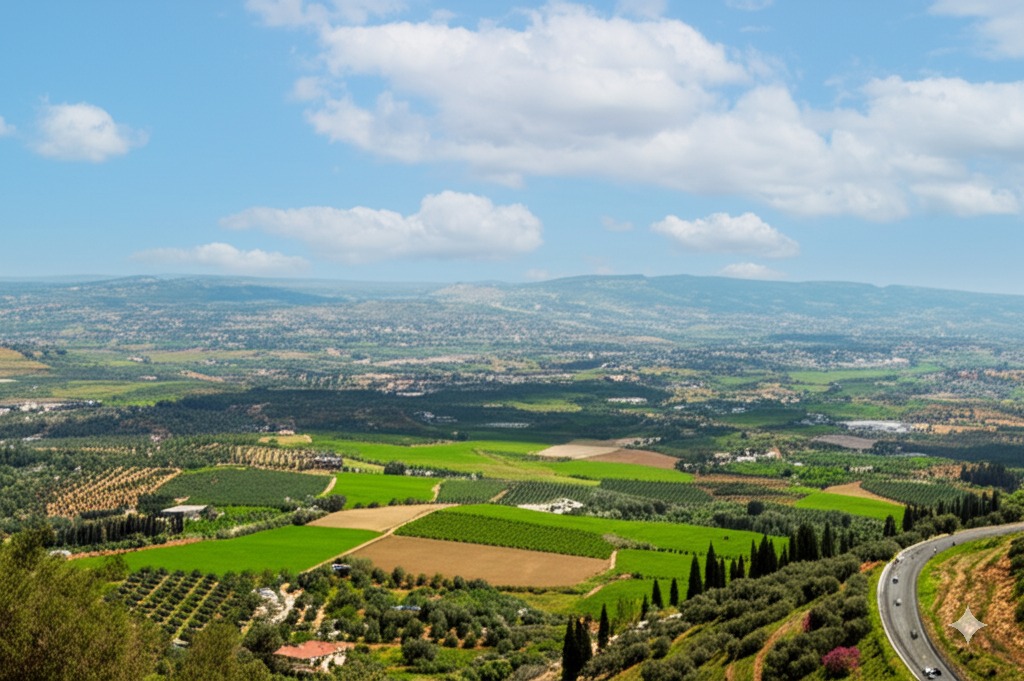
Let's embark on a journey to Israel, a land brimming with ancient history, profound religious significance, vibrant modern cities, and stunning natural beauty. Situated at the crossroads of Europe, Asia, and Africa, Israel holds immense cultural and historical importance for Jews, Christians, and Muslims alike. Imagine walking through millennia-old streets, experiencing diverse traditions, and witnessing breathtaking landscapes ranging from the Mediterranean coast to the stark beauty of the desert. Israel is a country that captivates the mind, body, and soul.
Geographically, Israel is a land of remarkable contrasts within a relatively small area. Picture a beautiful coastline stretching along the Mediterranean Sea, offering golden beaches and bustling port cities. To the east, the dramatic landscapes of the Judean Desert unfold, leading to the lowest point on Earth, the Dead Sea. The fertile hills of Galilee in the north are dotted with historical and religious sites, while the Golan Heights offer stunning views and agricultural richness. This diverse geography creates a variety of climates and ecosystems, making Israel a fascinating place to explore. Strategically located in the Middle East, Israel shares borders with Lebanon and Syria to the north, Jordan to the east, and Egypt to the southwest, making it a pivotal region in global affairs.
The culture of Israel is a vibrant tapestry woven from the threads of its diverse population and long history. As the historical and spiritual homeland for Jews, Judaism profoundly influences Israeli culture, shaping its calendar with religious holidays and traditions. Christianity also holds deep roots in the Holy Land, with numerous significant sites attracting pilgrims from around the world. The presence of a significant Muslim population adds another layer to Israel's cultural richness, with Islamic traditions and holy places playing an important role. Beyond religion, Israeli culture is expressed through a thriving arts scene, including music, dance, theater, and literature. The cuisine is a delightful fusion of Middle Eastern and Mediterranean flavors, with popular dishes like falafel, hummus, shakshuka, and sabich enjoyed nationwide. The Hebrew language, revived as a modern tongue, binds the nation together, alongside Arabic, which is also an official language.
Now, let's pinpoint the optimal times to plan your visit to the Holy Land. Generally, the shoulder seasons of spring (April to May) and autumn (September to October) are considered the best times to visit Israel.
As the winter rains subside, Israel bursts into bloom with wildflowers, and the weather becomes pleasantly warm and sunny across most of the country. This period is ideal for exploring historical sites, hiking in nature reserves, and enjoying the beaches before the intense summer heat arrives. Keep in mind that Passover (Pesach), a major Jewish holiday, typically falls in April and can affect opening hours and availability. Christian holidays like Easter may also influence travel during this time.
Following the hot summer months, autumn brings cooler temperatures and sunny skies, making it another excellent time for sightseeing and outdoor activities. The landscapes take on a golden hue, and the sea remains warm enough for swimming. The major Jewish holidays of Rosh Hashanah (Jewish New Year), Yom Kippur (Day of Atonement), and Sukkot (Feast of Tabernacles) usually occur in September or October, which can be a fascinating time to experience Israeli culture but may also lead to closures and higher prices.
This is just a glimpse of the many incredible destinations and attractions that await you in Israel. Whether you are drawn by its historical significance, religious importance, natural beauty, or modern culture, Israel offers an unforgettable travel experience.
