

Discover the best time to visit Saudi Arabia! Learn about the cooler months ideal for exploring historical sites, desert landscapes, and vibrant cities.

The history of Saudi Arabia is a rich and intriguing one that spans thousands of years, years before the advent of Islam. The Arabian Peninsula was home to various ancient civilizations, including the Dilmun civilization in the east, the Thamud and Nabataean kingdoms in the northwest (with their breathtaking rock-carved city of Hegra, today Al-Ula), and the Sabaean and Himyarite kingdoms in the south. They thrived on older trade routes than the Silk Road, selling frankincense, myrrh, and other highly valued commodities.
The 7th century CE was a turning point with the emergence of Islam in Mecca. The Prophet Muhammad's teachings united the Arabian tribes and led to the quick expansion of the Islamic caliphate, with Medina being the early center of the Islamic world. For centuries, the Hijaz region, which included Mecca and Medina, was immensely religiously significant, and pilgrims from all over the world thronged there.
The next centuries witnessed the rise and fall of the various local regimes. In the 18th century, Muhammad ibn Abd al-Wahhab's alliance with Muhammad ibn Saud established the first Saudi state. The state spread its influence across the Arabian Peninsula but subsequently faced opposition from the Ottoman Empire and internally.
The modern Kingdom of Saudi Arabia was established in 1932 by King Abdulaziz ibn Saud, who united the various regions of the Arabian Peninsula after decades of war. The discovery of vast oil reserves in the mid-20th century transformed the kingdom, propelling it onto the world stage and fueling rapid modernization. Today, Saudi Arabia is undergoing enormous social and economic change, opening to the world but not at the expense of its deep religious and cultural heritage. Saudi Arabia's historic past is one of ancient commerce, the establishment of one of the great world religions, and a dramatic evolution into the modern nation that exists today.
Saudi Arabia's Islamic heritage is intrinsically bound up with its cultural diversity, and it forms the basis of its values, laws, and social customs. The Arabic language is a uniting force and a bearer of its rich poetic and literary heritage. Hospitality is an important part of Saudi culture, and welcoming guests and being generous are greatly valued. Traditional dress, such as the thawb for men and the abaya for women, is both religious and culturally mandated.
Bedouin custom, its nomadic history, poetry, and oral storytelling, is a living part of Saudi heritage, defining values like honor, courage, and resilience. Arts and crafts such as intricate carpet weaving, ceramics, and jewelry-making convey skill and artistic ability that have been passed down the generations. While there exist traditional music and dance cultures, there are emerging cultural forms, particularly in cities, since a growing interest has emerged in modern art, movies, and music.
Family is the central unit of Saudi society, and respect for the elders and near relatives is paramount. Religious festivals like Eid al-Fitr and Eid al-Adha are observed with great fervor, bringing families and communities together. Although adhering to its Islamic principles, Saudi Arabia is slowly opening up its cultural life, with more freedom to entertain, enjoy arts, and cultural exchange, demonstrating a vibrant interplay between tradition and contemporary culture.
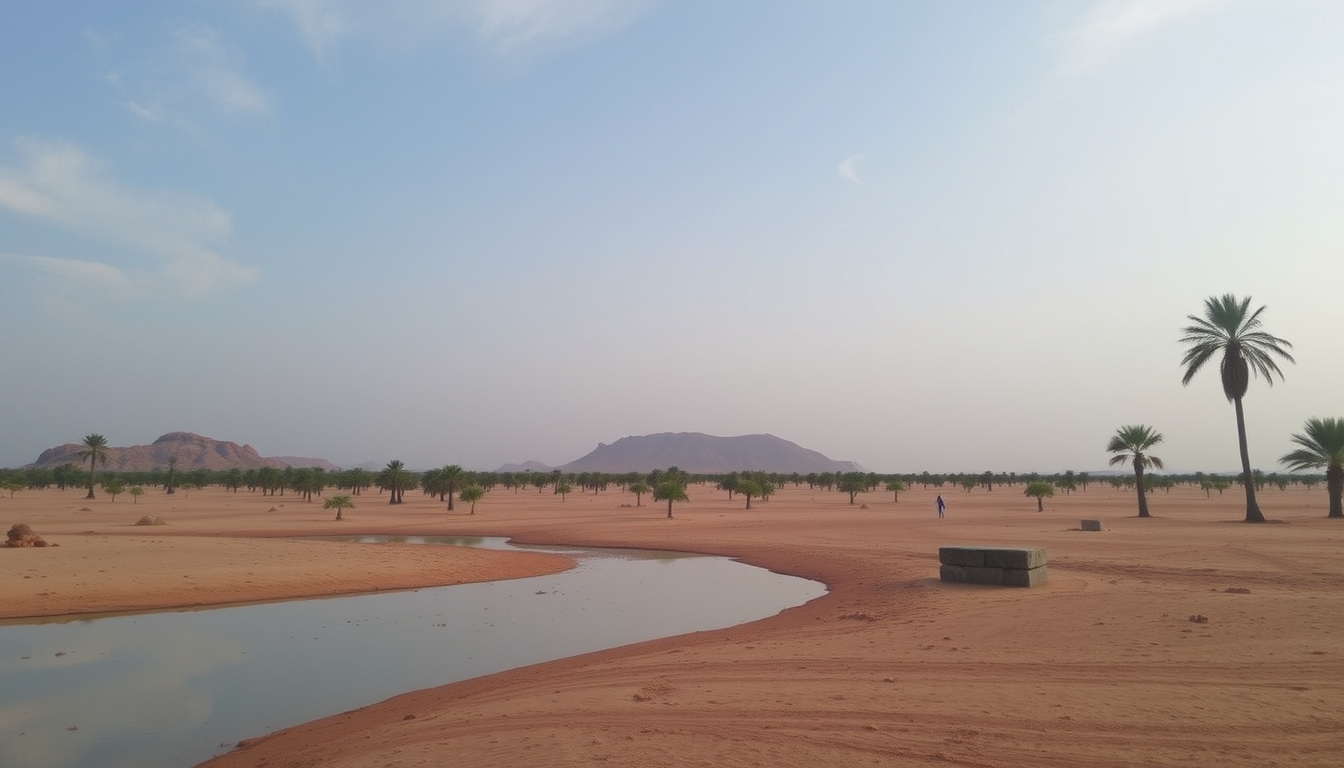
Saudi Arabia experiences a largely desert climate with hot summers and mild winters, with considerable variations across regions. The best time to travel to Saudi Arabia primarily depends on your destination and heat tolerance.
Winter (November to February): Provides the most comfortable temperatures, making it perfect for outdoor excursions and sightseeing. Day temperatures are pleasant, with cooler evenings.
Spring (March to May): Warming up with nice days first but getting more and more hot towards May.
Summer (June to September): Extremely hot and dry, with temperatures usually more than 45°C (113°F). Outdoors is to be avoided in the daytime.
Autumn (October): Weather cools gradually, making October a better month to visit toward the end.
Winter (November to February): Warm and pleasant, perfect for walking around the city and relaxing by the Red Sea.
Spring (March to May): It gets hot and humid.
Summer (June to September): Extremely hot and humid, but sea breezes provide some respite. This is also diving season when water visibility is great.
Autumn (October): Temperatures start to ease, becoming pleasant.
Winter (November to March): Provides the most pleasant temperatures for visiting the historical monuments and desert terrain. Nighttime may be cool.
Shoulder Seasons (April & October): Can be nice but with rising heat in April and dropping temperatures in October.
Summer (May to September): Extremely hot and dry, which makes outdoor visitation difficult.
Summer (June-September): Provides the mildest temperatures in the nation, with its popularity as an escape from summer heat no wonder. See periodic rain showers.
Spring & Autumn: Agreeable temperatures for activities outdoors.
Winter: Is apt to be chilly, particularly in the mountain areas, and occasionally frosty.

| Destination | Popular Attractions/Content |
|---|---|
| Riyadh | Masmak Fortress, National Museum of Saudi Arabia, Kingdom Centre Tower, Al-Diriyah (UNESCO World Heritage Site), King Abdullah Financial District, Riyadh Season events, Deerah Souq |
| Jeddah | Historic Al-Balad (UNESCO World Heritage Site), Jeddah Corniche, King Fahd's Fountain, Red Sea diving and snorkeling spots, Floating Mosque, Al-Shallal Theme Park, Souq Al-Alawi |
| Mecca | Kaaba, Masjid al-Haram (Great Mosque of Mecca), Hira Cave, Safa and Marwa, Mina, Arafat (primarily for religious pilgrimage) |
| Medina | Al-Masjid an-Nabawi (Prophet's Mosque), Quba Mosque, Mount Uhud, Al-Baqi Cemetery (primarily for religious pilgrimage) |
| Al-Ula | Hegra (Mada'in Saleh) - UNESCO World Heritage Site with Nabataean tombs, Elephant Rock, Jabal Ithlib, Maraya Concert Hall, AlUla Old Town, Wadi Al-Qura |
| Asir Region (Abha) | Jabal Sawda (highest peak), Al-Soudah National Park, Rijal Almaa heritage village, Al-Muftaha Art Village, Abha Lake, Cable Car to Green Mountain |
| Eastern Province (Dammam, Al Khobar) | King Fahd Causeway (to Bahrain), Corniche, Half Moon Bay, Heritage Village Dammam, Al-Khobar Water Tower, Ithra (King Abdulaziz Center for World Culture) |
| The Empty Quarter (Rub' al Khali) | Vast desert landscapes, sand dunes, stargazing opportunities, desert safaris (requires specialized tours) |
| Red Sea Coast (various locations) | World-class diving and snorkeling, pristine beaches, coral reefs, marine life (destinations like Umluj, Yanbu, and areas near Jeddah and The Red Sea Project) |
| Taif | Al-Hada Mountain, Al-Shafa Mountain, Cable Car, Shubra Palace Museum, Taif Rose Farms (seasonal), Wadi Hanifa |
Perform Umrah or Hajj in Mecca (requires specific visas and timing).
Visit the Prophet's Mosque in Medina.
Explore the ancient Nabataean tombs at Hegra (Al-Ula).
Discover the historical Al-Balad district in Jeddah.
Visit the Masmak Fortress in Riyadh.
Go diving or snorkeling in the pristine waters of the Red Sea.
Embark on a desert safari in the Empty Quarter.
Hike in the Al-Soudah National Park in the Asir region.
Explore the unique rock formations at Elephant Rock in Al-Ula.
Enjoy the scenic beauty of Wadi Hanifa near Riyadh.
Visit the Kingdom Centre Tower for panoramic views of Riyadh.
Explore the National Museum of Saudi Arabia in Riyadh.
Stroll along the Jeddah Corniche.
Experience the cultural exhibitions at Ithra in the Eastern Province.
Wander through the traditional souqs (markets) in various cities.
Attend cultural events and festivals, especially during Riyadh Season or Jeddah Season.
Saudi Arabia, with its historic depth, rich cultural heritage, and varied geography, presents a distinctive and growingly accessible tourist experience. By taking into account the climatic differences of the region and adjusting your visit according to your preference – whether viewing ancient historical ruins, scuba diving in the Red Sea, or witnessing the contemporary dynamism of its urban centers – you can uncover the secret gems and hospitality of this intriguing kingdom.
