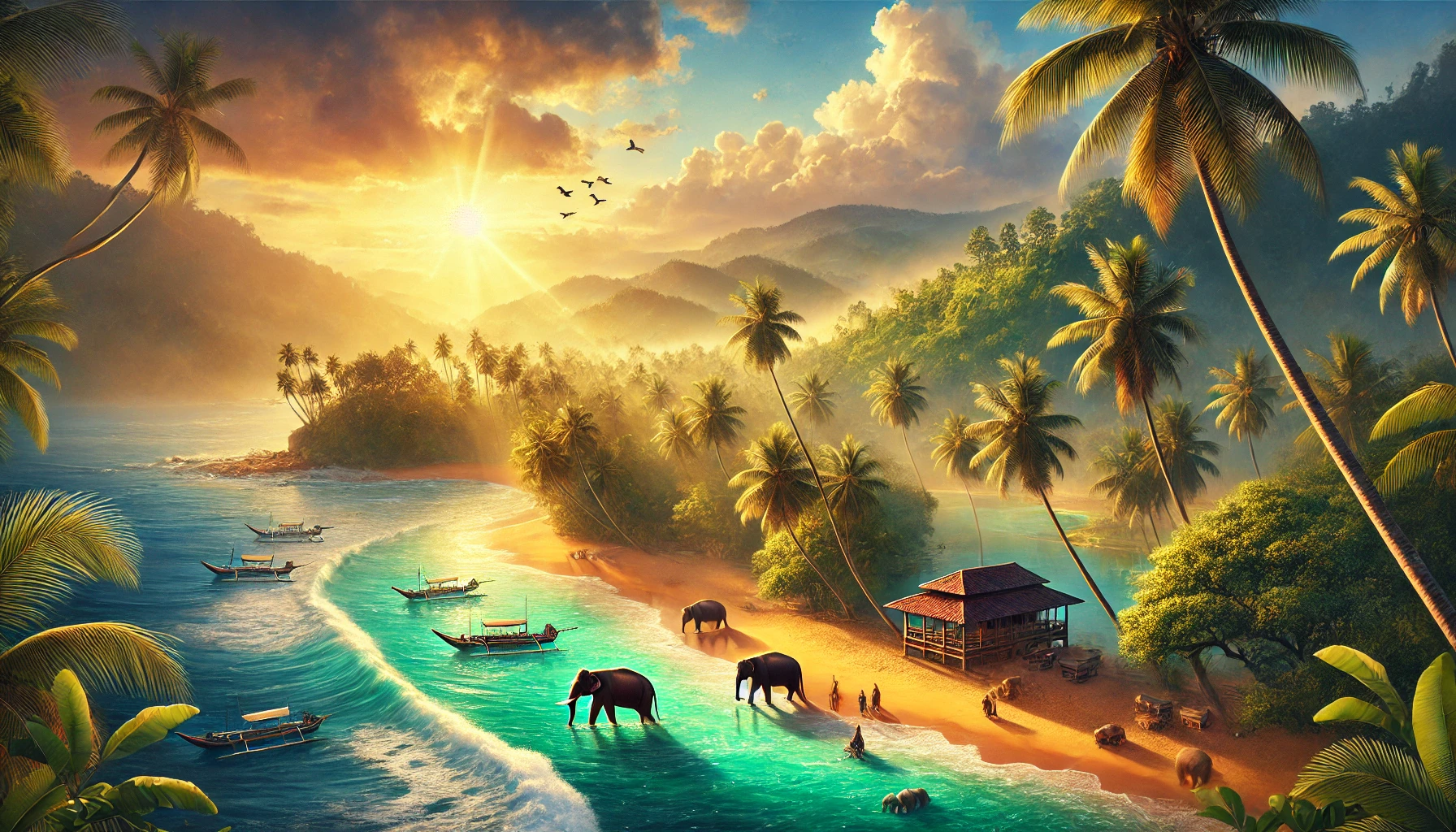
Discover the best time to visit Sri Lanka for perfect weather, wildlife viewing, and budget travel. Our seasonal guide helps you plan your ideal trip.
Best Time to Visit Sri Lanka: A Local's Month-by-Month Guide (2025)
Sri Lanka's tropical climate keeps temperatures steady at 30°C (86°F) year-round, so you can plan your visit any time. But picking the right season will make your trip even better.
The south and west coast beaches are perfect from December to March. The east coast shines from May to September. These distinct weather patterns create unique travel seasons across the island. Our years of experience with monsoon cycles have shown us nature's wonders. The elephant gathering at Minneriya National Park between July and September stands out as one of Asia's most spectacular wildlife displays.
Let me guide you through each month's climate patterns, busy seasons, and regional weather changes to help you plan your perfect Sri Lankan adventure in 2025.
Understanding Sri Lanka's Climate Zones
The best time to visit Sri Lanka depends on understanding the island's unique climate patterns. This small island of just 65,610 square kilometers has weather zones that create different travel experiences throughout the year.
The two monsoon systems explained
Two main monsoon systems dominate Sri Lanka's weather and split the island into opposite seasons. This unique feature makes the island a great destination all year round.
The southwest monsoon (Yala) hits the southwestern region from May to September. It brings heavy rainfall to western and southern coastal areas and the central highlands. The rainfall can reach up to 118 inches in mid-elevation areas during this time. India's Thar Desert and the Tibetan Plateau draw these moisture-laden winds.
The northeast monsoon (Maha) takes over from October to March. It brings moderate winds and moisture from the Bay of Bengal to the northern and eastern parts of the island. The northeast slopes of the hill country and eastern slopes of the Knuckles Range see the heaviest rainfall. The north, east coast, and southeast regions get half their annual rain between October and early January.
The island also sees two inter-monsoon periods. Brief afternoon showers and evening thunderstorms can pop up anywhere during March-April (first inter-monsoon) and October-November (second inter-monsoon).
These monsoon patterns create three main rainfall zones:
Intermediate Zone (eastern and central regions): Gets 1,750-2,500mm annual rainfall
Dry Zone (south and northwest): Gets less than 1,750mm annual rainfall
How elevation affects temperature
Temperature in Sri Lanka changes more with height than location. This creates predictable patterns that help travelers plan their trips.
The coastal lowlands (up to 150m elevation) have mean annual temperatures between 26.5°C and 28.5°C. The temperature drops faster as you go up. Nuwara Eliya in the central highlands (1,800m above sea level) has a mean annual temperature of just 15.9°C.
You can feel tropical beach warmth and cool mountain air on the same day. The highlands get coldest in January with nighttime temperatures dropping to 5°C (41°F). May brings the most heat just before the summer monsoon rains arrive.
Why Sri Lanka has year-round tourism
Tourism operators call it the "year-round season" because of how the dual monsoons and different heights work together. Sunshine brightens one part of the island while rain falls on another.
The southwest coast has perfect beach weather from December to March while the northeast gets wet. The east coast becomes ideal from May to September as rain falls in the southwest.
Both monsoons affect the hill country but it stays cool year-round. It's a great escape from coastal heat any time you visit. The Cultural Triangle in the "dry zone" stays mostly dry except during November and December.
Rain doesn't last all day even during monsoon seasons. Short, intense downpours drop several inches in minutes before the sun comes out again. You can still enjoy outdoor activities in "wet" seasons if you plan flexibly.
Your Sri Lanka trip should focus on which regions you want to see rather than picking the "perfect" time of year.
Peak Season (December to March): South & West Coast Paradise
December through March is the golden period to visit Sri Lanka's southwest coast. Visitors can enjoy pristine beaches and cultural treasures under clear blue skies. The peak season shows the island at its sunniest, and tourists come from everywhere to experience it.
December: Festival season begins
The northeast monsoon ends and December brings Sri Lanka's high tourist season with the temperatures around 30°C. The south and west coasts welcome the dry season.
Christmas lights up the island as Sri Lanka's Christian community celebrates with joy. Book lovers flock to the striking Galle Literary Festival. This UNESCO World Heritage city becomes alive with panel discussions, poetry slams, and evening jazz shows.
Hotel prices rise substantially as international tourists fill the island. The Colombo Shopping Festival becomes a buyer's dream and draws about 80,000 visitors looking for big discounts.
January: Perfect beach weather but peak crowds
January stands as the absolute pinnacle of Sri Lanka's tourist season. Sun bathes the southern and western coastlines with barely any rain. The mercury stays steady at 30°C, making beach days perfect.
The weather shines brightest this month, especially when you have the Cultural Triangle and Kandy in mind. Yala and Uda Walawe National Parks stay hot and dry, which brings wildlife closer to the remaining water holes.
The magnificent Duruthu Perahera marks Buddha's first visit to Sri Lanka in late January. Kelaniya's streets come alive with colorful parades, dancers, fireworks, and decorated elephants. Hindu families celebrate Thai Pongal at the same time. They pray to Surya and Indra for good harvests.
January packs in the year's biggest crowds and highest prices. You'll need to book well ahead, particularly for popular beach spots.
February: Ideal conditions for wildlife safaris
February is a great time to see wildlife in Sri Lanka's national parks. Animals gather near the few water sources in the dry weather, which makes them easier to spot.
The dry spell from February to June is the best time to see leopards in Yala National Park. This park has one of the world's densest leopard populations. At Uda Walawe National Park, elephants often walk right past safari vehicles.
The country celebrates Independence Day on February 4th with military parades, flag ceremonies, fireworks, and cultural shows. The south coast's beaches, like Unawatuna and Mirissa, remain perfect for swimming.
March: Last chance before the southwest monsoon
March is the final month to enjoy great beach weather on the southwest coast. Many call it Sri Lanka's best month for weather across the island. Days stay mostly dry with temperatures in the mid-30s°C.
The Cultural Triangle sees little rain and temperatures reach the mid-30s°C. This makes it perfect to explore ancient cities like Sigiriya, Polonnaruwa, and Anuradhapura. Religious travelers can still climb Adam's Peak at night and watch spectacular sunrises.
Beach conditions remain excellent, though Negombo's beaches get crowded. Talalla or Mirissa offer quieter alternatives. Mirissa's whale watching peaks now. Visitors often see blue whales, spinner dolphins, and other sea creatures.
The peak season ends as March closes. April brings the first signs of the southwest monsoon, which changes the island's travel patterns completely.
Shoulder Season (April to May & September to November)
Smart travelers can enjoy unique cultural experiences and save money during shoulder seasons. Sri Lanka's transitional months give visitors a chance to explore the island without peak season crowds.
April: New Year celebrations across the island
The Sinhala and Tamil New Year (Aluth Avurudda) brings the island alive on April 13-14. Families take part in traditional rituals that bring prosperity and new beginnings. They start by cleaning their homes and painting walls. Women then light the hearth in a specific direction to boil milk in new earthen pots. The milk bubbles over as a symbol of abundance.
Streets and villages buzz with traditional games that create a festive mood:
Rabana (traditional drum) performances
Placing the eye on the elephant (Aliyata asa thabeema)
Pillow fights (Kotta Pora)
Tug-of-war competitions (Kamba Adeema)
The western and southern coasts see the start of rainy season in April, but swimming remains an option.
May: East coast begins to shine
The east coast becomes the place to be as rain picks up in the southwest. Beaches at Trincomalee, Pasikudah, and Arugam Bay have calm seas and little rainfall throughout May. Pasikudah's wide, sweeping bay stands out as the east coast's best beach.
Resort prices hit rock bottom in May, with hotels offering their best deals. Red flags warn against swimming at western and southern beaches due to dangerous conditions.
September: The elephant gathering at Minneriya
One of Asia's greatest wildlife spectacles unfolds in September. Around 300 elephants gather at Minneriya National Park's ancient tank, creating Asia's biggest gathering of these magnificent creatures. These gentle giants follow Sri Lanka's Elephant Corridor searching for water during dry spells.
Evening safaris from 3:00-6:00 PM let visitors watch elephants drink, bathe, and eat fresh grass. The experience pairs well with visits to Sigiriya Rock Fortress and Dambulla Cave Temple nearby.
October-November: Unpredictable but affordable
Tourist numbers start climbing in October as peak season approaches. Rain falls heavily across the island, yet visitors enjoy plenty of sunshine with fewer crowds than peak months.
November temperatures stay pleasant between 77°F and 86°F (25°C to 30°C). Hotel prices climb as more tourists arrive but remain cheaper than December to March rates. Travelers looking for good weather and smaller crowds will find November a great time to visit Sri Lanka.
East Coast Season (June to August): Summer Holiday Haven
The east coast of Sri Lanka becomes a summer paradise from June to August while the rest of the island faces southwest monsoon rains. This unique weather pattern gives travelers a chance to enjoy sunshine during the northern hemisphere's vacation season.
June: Surf's up in Arugam Bay
Arugam Bay, a quiet fishing village, comes alive as a buzzing surf destination in June. The surf season starts in May and runs through October. Consistent swells from the Indian Ocean create perfect conditions. The famous right-hand sand bottom point breaks light up with ideal offshore morning conditions.
The month also brings Poson celebrations that mark Buddhism's arrival in Sri Lanka. The laid-back vibe makes it a great time to visit before peak season hits. Hotel prices stay relatively low throughout the island.
Baby Point welcomes beginners with gentle, peeling waves that are perfect to learn on. Even seasoned surfers find challenging spots at the main Arugam Bay point. The reliable waves have made this spot one of Asia's best surfing destinations.
July-August: Escape the crowds in Trincomalee
European tourists, especially from Spain, Germany, and France, start arriving in bigger numbers by July. The east coast really shows its best side these months. Temperatures hover in the mid-30s°C and humidity drops to about 60%.
Trincomalee blends history and natural beauty seamlessly. Its pristine beaches at Nilaveli and Uppuveli remain untouched and stunning. Crystal clear waters create perfect conditions to swim, snorkel, and dive.
Tourism in Sri Lanka peaks in August as visitors arrive from around the world. Whale watching season kicks off in Trincomalee, letting visitors spot majestic blue and sperm whales.
Wildlife lovers can witness the spectacular elephant gathering at Minneriya National Park during July and August. Hundreds of elephants gather around the ancient tank.
These months let visitors enjoy world-class beaches without the packed crowds typical of the south coast's peak season. The east coast creates its own high season that showcases Sri Lanka's amazing year-round tropical getaway potential.
Year-Round Destinations in Sri Lanka
Some Sri Lankan destinations stay appealing whatever the seasonal monsoons, giving travelers flexibility to plan their trips.
Cultural Triangle: When to visit ancient cities
The Cultural Triangle—where UNESCO treasures like Sigiriya, Anuradhapura, and Dambulla stand—stays dry most of the year except between October and December. The ideal period to learn about these archeological wonders runs from January through March, with warm sunny days and little rainfall. The temperatures soar into the mid-30s°C during April and May, which makes sightseeing tough. All the same, you'll benefit from early morning visits throughout the year. This helps you dodge both intense heat and crowds while getting softer light to take photos.
Tea Country: Best months for hiking and views
Sri Lanka's misty Tea Country sits about 6,500 feet above sea level and thus stays much cooler than coastal areas. The best hiking weather lasts from December through May with dry and clear conditions. January emerges as the optimal month to discover tea plantations. Unlike the lowlands, yearly temperatures here average around 15.9°C, and can drop to 5°C on January nights. Tea production peaks during March-May and September-November—perfect times to see the process firsthand. The Pekoe Trail launched not long ago with 22 stages that wind through remote villages and tea estates. This trail gives hikers an unmatched experience away from common tourist spots.
Colombo: The capital's weather patterns
The capital stays hot and tropical year-round but has clear dry and wet seasons. Colombo sees its clearest weather from December through March. February stands out as the least cloudy month with clear or partly clear skies 43% of the time. This month also gets the least rain at just 1.7 inches. Two major wet spells hit the capital—April to June and September to mid-December. October typically sees rain for 19.5 days. Temperatures stay fairly steady throughout the year, moving between 74°F and 90°F. Travelers who want the best city exploring weather should visit between mid-December and February. These months offer the coolest and driest conditions in the capital.
Conclusion
Our knowledge of Sri Lanka's weather patterns has definitely made trip planning easier. The south and west coasts shine from December through March, and the east coast becomes a summer paradise from June through August.
You can find perfect weather somewhere on the island whatever time you visit, thanks to its distinct climate zones. Peak season brings crowds, but the shoulder months of April-May and September-November are great times to visit with fewer tourists around.
Smart planning around monsoon patterns will boost your Sri Lanka experience by a lot. To name just one example, see how you could start in the Cultural Triangle, head up to tea country, and end at beaches that match your travel dates. This strategy will give a perfect timing for each region.
Note that monsoon season rain usually comes in quick bursts instead of lasting all day. Lower prices and smaller crowds during off-peak times can offset any weather hiccups.
My years of experiencing seasons here have taught me there's no single "best" time to visit Sri Lanka. Your ideal timing depends on where you want to go and what you want to do. Plan carefully around these regional patterns and you'll find why Sri Lanka stands out as a year-round destination.
FAQs
The best time for beach holidays in Sri Lanka depends on which coast you're visiting. The south and west coasts are ideal from December to March, while the east coast is perfect from May to September.
The peak tourist season in Sri Lanka is from December to March. This period offers the best weather for the popular south and west coasts, but also brings larger crowds and higher prices.
May and September-November are excellent times to visit Sri Lanka on a budget. These shoulder season months offer lower prices and fewer crowds, while still providing good weather in many parts of the island.
February to June is ideal for wildlife safaris in Sri Lanka. The dry weather concentrates animals around water sources, making sightings more likely. The famous elephant gathering at Minneriya National Park occurs from July to September.
Yes, Sri Lanka can be visited year-round due to its diverse climate zones. When one part of the island experiences rainfall, another enjoys sunshine. The Cultural Triangle and Tea Country, for instance, offer good conditions throughout most of the year.