

Discover the Magic of Fushimi Inari Taisha: Kyoto’s Iconic Shinto Shrine
Nestled at the base of Mount Inari, the Fushimi Inari Taisha—also known as the Fushimi Inari Shrine—is one of the most revered Kyoto Shinto shrines and a must-see Kyoto cultural landmark. Famous for its thousand torii gates, or Senbon Torii, this sacred site offers a mesmerizing walk through vermilion gates in Kyoto, leading visitors on a spiritual hike in Kyoto up the mountain trail.
Whether you're exploring the history of Fushimi Inari Kyoto, admiring the fox statues at Japanese shrines, or learning about the Inari Ōkami deity and kitsune symbolism, this Inari fox shrine reveals layers of tradition and mysticism. From Shinto rituals in Kyoto to understanding Japanese shrine etiquette, this Japanese pilgrimage trail is more than a photo opportunity—it’s a journey into Japan’s spiritual soul.
Planning your visit? Check out our Fushimi Inari Taisha travel guide for tips on how to visit Fushimi Inari Taisha, the best time to visit Fushimi Inari, and things to do at Fushimi Inari Shrine beyond the gates.
Step into a world where ancient traditions, vibrant artistry, and serene nature intertwine to create an unforgettable spiritual pilgrimage in Kyoto.
Fushimi Inari Taisha, nestled majestically in the southern hills of Kyoto, transcends its popular image as a mere Instagram backdrop. While its mesmerizing thousands of vermilion torii gates are undeniably a visual spectacle, the shrine offers a profound journey into Japan's spiritual heart. It's an invitation to explore a sacred landscape where ancient Shinto traditions, vibrant artistry, and serene nature intertwine, creating an experience far richer than a quick photo opportunity. This "hypnotic, colourful, mesmerising, and truly unique" guide delves beyond the surface, inviting you to discover the historical layers, mystical folklore, and tranquil moments that define this iconic Kyoto landmark. If you're looking to plan a comprehensive trip, consider our Japan Discovery Tour (7N8D). You might even recognize its famous pathways from the film *Memoirs of a Geisha*. For more detailed insights into Kyoto's wonders, check out our Ultimate First-Timer's Guide to Kyoto.
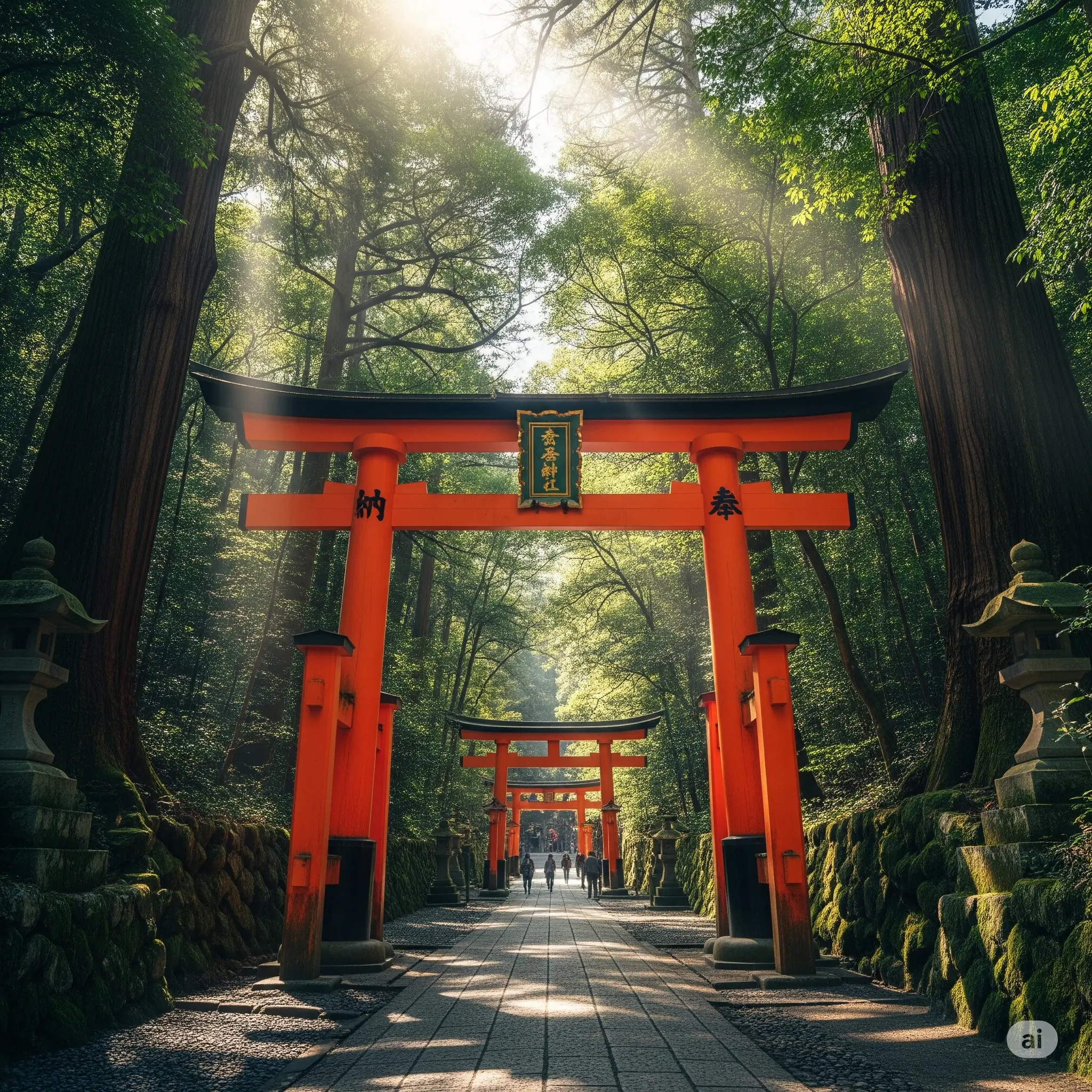
The story of Fushimi Inari Taisha is deeply etched into the fabric of Japanese history, with its origins stretching back over 1300 years to 711 AD. It holds the esteemed position as the head shrine for Inari Ōkami, the revered Shinto deity originally associated with rice, sake, and agriculture. Over centuries, Inari's benevolent influence expanded to encompass general prosperity, success in business, and good fortune, transforming the shrine into a vital pilgrimage site for merchants, entrepreneurs, and individuals seeking blessings across Japan. Notably, Fushimi Inari Taisha is considered the origin of over 40,000 Inari shrines found throughout Japan, underscoring its profound historical and spiritual significance. The shrine grounds famously feature five kami (gods), each associated with different aspects of good fortune, including good business, bountiful harvests, and even healthy silkworms.
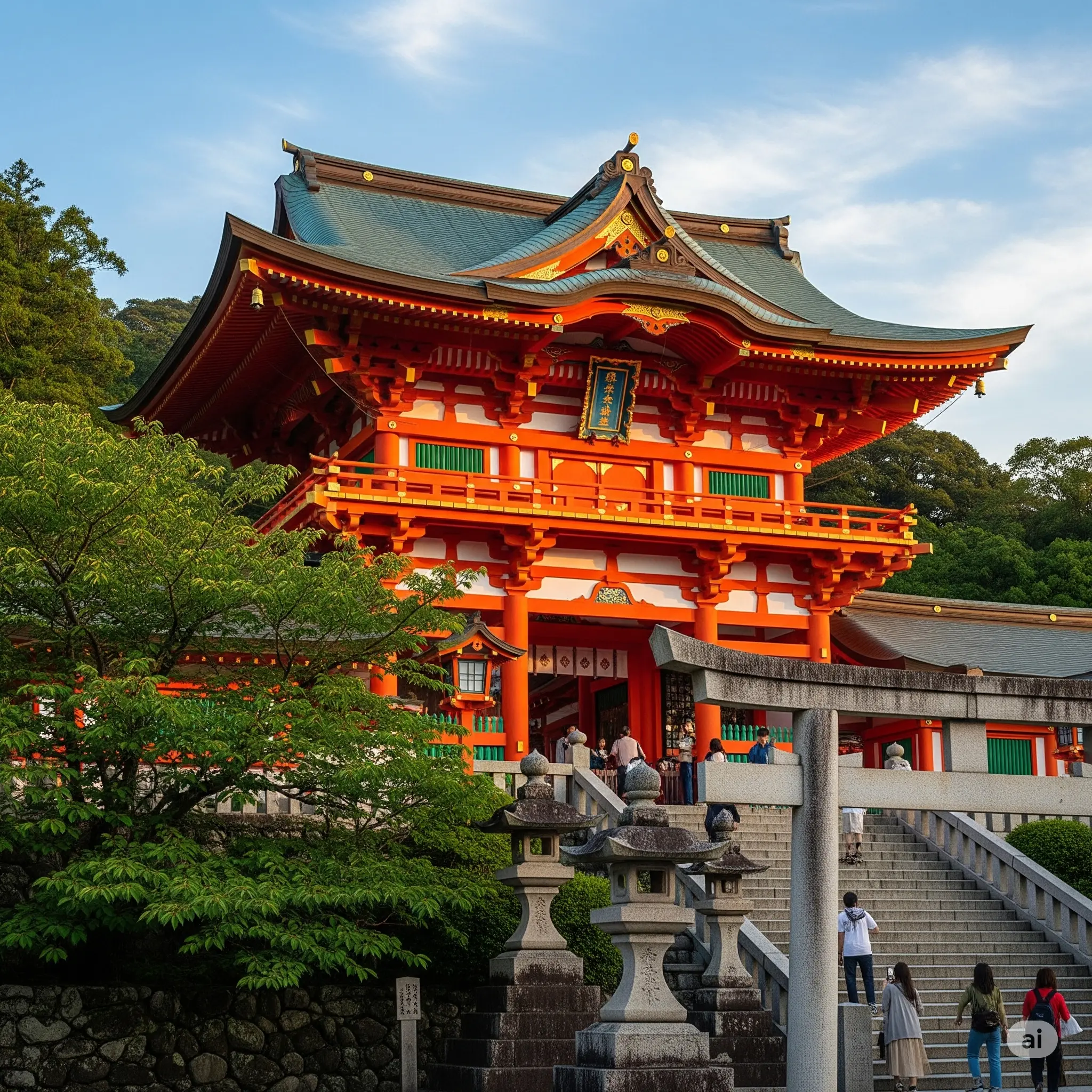
The shrine's architecture is a testament to its ancient roots and evolving significance. From the imposing Romon Gate, grandly donated by the influential warlord Toyotomi Hideyoshi in 1589, to the intricately designed main hall, every structure narrates a tale of unwavering devotion and rich cultural heritage. Here, visitors can witness traditional Shinto rituals, experience moments of quiet contemplation, and truly feel the profound spiritual energy that has drawn countless people to this sacred mountain for more than a millennium. The shrine is also particularly enchanting during O-Bon (around mid-August) when it is beautifully lit with traditional paper lanterns.
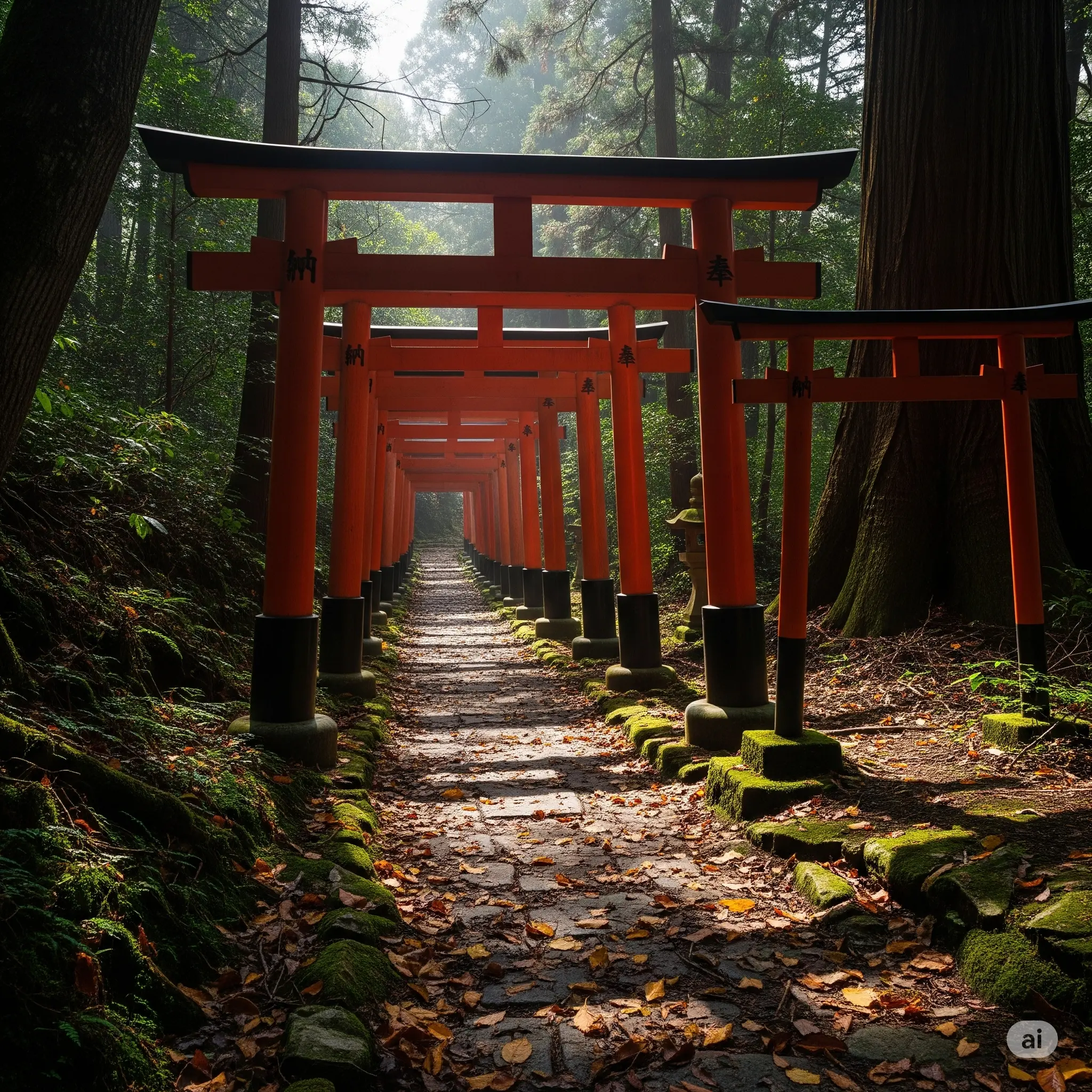
The most iconic and visually arresting feature of Fushimi Inari Taisha is undoubtedly the Senbon Torii, literally meaning "thousands of torii gates." These breathtaking vibrant vermilion gates form winding, often tunnel-like paths that lead pilgrims up the sacred slopes of Mount Inari, creating an awe-inspiring spectacle that has become synonymous with Kyoto. The trail begins with two dense, parallel rows of these gates, intensifying the immersive experience.
Each of these magnificent gates is a testament to faith and gratitude, a donation made by an individual or a Japanese business. The name of the donor and the date of their generous offering are meticulously inscribed in black characters on the back of each gate. This cherished practice, believed to have originated during the Edo period (1603-1868), serves as a poignant way to express thanks for achieved prosperity or to make a heartfelt wish for future success and good fortune. The cost to donate a gate can range significantly, from approximately 400,000 yen to over one million yen, depending on its size.
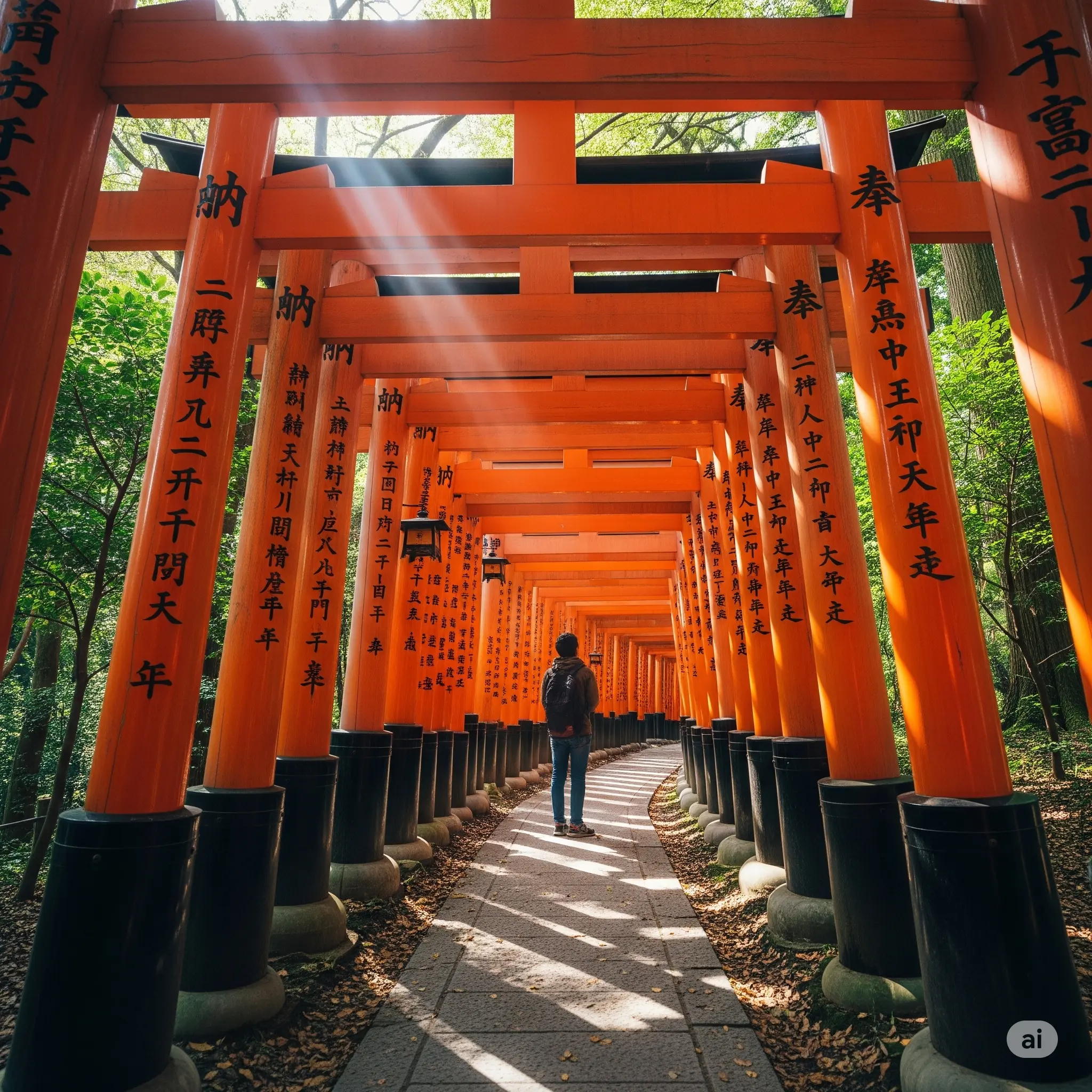
Walking through these continuous arches of brilliant vermilion color is a truly unique and immersive experience. The vermilion hue itself holds deep spiritual significance in Shinto, believed to possess protective qualities, ward off evil spirits, and symbolize the bountifulness and vitality of Inari Ōkami. The sheer density and seemingly endless stretch of these gates, spiraling upwards for kilometers, beautifully symbolize the continuous stream of devotion and fervent prayers offered to the deity. It is a profound, physical manifestation of unwavering faith, guiding every step deeper into the sacred mountain's embrace.
Throughout your exploration of Fushimi Inari Taisha, you'll inevitably encounter a multitude of statues depicting kitsune, the revered foxes. These are far more than mere decorative elements; in the profound beliefs of Shinto, foxes are considered the divine messengers of Inari Ōkami. Each statue often holds a symbolic item firmly in its mouth or beneath a raised front paw, such as a precious scroll representing wisdom, a mystical jewel symbolizing spiritual power, or most commonly, a vital granary key – a direct representation of rice granaries and the deity's crucial role in ensuring agricultural abundance and economic prosperity. Many of these fox statues are also adorned with red votive bibs, which are believed to offer additional protection and blessings.
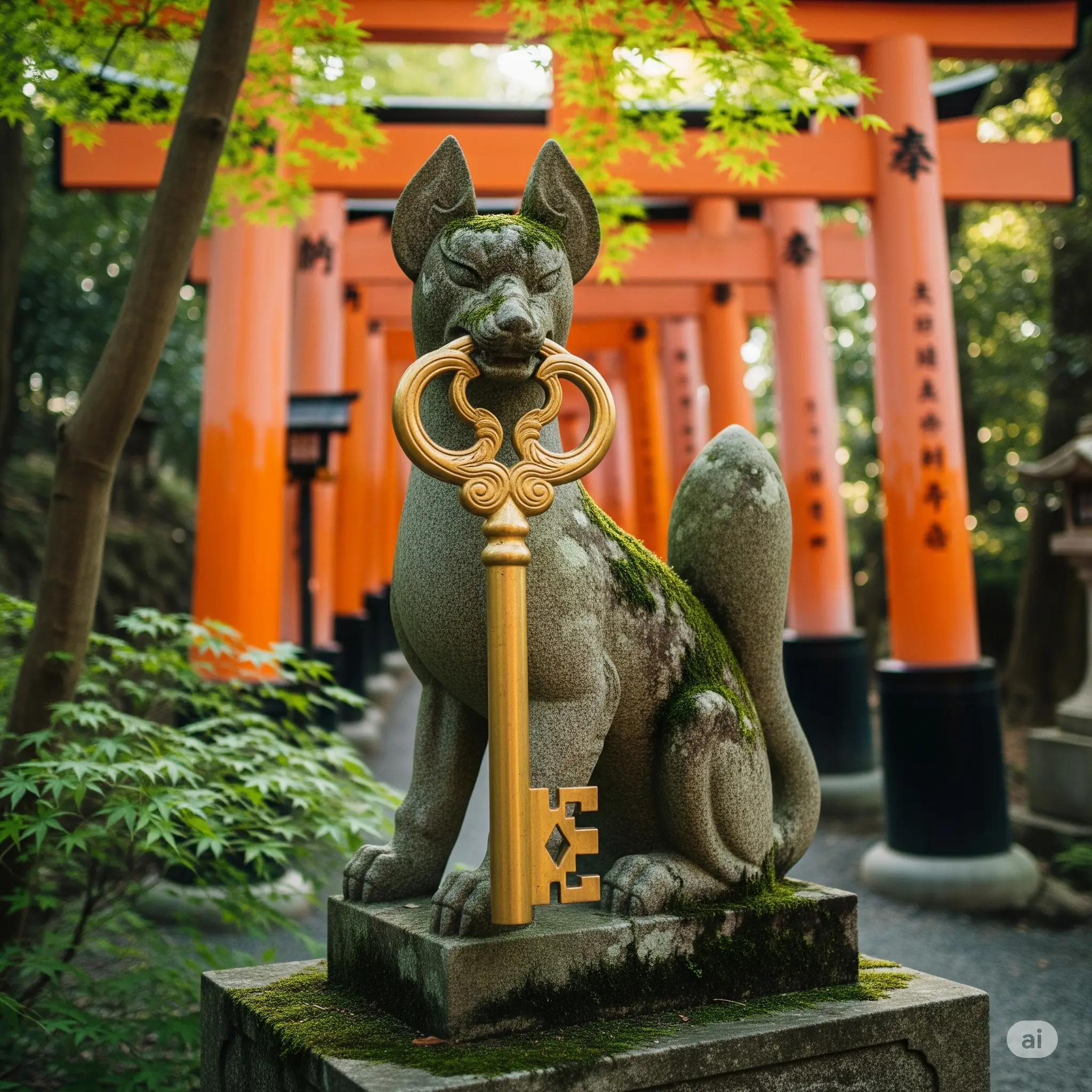
These mystical guardians play a profoundly significant role in Japanese folklore, frequently depicted as highly intelligent beings endowed with supernatural abilities, including shape-shifting powers and ancient wisdom. Their pervasive omnipresence at Fushimi Inari profoundly underscores their deep spiritual connection to Inari, imbuing the entire shrine complex with an enchanting and rich layer of mystique. It is a common and respectful practice for visitors to leave offerings for these revered fox spirits, particularly items like rice, sake, and fried tofu, often found in the form of *aburaage* or *kitsune udon*, as it is widely believed to be a favorite food of kitsune.
The core experience of visiting Fushimi Inari Taisha is intrinsically linked to the spiritual ascent up Mount Inari itself. The complete loop trail to the sacred summit and back covers an approximate distance of 4 kilometers (2.5 miles) and typically requires about 2 to 3 hours to complete at a comfortable, moderate pace. Along the way, you'll find numerous smaller sub-shrines, peaceful rest areas, and breathtaking viewpoints offering stunning panoramic vistas of Kyoto city sprawling beneath you. About 30-45 minutes into the ascent, you'll reach the Yotsutsuji intersection, which offers fantastic views of Kyoto and where the trail splits into a circular route to the summit. Many hikers choose to turn back here as the gate density decreases further up the mountain.
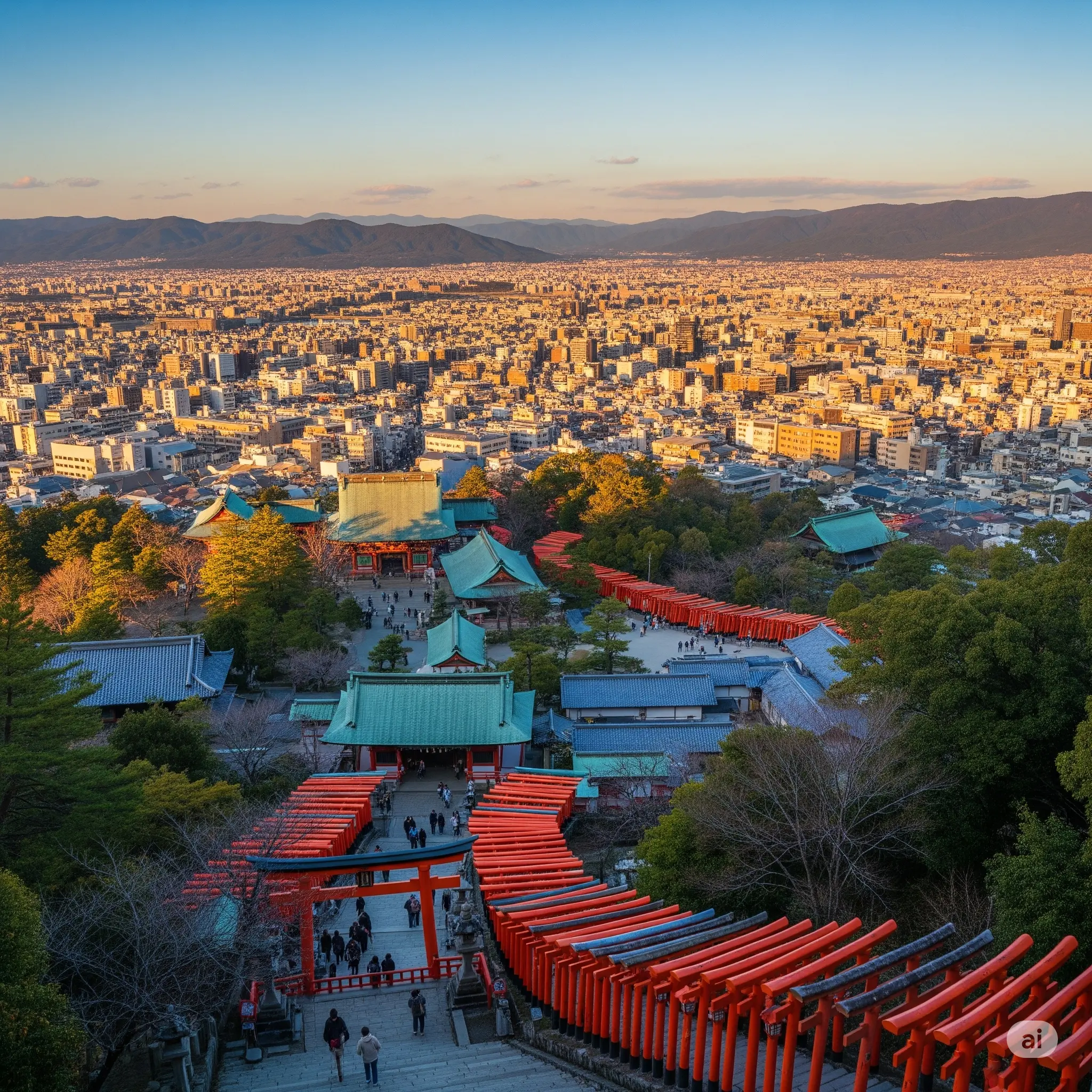
The ascent of Mount Inari offers a remarkably meditative quality. The rhythmic shuffle of feet on stone, the gentle rustling of leaves in the ancient forest, and the continuous, vibrant stretch of torii gates create a unique spiritual corridor. Even if your time or physical condition prevents you from completing the entire loop to the summit, the initial and middle sections of the Senbon Torii path provide an incredibly immersive and unforgettable experience. For a deeper understanding of Japanese pilgrimage trails and other activities across Japan, this experience is a perfect starting point.
While the main path of the Senbon Torii is undeniably breathtaking, part of the magic of Fushimi Inari Taisha lies in its countless hidden corners and quieter paths. As you ascend, notice the smaller, less-frequented detours branching off the primary route. These often lead to secluded sub-shrines, moss-covered stone lanterns, and ancient groves where the silence is broken only by the chirping of cicadas or the rustling of leaves. These smaller shrines also feature miniature torii gates, which visitors with smaller budgets can donate.
Taking the time to explore these serene offshoots allows for a deeper, more personal connection with the mountain's spiritual essence. Here, away from the bustling crowds, you can truly experience the meditative quality of the pilgrimage, finding moments of introspection and appreciation for the harmonious blend of nature and tradition that defines this sacred site. Look for subtle signs, tiny altars, and weathered fox statues nestled amongst the foliage – each a testament to centuries of quiet devotion.
No visit to Fushimi Inari Taisha is truly complete without indulging in the delightful local culinary scene and picking up some unique, culturally rich souvenirs. The charming area leading directly up to the main shrine is a bustling tapestry of inviting shops and aromatic street food stalls, offering a delectable array of tastes and treasures that reflect Kyoto's vibrant heritage.

To ensure a smooth, enjoyable, and respectful visit to Fushimi Inari Taisha, here’s some essential practical advice that will enhance your experience:
A visit to Fushimi Inari Taisha is truly an experience that transcends typical sightseeing; it is an immersive and deeply personal journey through Kyoto's spiritual heart. The mesmerizing visual impact of the thousands of vermilion torii gates, the mystical and ever-present guardians in the form of fox spirits, and the serene, contemplative climb up Mount Inari collectively weave an experience that engages all your senses. It lingers in your memory long after you've descended back into the bustling rhythm of the city below. Fushimi Inari Taisha is a sacred space where ancient tradition, the raw beauty of nature, and profound personal reflection gracefully converge, leaving every visitor with a deeper appreciation for Japan's rich cultural tapestry and a quiet sense of spiritual peace. Allow yourself to truly get lost in its breathtaking beauty, discover moments of unexpected tranquility amidst its grandeur, and carry a cherished piece of its enduring spirit with you wherever your journey takes you next.
The full loop to the summit of Mount Inari and back, traversing all the main torii gates, typically takes approximately 2 to 3 hours at a comfortable, moderate pace. However, you are free to turn back at any point if you prefer a shorter walk.
No, there is no entrance fee to visit Fushimi Inari Taisha or to walk its iconic torii gate paths. The shrine is open to the public free of charge, allowing everyone to experience its spiritual beauty.
To avoid the largest crowds and experience a more serene atmosphere, it is highly recommended to visit either early in the morning (before 8:00 AM) or late in the afternoon/early evening (after 4:00 PM). Since the shrine is open 24/7, a sunrise or sunset visit offers a truly magical and quiet experience.
The fox statues, known as kitsune, are revered as the divine messengers of Inari Ōkami, the deity of the shrine. They often hold symbolic items like a key or a jewel in their mouths, representing keys to rice granaries and the blessings of prosperity.
Inari Ōkami is the Shinto god primarily associated with rice, agriculture, sake, and general prosperity in business. The shrine is a particularly popular place for individuals and businesses to pray for success and bountiful harvests.
Yes, the vibrant street leading up to the main shrine is bustling with numerous food stalls and small restaurants. You can indulge in delicious local specialties like Inari sushi, Kitsune Udon, various sweets, and traditional Japanese snacks, making it a delightful culinary experience.
The hike is generally considered moderately challenging. While it's accessible to most people with average fitness, it involves a continuous incline and many steps. Comfortable walking shoes and adequate hydration are strongly recommended.
The vibrant vermilion color (known as "shuiro" in Japanese) holds deep traditional significance. It is believed to ward off evil spirits and to symbolize vitality, life, and the bountifulness of Inari Ōkami. Historically, it was also a color associated with high status and divine protection.
Ready to explore more of Japan's incredible culture and beauty? Here are some resources to help you plan your perfect trip!
