Nestled off the northwest coast of Lombok, the Gili Islands form a breathtakingly beautiful archipelago renowned for their powder-white beaches, crystal-clear turquoise waters teeming with vibrant marine life, and wonderfully laid-back, car-free atmosphere. Consisting of three distinct islands – Gili Trawangan, Gili Meno, and Gili Air – the Gilis offer a perfect tropical escape for travelers seeking deep relaxation, thrilling underwater adventures, and a charmingly rustic island experience blissfully free from the noise and pollution of motorized traffic. Each island possesses its own unique character and appeal, catering to different tastes and preferences, making them a highly sought-after addition to many Indonesian itineraries and a true highlight of the region. Planning an unforgettable trip to this part of Southeast Asia is easier when you know what awaits.
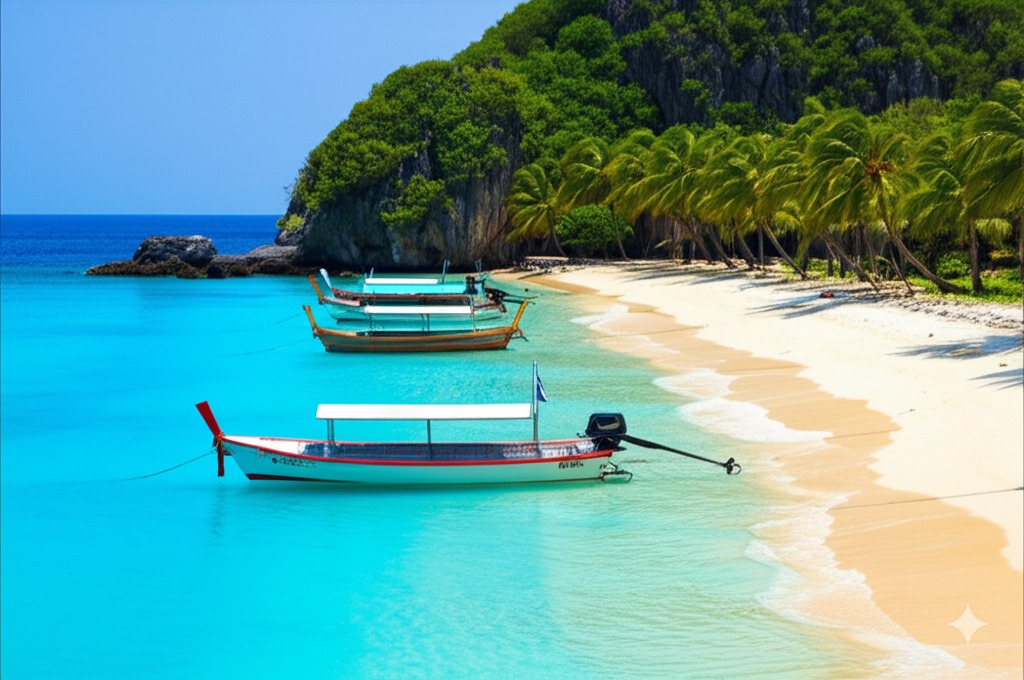
The Three Gilis: Finding Your Perfect Island Vibe
While often spoken of collectively, the three Gili Islands are remarkably distinct in their character and the type of experience they offer. Understanding these differences is key to choosing the island that best suits your travel style:
- Gili Trawangan (Gili T): As the largest and most developed of the three, Gili Trawangan is the most popular and vibrant island. It's known for its energetic atmosphere, bustling main street, and the most extensive selection of restaurants, bars, shops, and accommodation options. Gili T attracts a diverse crowd, including backpackers, younger travelers, and those who enjoy a lively social scene and nightlife. Despite its reputation for parties, the island is large enough to find quieter areas, particularly on the northern and western coasts. Gili T is the main hub for diving and snorkeling activities and offers the widest array of amenities like ATMs and tour operators.
- Gili Meno: Situated peacefully between Trawangan and Air, Gili Meno holds the title of the smallest and most tranquil island. It is the quintessential destination for those seeking ultimate peace, quiet, and seclusion. Popular with honeymooners, couples, and travelers looking to completely disconnect, Gili Meno has minimal development, focusing on untouched beaches, serene nature walks, and a truly romantic atmosphere. There are no loud bars or late-night parties here. Its waters are particularly famous for the underwater statues, which also serve as a growing artificial reef, and it offers fantastic snorkeling right off its shores, often with sightings of turtles.
- Gili Air: Located closest to mainland Lombok, Gili Air offers a wonderful balance between the lively energy of Trawangan and the serene tranquility of Meno. It has a good mix of welcoming restaurants, beach bars (that are more relaxed than Gili T's), and various accommodation styles. Gili Air retains a slightly more local feel than Trawangan and is popular with families, couples, and independent travelers who want a relaxed island experience with enough amenities and social interaction to feel connected. It's well-regarded for its beautiful beaches, stunning views back towards Lombok's volcanic peaks, and excellent snorkeling accessible directly from the shore, making it easy to spot marine life.
Which Gili Island is the Best?
Deciding which Gili Island is "the best" is entirely subjective and depends on what you are looking for in an island getaway. There isn't a single "best" island, but rather the best island for you.
- Gili Trawangan is Best For: Social butterflies, backpackers, young travelers, those seeking nightlife and a wide range of dining options, divers and snorkelers who want the most choices for operators and courses, and travelers who enjoy a vibrant, bustling atmosphere.
- Gili Meno is Best For: Couples, honeymooners, those seeking ultimate tranquility, peace, and seclusion, nature lovers, snorkelers and divers prioritizing calm waters and easy access to marine life and the underwater statues, and travelers who want to disconnect completely from the outside world.
- Gili Air is Best For: Families, couples, travelers seeking a balance between relaxation and social options, those who enjoy snorkeling directly from the beach, travelers who appreciate a slightly more local vibe, and those wanting convenience due to its proximity to Lombok.
Many travelers choose to visit more than one Gili island during their trip, taking short boat rides between them to experience the different atmospheres.
The Gili Islands, like much of Indonesia, experience a tropical climate with two main seasons: the dry season and the wet season. This generally means warm temperatures year-round, but with distinct differences in rainfall and humidity. Understanding these seasons can help you choose the ideal time for your visit.
- The Dry Season (Roughly April to October): This period is widely considered the best season to visit the Gili Islands. Expect plenty of sunshine, clear blue skies, and very little rainfall. Temperatures are hot, typically averaging between 29°C and 32°C (84°F-89°F), but often feel comfortable thanks to refreshing sea breezes. The dry season offers the most reliable weather for beach activities, sunbathing, snorkeling, diving, and boat trips, with generally calmer seas. This coincides with the peak tourist season, particularly during July and August, which means more crowds and potentially higher prices for accommodation and transport.
- The Wet Season (Roughly November to March): During the wet season, the Gili Islands experience more rainfall, though often less intensely and for shorter durations compared to other parts of Indonesia like mainland Bali. Rain typically comes in the form of tropical downpours, often in the afternoons or evenings, which can be heavy but are usually interspersed with periods of sunshine. Temperatures remain warm, around 28°C to 31°C (82°F-88°F), but humidity levels are higher, which can make it feel hotter. The seas can occasionally be rougher during this time, potentially affecting boat transfers. However, visiting during the wet season has its advantages: fewer crowds, lower prices for accommodation and activities, and lush, vibrant green landscapes thanks to the rain. Water visibility for diving and snorkeling can sometimes be affected by runoff, but is often still good.
Conclusion on Timing: For the most consistently sunny and dry weather, ideal for maximizing beach time and water activities, the dry season (April to October) is the preferred period. However, if you prioritize fewer crowds, lower prices, and don't mind the possibility of occasional tropical showers, the wet season (November to March) can still offer a rewarding and enjoyable island experience. The shoulder months at the beginning and end of the dry season (April, May, June, September, October) can be particularly appealing, offering a good balance of pleasant weather and fewer crowds than the absolute peak months of July and August.
Getting There: Your Journey to Paradise
Reaching the Gili Islands typically involves a picturesque boat trip from either the popular tourist hub of Bali or the neighboring island of Lombok.
- From Bali: This is the most frequent route for international travelers arriving in Bali. Fast boats depart regularly from several ports, with Padang Bai on Bali's east coast being the most common and offering the shortest sea crossing (approximately 1.5 to 2 hours in good conditions). Other departure points include Sanur and Amed, offering slightly longer journeys. Multiple fast boat companies operate these routes, varying in price, schedule, and comfort levels. It's advisable to book fast boat tickets in advance, especially during peak travel seasons or the dry season, as they can sell out.
- From Lombok: If you are already exploring Lombok, getting to the Gilis is much quicker and more budget-friendly. Public boats and speedboats depart frequently from harbors along Lombok's northwest coast, primarily from Bangsal harbor (near Pemenang). The crossing times are significantly shorter: just 10-15 minutes to Gili Air, slightly longer to Gili Meno, and around 20-30 minutes to Gili Trawangan by public boat (speedboats are faster). This is a more local experience compared to the fast boats from Bali.
Getting Around: Embrace the Pace of Island Life
One of the most distinctive and appealing aspects of the Gili Islands is the complete and refreshing absence of cars and motorbikes. This contributes immensely to the islands' peaceful and relaxed atmosphere. The primary modes of transportation are:
- Walking: The islands are small enough to explore on foot. You can easily walk around the entire perimeter of Gili Air and Gili Meno, and a significant portion of Gili Trawangan. Walking along the sandy beach paths or inland trails is a wonderful way to soak in the island vibes and discover hidden cafes or viewpoints.
- Bicycles: Renting a bicycle is a very popular and convenient way to get around, particularly on Gili Trawangan and Gili Air where there are established paths around the coast. Cycling is a great way to explore the islands at your own pace and chase sunsets. Note that paths can be sandy in places, requiring some dismounting.
- Cidomo (Horse Carts): Traditional, brightly decorated horse-drawn carts serve as the islands' unique taxis. They are most commonly used for transporting luggage and travelers between the harbor and their accommodation upon arrival and departure, or for longer distances around the island perimeter, especially on Gili Trawangan. It's customary to negotiate the fare with the driver before starting your journey.
Embracing this slow, car-free environment is a key part of the Gili Islands experience and is a welcome change for many visitors seeking an escape from traffic noise and pollution.
Things to Do: Sun, Sand, and Submerged Wonders
The Gili Islands offer a fantastic range of activities predominantly centered around enjoying the natural beauty, the beaches, and the incredible marine environment:
- Snorkeling Adventures: The clear, warm waters surrounding the Gilis are exceptional for snorkeling, offering easy access to beautiful coral reefs and diverse fish. You can often snorkel directly from many beaches on Gili Air and Gili Meno. Alternatively, join one of the many popular snorkeling boat trips that take you to multiple prime spots around all three islands, including known turtle feeding grounds and vibrant coral gardens. Gear can be rented widely on all islands.
- World-Class Diving: The Gili Islands are a renowned diving destination in Southeast Asia, attracting divers from around the globe. Numerous professional dive centers are available on Gili Trawangan and Gili Air, offering everything from beginner PADI certification courses (the Gilis are a popular and relatively affordable place to learn) to fun dives for certified divers. Dive sites cater to various experience levels and offer opportunities to see reef sharks, manta rays (seasonally), schools of fish, and intricate coral formations at sites like Shark Point, Meno Wall, and the various submerged reefs.
- Relaxation on Stunning Beaches: The most fundamental activity on the Gilis is simply unwinding on their postcard-perfect beaches. Stretch out on the soft white sand, swim in the invitingly warm, clear waters, and soak up the tropical sun. Each island offers beautiful stretches of coastline, with Gili Meno often praised for having the most pristine and secluded shores.
- Chasing Sunsets: Witnessing the spectacular sunsets is a daily ritual. The western coasts of all three islands offer great sunset views, but Gili Trawangan's western side is particularly famous for vibrant skies as the sun dips below the horizon behind Mount Agung on Bali (visible on clear days). Many beachfront bars and restaurants offer prime spots to enjoy this daily spectacle.
- Island Exploration by Bike or Foot: Take the time to explore beyond the main beach strips. Rent a bicycle to cycle the coastal paths (note: some sections can be sandy). Wander inland on foot to see local life, coconut groves, and find quieter spots. The relatively small size of the islands makes them easy to navigate independently.
- Visit the Gili Meno Underwater Statues: A unique attraction is the "Nest" sculpture park by Jason deCaires Taylor, located just off the coast of Gili Meno. This collection of submerged human figures serves as both an artistic installation and an artificial reef, attracting marine life. It's easily accessible for snorkelers and divers.
- Paddleboarding and Kayaking: Rent paddleboards or kayaks to explore the calm waters around the islands from a different perspective, offering a gentle workout and access to nearby snorkeling spots.
- Yoga and Wellness Retreats: The peaceful environment of Gili Meno and Gili Air has made them popular locations for yoga studios, retreats, and wellness centers, offering classes and programs for those seeking mindfulness and rejuvenation.
Marine Life: A Diver's and Snorkeler's Paradise
The underwater world surrounding the Gili Islands is a major highlight and a primary reason many travelers visit. The waters are generally clear and warm, providing excellent visibility for observing marine life.
- Sea Turtles: The Gilis are a well-known haven for sea turtles. Green Sea Turtles and Hawksbill Turtles are frequently encountered, often grazing on seagrass beds in shallow areas or swimming along the reefs. Popular spots for turtle sightings include areas off Gili Meno and the northern part of Gili Trawangan. Seeing these gentle creatures in their natural habitat is a magical experience.
- Vibrant Coral Reefs: The islands are surrounded by fringing coral reefs that are home to a diverse array of tropical fish in countless colors and sizes. While some areas have experienced coral damage in the past, ongoing conservation efforts and the establishment of protected zones are helping the reefs recover, providing fascinating underwater landscapes to explore.
- Other Marine Creatures: Beyond turtles and reef fish, divers and snorkelers may also encounter reef sharks (usually small and harmless), rays, octopuses, moray eels, sea snakes, and a variety of macro life. The larger marine creatures like manta rays and whale sharks are less common but occasionally spotted in deeper waters further from the islands.
Responsible snorkeling and diving practices are encouraged to help protect this fragile marine ecosystem, such as avoiding touching the coral or disturbing the wildlife.
Food and Drink: Savoring Island Flavors
The Gili Islands offer a surprisingly diverse and evolving culinary scene, especially considering their small size. While Gili Trawangan boasts the widest selection, you'll find plenty of delicious options on all three islands.
- Fresh Seafood: Given their location, fresh seafood is a highlight. Many restaurants, particularly along the beach, offer daily catches that can be grilled to order, providing a delicious and often affordable dinner option.
- Local Indonesian Cuisine: Countless small local eateries, known as warungs, serve authentic and budget-friendly Indonesian dishes like Nasi Goreng (fried rice), Mie Goreng (fried noodles), Satay, and Gado-Gado (vegetable salad with peanut sauce). Trying local food is essential for a complete cultural experience.
- International Options: Gili Trawangan, in particular, has a wide range of restaurants offering international cuisine, from Italian pizza and pasta to Western breakfasts and Middle Eastern food, catering to diverse traveler palates. Gili Air also has a good selection of international-leaning cafes and restaurants.
- Beachfront Dining: Enjoying a meal or a drink with your feet in the sand and the sound of the waves is a classic Gili experience offered by many establishments.
- Bars and Nightlife: Gili Trawangan is known for its lively nightlife with beachfront bars hosting parties and live music, particularly on the southern end. Gili Air has a more mellow bar scene, perfect for sunset drinks. Gili Meno is very quiet in the evenings.
- Cooking Classes: Some places on Gili Trawangan and Gili Air offer Indonesian cooking classes, allowing you to learn how to prepare popular local dishes.
Accommodation: Finding Your Island Home
The Gili Islands offer a broad spectrum of accommodation options to suit various budgets and preferences, from simple beach huts to more luxurious resorts and private villas.
- Budget-Friendly: Gili Trawangan has the most hostels and budget guesthouses, popular with backpackers and solo travelers. Simple bungalows can also be found on all islands.
- Mid-Range: Gili Air and Gili Trawangan offer a good selection of mid-range hotels, guesthouses, and bungalows, providing comfortable stays with amenities like air conditioning and swimming pools.
- Boutique and Luxury: For those seeking more comfort and privacy, boutique resorts and private villas are available, particularly on Gili Meno (ideal for romantic getaways) and quieter parts of Gili Trawangan and Gili Air. These often feature private pools and beachfront locations.
Booking accommodation in advance is highly recommended, especially if traveling during peak season (July-August) or the dry season, or around Christmas/New Year, or if you have specific requirements or preferences.
Atmosphere and Vibe: Disconnecting and Recharging
The defining charm of the Gili Islands is their incredibly relaxed, peaceful, and slow-paced atmosphere. The absence of any motorized traffic is the most significant factor contributing to this unique vibe. Instead of traffic noise, you'll hear the gentle lapping of the waves, the calls of birds, the occasional clip-clop of a horse cart, and the relaxed chatter of people. This creates an environment where you can truly disconnect from the stresses of modern life and reconnect with nature and simple pleasures. The pace of life is noticeably slower, encouraging visitors to relax, wander, and simply enjoy being present in the tropical setting.
Practical Tips for Your Gili Adventure
Here are some practical **travel tips** for planning your Gili adventure:
- Cash is Essential: While larger resorts and dive centers on Gili Trawangan may accept credit cards, most transactions on all three islands, especially at smaller restaurants, shops, and for transport (cidomos, inter-island boats), are cash-based. Bring sufficient Indonesian Rupiah (IDR) with you. ATMs are available on Gili Trawangan but can sometimes run out of cash or be out of service. It's wise to get cash before arriving or upon arrival on Gili T.
- Water Scarcity: Fresh water is a precious resource on the islands, and most taps use brackish water. Bottled water for drinking is readily available. Be mindful of water usage.
- Responsible Tourism: Be mindful of your environmental impact. Dispose of trash properly, avoid single-use plastics where possible, and choose reef-safe sunscreen to protect the fragile coral reefs.
- Respect Local Culture: Although popular with tourists, the Gilis are close to Lombok, a predominantly Muslim island. While swimwear is appropriate on the beaches, it's respectful to dress modestly (covering shoulders and knees) when walking through villages or away from the immediate beach tourist areas, particularly on Gili Air and Gili Meno.
- Book Transport in Advance: Especially during peak season or the dry season, it's advisable to book fast boat transfers from Bali in advance through reputable operators to secure your spot.
- Bring Reef-Safe Sunscreen: Help protect the fragile coral reefs by using sunscreen that is free of harmful chemicals like oxybenzone and octinoxate.
- Footwear: You'll spend most of your time barefoot or in sandals/flip-flops. Bringing water shoes can be useful for rocky areas or getting in and out of boats.
The Gili Islands offer a truly unique and unforgettable tropical escape. Whether you're drawn to the lively social scene and extensive amenities of Gili Trawangan, the peaceful seclusion and romantic charm of Gili Meno, or the balanced, friendly atmosphere and easy access of Gili Air, these car-free islands off Lombok provide a slice of paradise waiting to be explored, enjoyed, and cherished.


