

Hidden festive wonders across Europe are unveiled, offering a glimpse into unique holiday traditions. Enchanting atmospheres and artisanal delights are explored, promising a truly magical experience.
Escape the ordinary and immerse yourself in the unparalleled magic of Europe's hidden Christmas markets for 2025. Discover enchanting atmospheres, savor unique artisanal delights, and experience holiday traditions that will ignite your festive spirit like never before. Get ready to unlock a truly magical and memorable Christmas journey you won't find anywhere else.
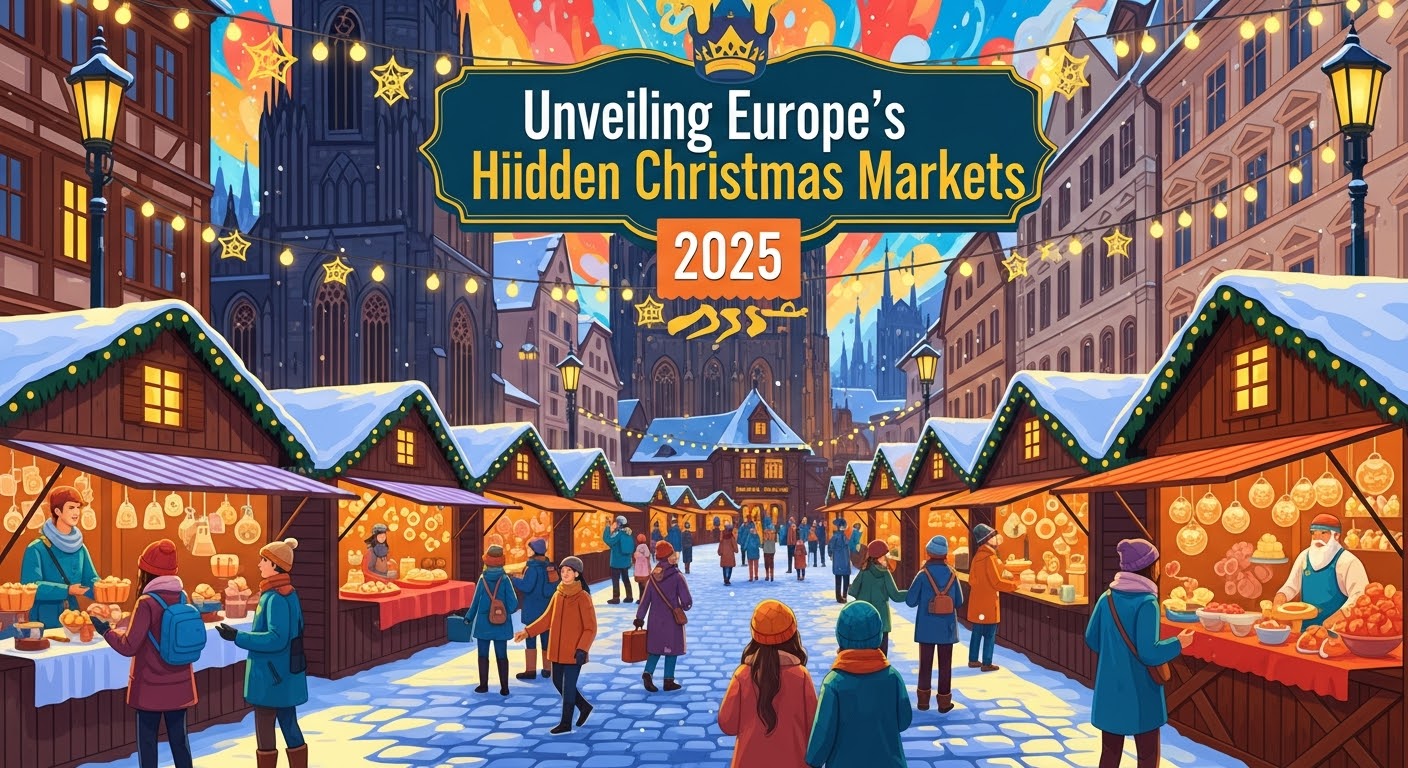
Tired of the same old crowded Christmas markets? Imagine stepping into a hidden winter wonderland, a secret Europe where ancient traditions meet twinkling lights and unique artisan crafts. For 2025, we're urging you to look beyond the guidebooks. While places like Vienna, Prague, and Nuremberg are undeniably beautiful, they often sacrifice intimacy for scale, turning a festive experience into a jostling crowd of selfie sticks and commercial stalls.
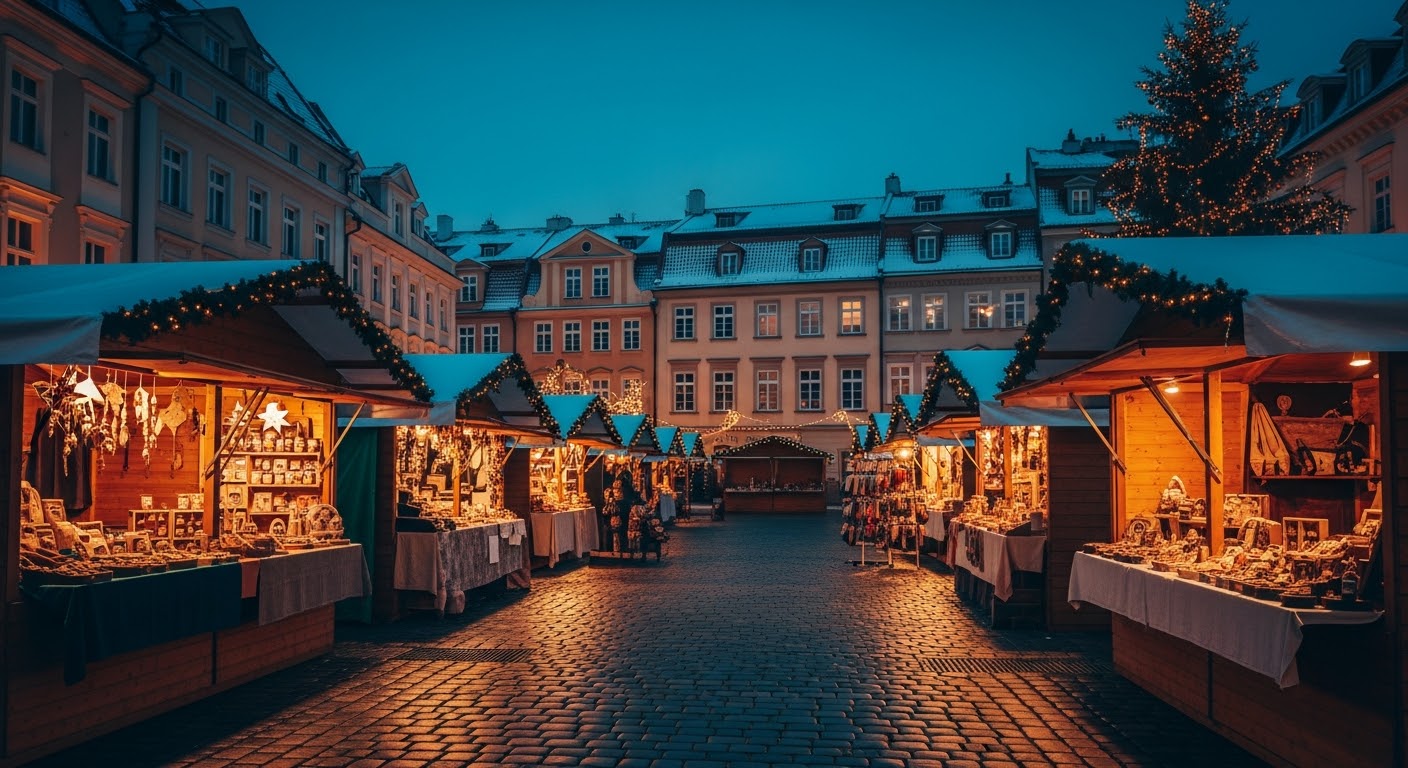
The true magic of Christmas lies in discovery—finding that perfect hand-carved ornament, sampling a regional pastry unique to a single valley, or enjoying mulled wine with local families instead of fellow tourists. By choosing the lesser-known locations, you get to experience the authentic European Christmas spirit in its purest form. These hidden markets offer a sense of tranquility and wonder that is increasingly rare in the modern world. Prepare to discover the true magic you’ve been searching for, where every cobblestone street tells a story and every lit candle signifies a warm welcome.
We've traveled across the continent to find three enchanting destinations that promise a truly magical journey beyond the typical tourist traps. These are the secrets to a genuinely unforgettable and enchanting Christmas experience, selected for their atmosphere, authenticity, and commitment to keeping the holiday spirit alive without the commercial sprawl.
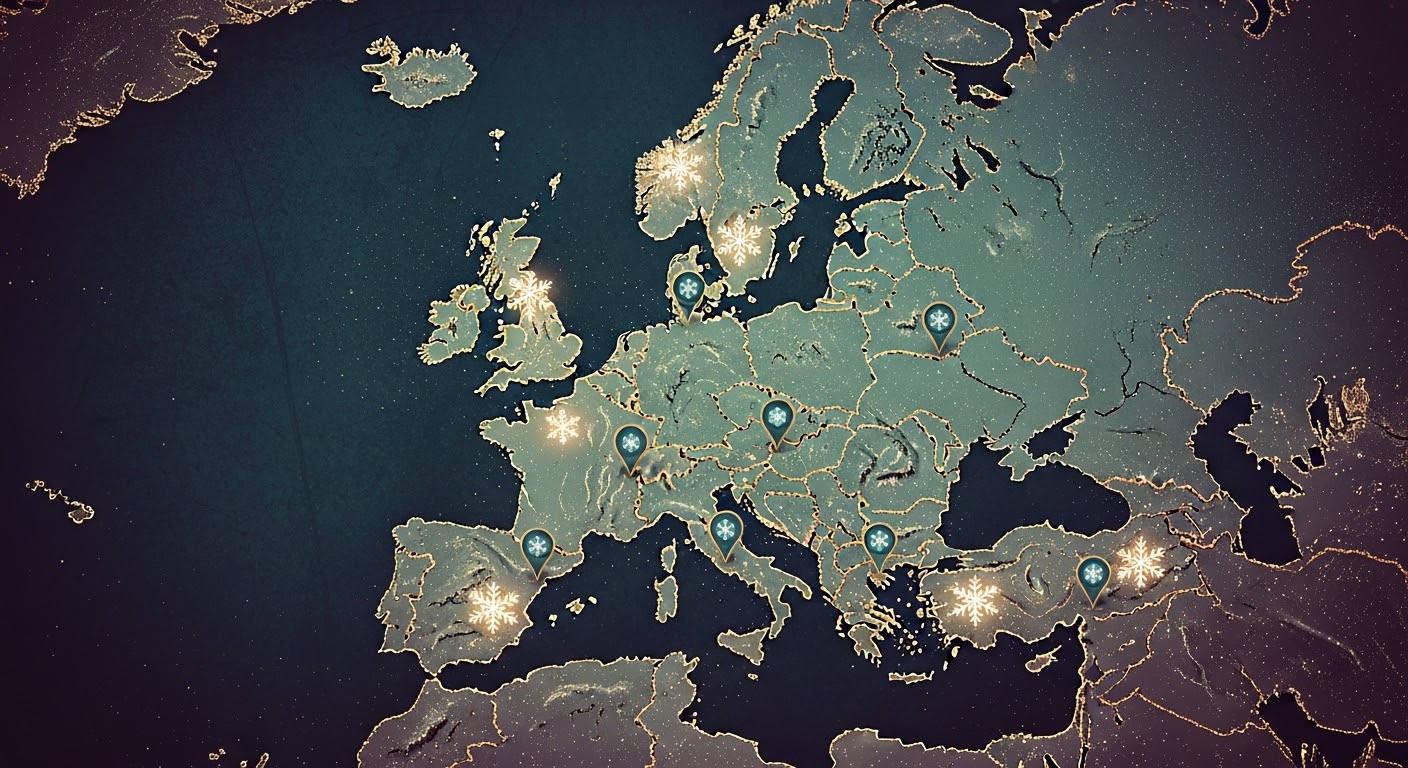
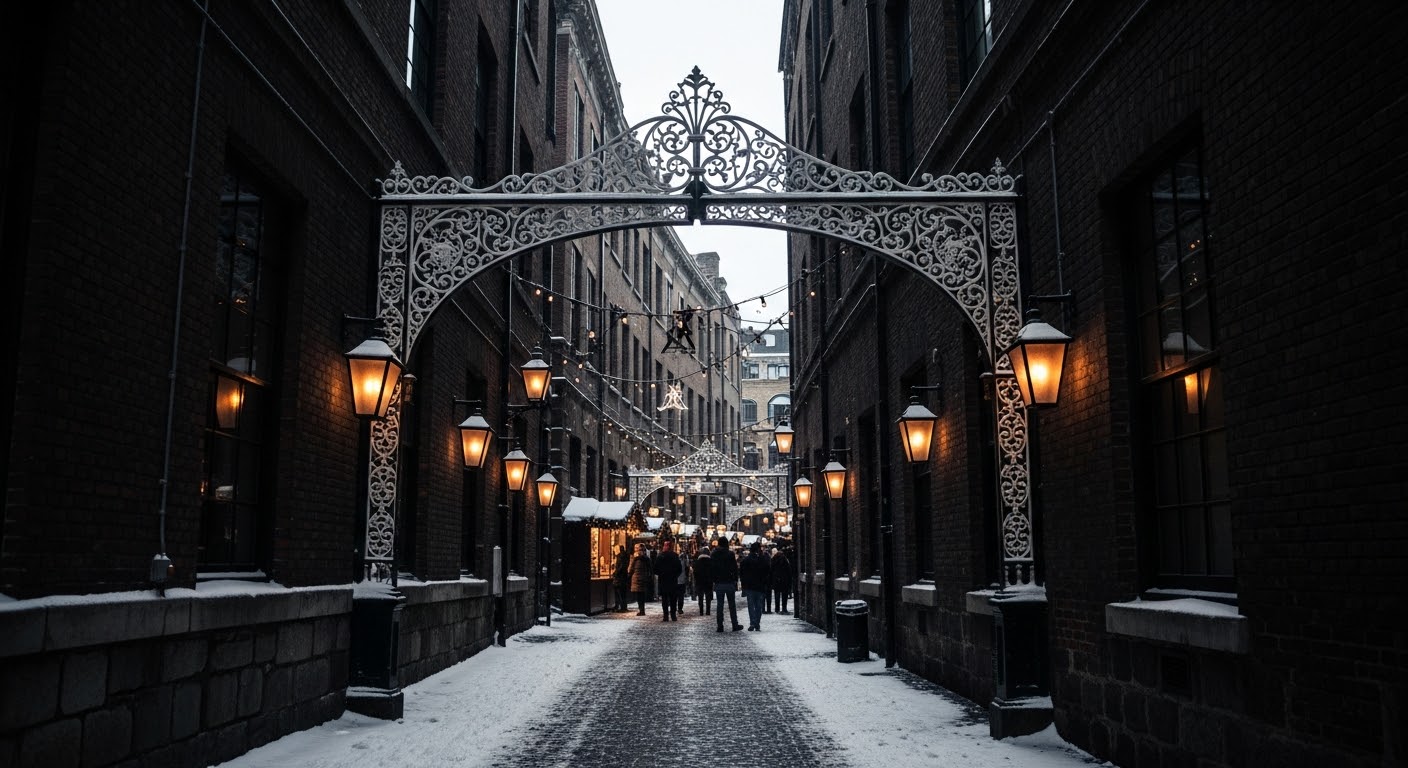
Nestled in the heart of Alsace, Colmar offers a Christmas market experience that looks like it leapt straight out of a children's storybook. Unlike the huge Parisian markets, Colmar’s markets are spread across five distinct sites in the historic city center, each specialized and intimate. The illuminated half-timbered houses and canal system of "Petite Venise" lend an enchanting, secluded atmosphere. Here, you’ll find unique Alsatian crafts, local wines, and the savory Tarte Flambée (flammekueche) alongside classic French sweets. The lighting design is specifically curated to highlight the architectural heritage, turning the entire town into an open-air theater of light.
Forget Munich; the "Rider's Market" (Reiterlesmarkt) in Rothenburg ob der Tauber offers a Christmas experience steeped in deep history. Surrounded by perfectly preserved medieval walls, this market focuses heavily on traditional German crafts and the story of the *Reiter* (the medieval rider who, according to legend, appears during the Advent period). The absence of modern sprawl means the market preserves an old-world charm that is simply unmatched. Visitors can walk the snow-dusted town walls for a panoramic view of the red-tiled roofs before descending into the square to enjoy the famous local specialty, the Schneeballen (a fried pastry dusted with powdered sugar).
Imagine a tiny market set against a dramatic alpine backdrop, reflected perfectly in a pristine lake. Hallstatt’s Christmas Market might be small, but its breathtaking location makes it unforgettable. Known for its delicate hand-blown glass ornaments and intricate wood carvings, this market embodies tranquility. It’s the perfect place to focus on the craftsmanship and enjoy a quiet, contemplative holiday moment, away from the typical metropolitan rush. The silence of the lake in winter, broken only by soft carols and the lapping water, creates a spiritual atmosphere rarely found elsewhere.
What truly sets these hidden markets apart is their dedication to specific regional culture and history. In the major cities, traditions can become diluted for mass appeal, but in these smaller towns, the cultural quirks thrive. You aren't just observing a festival; you are participating in a community event.
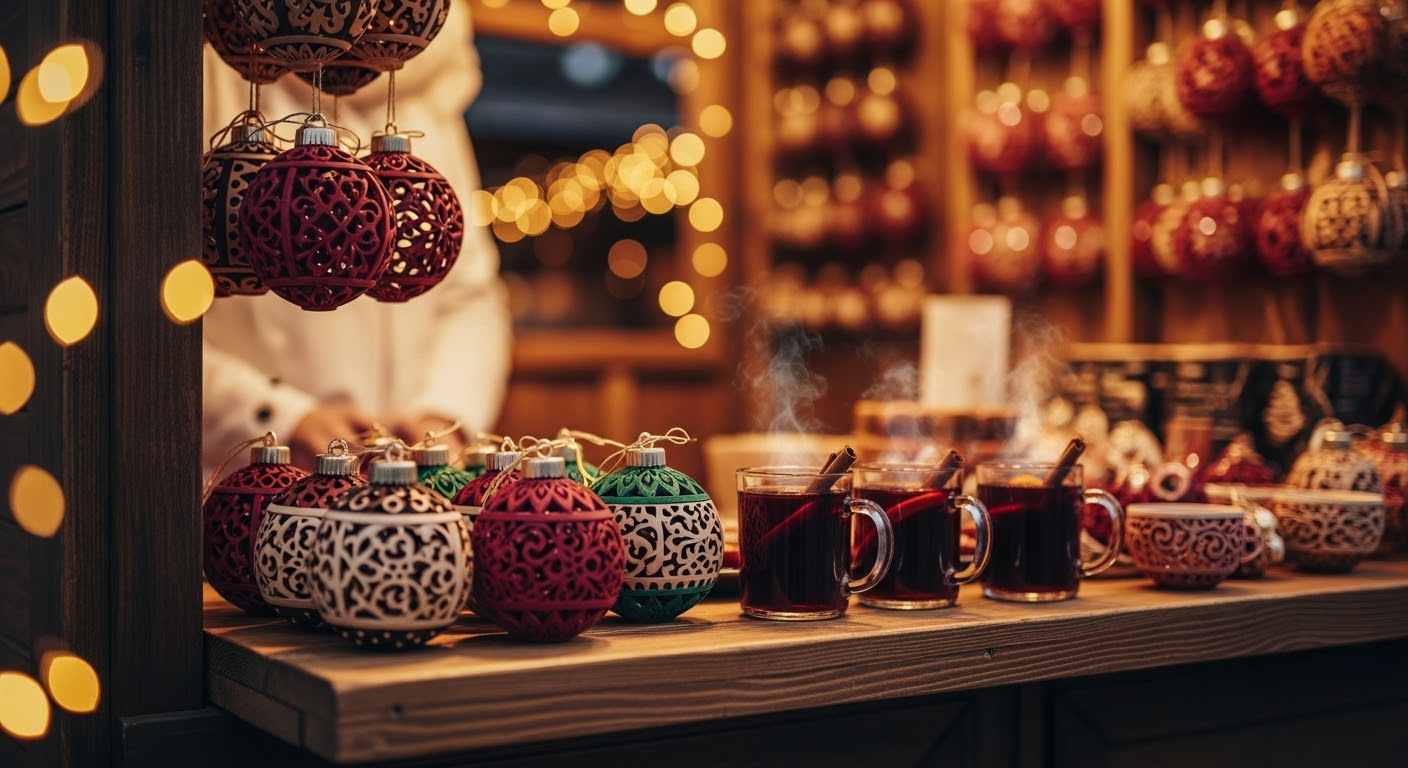
Experiencing these distinctive elements is what turns a simple holiday trip into a deep dive into European culture.
The core of any great Christmas market is the goods. At our hidden gems, the emphasis is on local, artisanal products. You are not buying mass-produced souvenirs; you are investing in a piece of local artistry and the passion of the vendors.
| Feature | Unique Offering | Market Location |
|---|---|---|
| Artisan Ornaments | Hand-blown glass and intricate wood carvings, often reflecting the alpine scenery. | Hallstatt, Austria |
| Local Textiles | Regional fabrics, including embroidered linens (Kelsch) and woolen goods perfect for cold winter nights. | Colmar, France |
| Historical Toys | Replicas of medieval wooden toys, smoking men (Räuchermännchen), and unique German nutcrackers. | Rothenburg, Germany |
While Glühwein (mulled wine) is ubiquitous, each region has its own distinctive festive beverages and snacks. In Rothenburg, the hot white wine (Weißer Glühwein) is a refreshing twist, while Colmar’s markets offer regional fruit brandies and hot apple juice with cinnamon. The savory selections are just as diverse: try the giant pretzels in Bavaria, the delicate savory crêpes in Alsace, or the hearty *Kaiserschmarrn* (shredded pancake) in Austria. These culinary secrets truly define each market's unique identity.
Planning a trip to these hidden gems requires slightly more preparation than booking a flight to a major capital, but the reward—a truly intimate and authentic holiday—is well worth the effort.
To help you start planning your journey, here is a potential itinerary focusing on the magic of Rothenburg ob der Tauber.
| Time Slot | Activity | Focus |
|---|---|---|
| Day 1: Afternoon | Arrive, check-in, and enjoy the opening night of the Reiterlesmarkt. | Atmosphere and Glühwein tasting. |
| Day 2: Morning | Take the Night Watchman's Tour (in daylight for the history) and explore the town walls. | History and Architecture. |
| Day 2: Evening | Browse the stalls for artisan gifts, followed by a traditional German dinner at a local tavern. | Craftsmanship and Culinary. |
| Day 3: Morning | Visit the German Christmas Museum (Käthe Wohlfahrt) for ornament history. | Thematic Shopping. |
We've compiled answers to the most common questions about visiting Europe's hidden Christmas markets.
They offer a different experience. Famous markets are grand and offer more variety, but the hidden markets offer an unparalleled intimacy, local authenticity, and charm, which many travelers find more memorable and relaxing. They are generally less crowded.
While high-end crafts are always costly, general food and drink prices (like Glühwein and snacks) are often slightly cheaper than in capital cities. Accommodation, however, can sometimes be pricier due to limited supply in smaller towns, so book early!
Layers are crucial! Expect freezing temperatures, especially at night. Essential items include thermal base layers, wool socks, waterproof boots, a heavy, windproof coat, and, of course, gloves and a hat. Don't underestimate the cold!
The magic of a European Christmas is undeniable, but the key to a truly unforgettable experience in 2025 is exclusivity and authenticity. By swapping the busy thoroughfares of capital cities for the quiet, candlelit streets of Colmar, Rothenburg, and Hallstatt, you are choosing to connect with the heart of local tradition.
This is more than just a holiday—it’s an opportunity to create memories wrapped in the genuine, sparkling charm of old-world Europe. Your 2025 Christmas escape awaits, promising enchanting atmospheres and artisanal delights that you’ll cherish for a lifetime.
Ready to trade the crowds for enchantment?
Plan Your Hidden Market Adventure Now!