A Guide to Wat Pho: The Temple of the Reclining Buddha
Revelation
August 14, 2025
Posted By : Admin
A Guide to Wat Pho: The Temple of the Reclining Buddha
Nestled in the heart of the old city, Wat Pho Bangkok—formally known as Wat Phra Chetuphon temple—offers a serene escape into Thailand’s spiritual and wellness traditions. Home to the iconic Reclining Buddha Bangkok, this revered Buddhist temple Bangkok is a cornerstone of any Bangkok temple tour, blending centuries of traditional Thai healing with awe-inspiring artistry.
Visitors can indulge in a rejuvenating Thai massage Wat Pho session, guided by experts from the renowned Thai massage school Wat Pho, and experience the essence of holistic healing Thailand. Whether you're seeking a spiritual retreat Bangkok, exploring Bangkok wellness travel, or simply curious about what to expect at Wat Pho Thai massage, this sanctuary delivers peace, culture, and insight.
From Wat Pho architecture highlights to its place among the best temples to visit in Bangkok, it’s a must-see on any Bangkok itinerary cultural sites. Be sure to review Thai massage etiquette Wat Pho and plan ahead for how to get to Wat Pho temple to make the most of your visit.
Wat Pho: Bangkok's Temple of the Reclining Buddha & Thai Wisdom
Discover a treasure trove of art, history, and ancient healing in the heart of Thailand's capital.
Nestled just south of the Grand Palace, Wat Phra Chetuphon Wimon Mangkhalaram Rajwaramahawihan, more commonly known as Wat Pho Bangkok, stands as one of the city's oldest and largest temple complexes. This royal monastery offers much more than a brief photo opportunity; it invites a full day of exploration, revealing layers of Thai history, art, and ancient wisdom. It is not only famous as the home of the colossal Reclining Buddha Bangkok, an awe-inspiring golden statue stretching the length of a city block, but also as the undisputed birthplace of traditional Thai massage. Stepping into Wat Pho is like entering a living museum and a profound spiritual retreat Bangkok, where intricate architecture, sacred art, and an aura of timeless tranquility converge. It is a must-visit for anyone seeking to understand the heart of Thai Buddhism and immerse themselves in a holistic cultural experience. Consider this Bangkok temple tour an essential part of your journey.
Begin your day early at Wat Pho to experience the peaceful atmosphere before the crowds arrive. This grand complex offers a rich tapestry of sights and sounds, inviting you to wander and discover its many treasures.
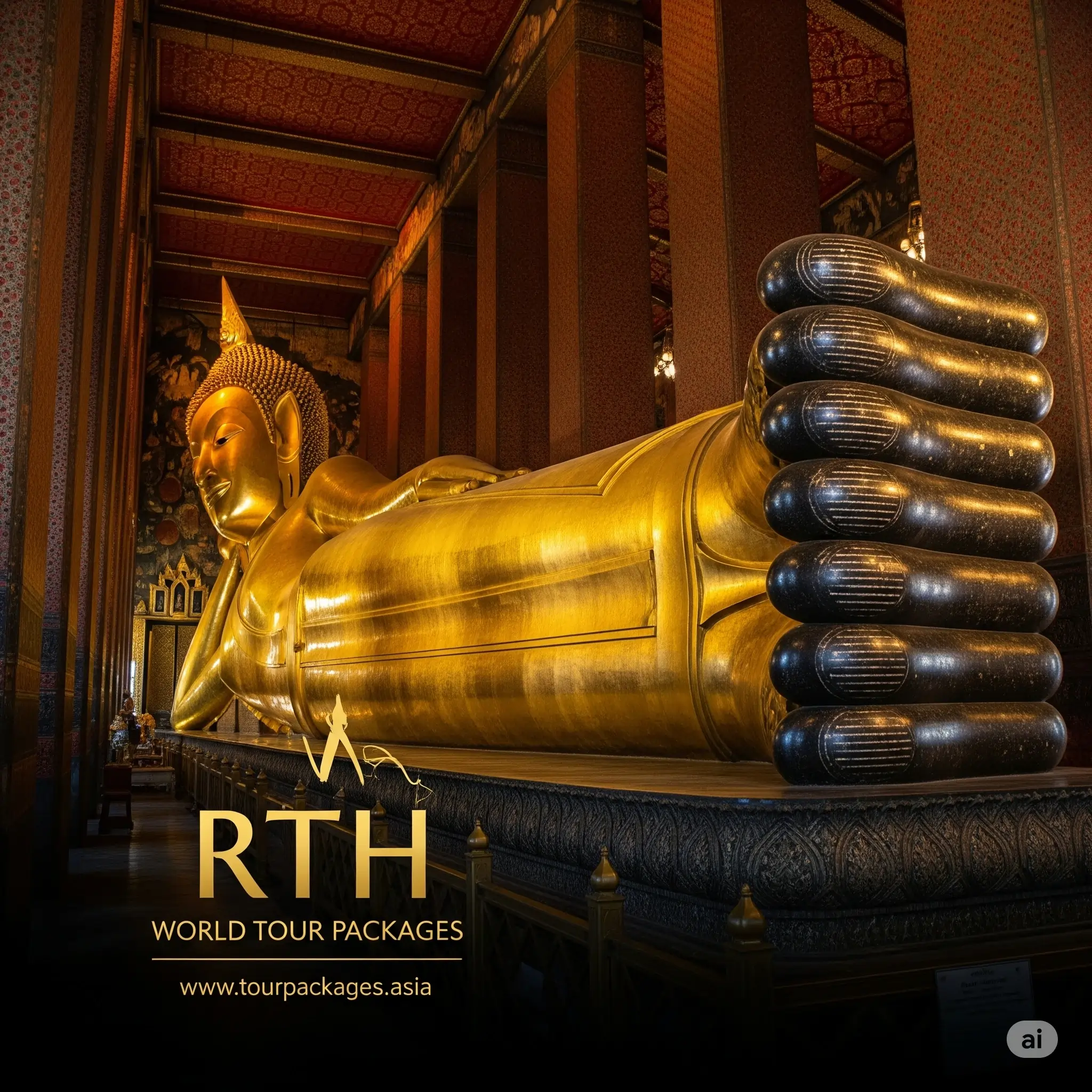
The Majestic Reclining Buddha: The undisputed highlight is the immense gilded statue of the Reclining Buddha Bangkok. This breathtaking representation of Buddha entering Nirvana (the state of complete enlightenment) is an astounding 46 meters (150 feet) long and 15 meters (49 feet) high. Its sheer size overwhelms the wiharn (assembly hall) in which it resides. Observe the 108 auspicious symbols of Buddha, intricately inlaid in mother-of-pearl on each sole of the Buddha’s feet. Participate in the ritual of the 108 bowls, dropping coins into each, believed to bring good luck and contribute to the temple's upkeep.
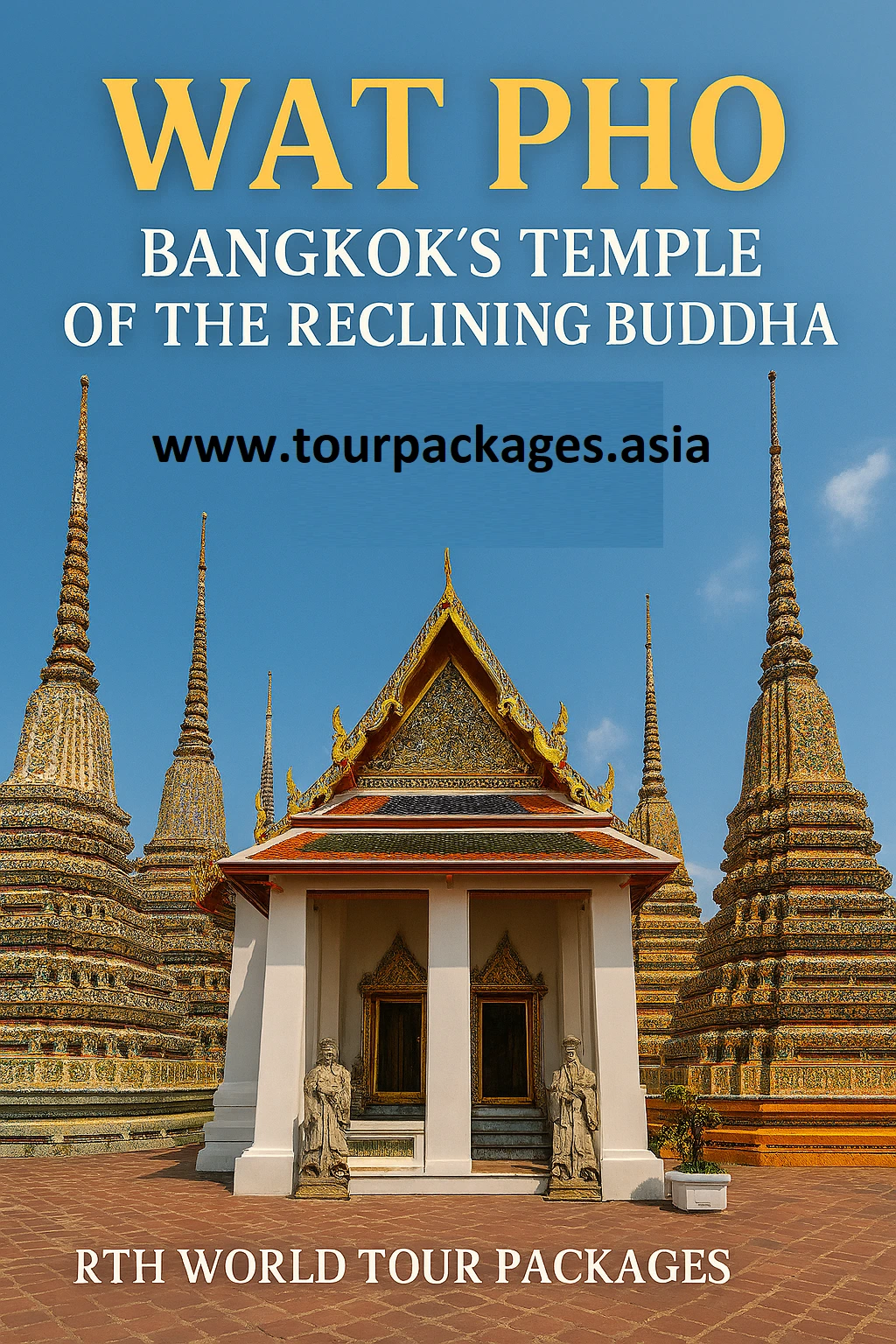
Four Grand Chedis: Dominating the central courtyard are four enormous, colorful chedis (stupas), each decorated with exquisite ceramic tiles and vibrant patterns. Three of these chedis honor the first three kings of the Chakri Dynasty, while the fourth contains a sacred Buddha relic.
Over 1,000 Buddha Images: The temple complex houses an astonishing collection of over 1,000 Buddha images. Many of these are enshrined in the cloisters surrounding the main bot (ordination hall) and viharn (assembly halls), offering a serene atmosphere for contemplation and a glimpse into devout practices.
Beautiful Gardens and Courtyards: Wander through the meticulously maintained gardens, serene courtyards, and small pavilions. The tranquil atmosphere provides a stark contrast to the bustling city outside, allowing for moments of monastic calm Wat Pho.
Bodhi Tree: A descendant of the original Bodhi tree in India under which Buddha attained enlightenment is also present, a sacred spot for quiet reflection.
Every corner of Wat Pho reveals a new detail, a new story, making it a truly immersive experience in Thai art and spirituality. This exploration sets the perfect tone for your day of discovery.
3. Midday Rejuvenation: Traditional Thai Massage at Wat Pho
After exploring the vast temple grounds, indulge in a unique Thai massage experience Bangkok, right at its source. Wat Pho is globally renowned as the leading center for the teaching and practice of traditional Thai massage (Nuad Thai), a healing art with deep historical roots.
Birthplace of Thai Massage: During the reign of King Rama III, knowledge of traditional Thai medicine and massage was meticulously compiled and inscribed onto stone tablets and figures throughout the temple grounds. These inscriptions served as public textbooks, making this ancient healing art accessible to everyone. This is truly the original home of what many consider traditional Thai healing.
Wat Pho Thai Traditional Medical and Massage School: Established in 1955, this is the first and oldest Thai massage school Wat Pho. It continues to teach authentic Thai massage and medicine to students from all over the world, preserving this invaluable cultural heritage and ensuring its purity. Its traditional Thai massage was even recognized by UNESCO as Intangible Cultural Heritage of Humanity in 2019.
Experiencing a Traditional Massage: You can receive an authentic Thai massage from the school's highly skilled practitioners directly within the temple complex. Expect to change into loose, comfortable clothing (provided). Practitioners use a combination of stretching, pressing, and rocking motions to relieve tension and promote energy flow. This provides a truly immersive cultural and therapeutic experience, offering profound relief after a morning of sightseeing.
Booking Tips and Pricing: It is usually not necessary to book far in advance; you can typically walk in and put your name down for the next available slot. Prices are reasonable for the quality and authenticity, making it an accessible part of your Bangkok wellness travel. Always inquire about current rates upon arrival.
A visit to Wat Pho offers a unique opportunity to delve into the ancient healing traditions that are so integral to Thai culture, promoting a sense of holistic healing Thailand is famous for.
Beyond the main attractions, Wat Pho is a sprawling complex filled with intricate details and quieter spaces waiting for your discovery. Its Wat Pho architecture highlights blend Thai artistry with historical narratives, showcasing both spiritual devotion and aesthetic mastery.
Intricate Murals and Sculptures: The walls of the various halls (viharns and bots) are adorned with incredibly detailed murals. These vivid paintings depict scenes from the Ramakien (Thailand's national epic), Buddhist cosmology, and historical events, effectively telling stories through art. Look for the hundreds of stone sculptures, including the famous Chinese guardian figures, which stand sentinel throughout the grounds, adding unique character.
Colorful Chedis and Towers: While the four grand chedis are prominent, numerous smaller, equally ornate chedis dot the landscape. Each is a masterpiece of craftsmanship, decorated with colorful ceramic tiles, intricate mosaics, and gilded embellishments that glitter under the sun. Spend time admiring the detailed patterns and vibrant hues that adorn these sacred structures.
Phra Ubosot and Phra Buddha Theva Patimakorn: The main ordination hall (Phra Ubosot) houses the principal Buddha image, Phra Buddha Theva Patimakorn, seated on a magnificent triple-tiered pedestal. This hall showcases exquisite craftsmanship, with intricate gold and mirror work, creating a deeply spiritual atmosphere.
Serene Courtyards and Pavilions: Escape the busier paths by wandering into the quieter courtyards and smaller pavilions. You’ll find peaceful areas with lush greenery, ponds, and Buddha statues, perfect for quiet contemplation. The tranquil atmosphere provides a stark contrast to the bustling city outside, offering moments of genuine serenity.
Royal Elephant Statues and Other Curiosities: Keep an eye out for various whimsical and historically significant statues, including the amusing "hermit" figures demonstrating yoga poses – part of Wat Pho's legacy as a center of traditional medicine. Seek out the various royal elephant statues, each with its own story.
Allow yourself to get lost in these architectural marvels and discover the countless hidden corners that make Wat Pho a truly immersive experience in Thai art and spirituality.
Beyond its grandeur as a royal temple and home to the Reclining Buddha, Wat Pho holds a unique and significant place in Thai history as the country's first "public university" or "open university." This legacy primarily developed during the reign of King Rama III (1824-1851), who envisioned the temple as a center for public education and the dissemination of traditional knowledge.
Educational Stone Inscriptions: King Rama III ordered the compilation of knowledge from various fields – including history, traditional medicine, astrology, literature, and even ethics – and had it inscribed on stone tablets and murals throughout the temple grounds. These inscriptions effectively served as public textbooks, making knowledge accessible to common people, regardless of their social standing.
Preservation of Thai Knowledge: This initiative played a crucial role in preserving traditional Thai sciences and arts that might otherwise have been lost. The detailed charts and figures illustrating anatomy and therapeutic techniques for traditional Thai massage are prime examples of this effort.
Influence on Thai Culture and Learning: Wat Pho’s role as an educational institution greatly influenced Thai culture, promoting literacy and a broader understanding of various disciplines. It stands as a testament to the foresight of the monarchy in fostering education for the populace. Even today, the Wat Pho Thai Traditional Medical and Massage School continues this educational heritage.
Exploring these educational inscriptions and understanding their historical context adds another profound layer to your visit, showcasing Wat Pho not just as a religious site, but as a beacon of learning and cultural preservation.
Beyond its grand historical and architectural significance, Wat Pho is a living place of worship where locals come to perform various rituals and seek blessings. While the Reclining Buddha draws the eye, smaller, yet deeply meaningful, rituals take place throughout the complex.
The Bell-Ringing Tradition: Many visitors participate in the tradition of ringing the numerous bells located around the temple cloisters. Each bell represents a specific virtue or wish, and ringing them is believed to bring good fortune, purify the soul, or send blessings to loved ones. The continuous, harmonious ringing creates a meditative soundscape throughout the temple.
Seeking Blessings for Love: Among the many Buddha images and shrines, certain spots within the temple grounds are popular among locals seeking blessings for love, relationships, and fertility. While not always explicitly marked for tourists, observing local practices can offer insight into these heartfelt rituals. Often, people offer flowers, incense, and gold leaf while making silent prayers.
Making Merit (Tam Boon): You will see many locals making merit, or "Tam Boon," which involves acts of giving or positive deeds to accumulate good karma. This can include donating money to the temple, offering food to monks, or participating in the 108 bowls ritual at the Reclining Buddha.
Engaging with or respectfully observing these temple rituals offers a deeper understanding of Thai Buddhist practices and the spiritual life of the community. Embrace the opportunity to connect with the local culture on a more profound level.
After exploring the extensive grounds of Wat Pho and perhaps enjoying a rejuvenating massage, you’ll likely work up an appetite. Fortunately, the area surrounding the temple offers an abundance of local eateries and delightful cafes.
Authentic Street Food: Step just outside the temple walls, especially near Tha Tien Pier, and you'll discover numerous street food stalls. Sample classic Thai dishes like Pad Thai, green curry, fresh spring rolls, and various grilled skewers. This is your chance to experience true local flavors at incredibly affordable prices.
Riverside Cafes and Restaurants: The area near the Chao Phraya River, particularly around Tha Tien Pier, boasts charming cafes and restaurants. Many offer outdoor seating with scenic views of the river and the majestic Wat Arun across the water. Enjoy a refreshing iced coffee or a traditional Thai lunch while watching longtail boats glide by.
Local Markets: Explore small local markets in the vicinity for fresh fruits, unique snacks, and traditional Thai desserts. These hidden gems offer an authentic glimpse into daily Thai life and provide delicious refreshment options.
Modern Eateries: For those seeking air-conditioned comfort or a more contemporary menu, a growing number of modern cafes and bistros have opened in the area, blending traditional Thai ingredients with contemporary culinary techniques.
Don't hesitate to venture a little off the main tourist path to discover genuine local flavors and enjoy a well-deserved break.
8. Evening Options: Sunset by the River or Temple Hopping
As evening approaches, the area around Wat Pho transforms, offering magical sunset views and further exploration opportunities. This is the perfect time to extend your Bangkok itinerary cultural sites with stunning riverside experiences.
Cross to Wat Arun (Temple of Dawn): One of the most enchanting evening activities involves taking a short ferry ride (just 3-5 Baht) from Tha Tien Pier across the Chao Phraya River to Wat Arun. Witnessing the sun set behind its iconic prang (tower), beautifully illuminated against the twilight sky, is truly breathtaking. Wat Arun itself glows magnificently after dark, making it one of the best temples to visit in Bangkok in the evening.
Chao Phraya River Boat Ride: Consider a scenic longtail boat ride or a dinner cruise along the Chao Phraya River. These offer unparalleled views of Bangkok's illuminated landmarks, including the Grand Palace, Wat Arun, and other bridges, creating a dazzling cityscape.
Riverside Stroll & Night Markets: Enjoy a leisurely stroll along the riverside promenade. You might encounter local street performers, vendors, and vibrant night markets that come alive as the city cools down, offering a lively atmosphere.
Rooftop Bars with Temple Views: Many hotels and standalone establishments along the river offer sophisticated rooftop bars. Enjoy a cocktail with panoramic views of Wat Arun and the glittering Bangkok skyline, an ideal way to conclude your day.
These evening options perfectly complement your daytime exploration of Wat Pho, providing a full and rich cultural experience in Bangkok.
To ensure a smooth and respectful visit to Wat Pho, here’s essential practical information and tips:
Best Time to Visit: For comfortable weather and fewer crowds, plan your visit during Thailand's cool and dry season, typically from November to February. Within the day, arrive either early in the morning (around 8:00 AM) or late in the afternoon (after 4:00 PM) to avoid the midday heat and the largest tour groups. This allows for better photo opportunities with softer light and a more serene experience.
Opening Hours & Entry Fees:Wat Pho opens daily from 8:00 AM to 6:30 PM. The current entrance fee is typically around 200 Thai Baht (approximately $6 USD), which includes a small bottle of water. Always check the official website (watpho.com/th/home) for the most current prices and any operational changes.
Dress Code: As a sacred Buddhist temple, respectful attire is mandatory. Visitors must wear clothing that covers their shoulders and knees. Sleeveless tops, tank tops, shorts, short skirts, and ripped jeans are not permitted. Consider bringing a light scarf or sarong for covering if your clothing doesn't meet the requirement; these are often available for rent or purchase at the entrance.
Footwear: You will need to remove your shoes before entering any of the temple buildings, especially the wiharn of the Reclining Buddha. Wear shoes that are easy to slip on and off for convenience.
How to Get There (How to get to Wat Pho temple):Wat Pho is conveniently located in the Phra Nakhon district of Bangkok, very close to the Grand Palace and Wat Arun.
By Boat: Take the BTS Skytrain to Saphan Taksin Station (S6), then connect to the Chao Phraya Express Boat. Take the orange flag boat (or any other convenient flag) to Tha Tien Pier (N8). Wat Pho is just a short 5-minute walk from there. This is a scenic and highly recommended option.
By Taxi/Grab: Taxis and ride-hailing services like Grab are readily available throughout Bangkok. Ensure the taxi uses its meter.
By Tuk-Tuk: For a quintessential Bangkok experience, a tuk-tuk ride offers a fun, open-air journey. Always negotiate the fare beforehand to avoid overpaying.
Accessibility and Facilities: The main pathways within the temple grounds are generally flat and accessible. Restrooms are available. While the site is extensive, certain areas might involve steps.
Thai Massage Etiquette Wat Pho: When getting a massage, follow the instructions of your therapist. Dress in the loose clothing provided. It is customary to tip your therapist after the massage, usually a small percentage of the service cost.
10. Conclusion: A Soulful Day in Bangkok’s Spiritual Heart
Wat Pho truly stands as a magnificent testament to Thailand's rich spiritual and cultural heritage. From the awe-inspiring scale of the Reclining Buddha to its historic role as a center of ancient healing and education, every aspect of this expansive temple complex tells a captivating story of devotion, artistry, and wisdom. It offers a unique blend of visual splendor, moments of serene contemplation, and a tangible connection to the ancient art of Thai massage. A visit to Wat Pho is far more than just sightseeing; it is an immersive journey that awakens the senses and nourishes the soul, leaving you with a deeper appreciation for the beauty, tranquility, and profound wisdom of Thailand.
Slow down, absorb the unique atmosphere, and allow yourself to be captivated by this magnificent Buddhist temple Bangkok offers. Don't miss the opportunity to experience this cornerstone of Thai culture, a true spiritual retreat Bangkok provides in its bustling heart.
Wat Pho is most famous for housing the magnificent Reclining Buddha, a colossal gold-leaf-covered statue measuring 46 meters long and 15 meters high. It's also recognized as the birthplace of traditional Thai massage and was Thailand's first public university.
Visitors to Wat Pho, like all Buddhist temples in Thailand, must adhere to a strict dress code. This means clothing that covers your 肩膀 and knees. Sleeveless tops, shorts, and short skirts are not allowed. It's advisable to wear loose-fitting, breathable clothing.
Yes, absolutely! Wat Pho is home to the renowned Wat Pho Thai Traditional Medical and Massage School, the first and oldest Thai massage school in Thailand. Visitors can receive an authentic traditional Thai massage from skilled practitioners directly within the temple complex. It's a highly recommended experience.
Wat Pho is open daily from 8:00 AM to 6:30 PM. The current entrance fee is typically around 200 Thai Baht. It's always a good idea to check the temple's official website (watpho.com/th/home) for the most up-to-date information, as prices and hours can occasionally change.
To fully appreciate the Wat Pho complex, including the Reclining Buddha, the many chedis, cloisters, and the overall serene atmosphere, you should allocate at least 1.5 to 2 hours. If you plan to get a Thai massage, factor in additional time for that experience.
Yes, Wat Pho is conveniently located right next to the Grand Palace, making it very easy to visit both attractions together. They are within short walking distance of each other, making them perfect to include in a single day's sightseeing itinerary in Bangkok's historic district.
The 108 bronze bowls located along the length of the Reclining Buddha represent the 108 auspicious characters of Buddha. Visitors can purchase a bowl of coins to drop into each of these 108 bowls. This act is believed to bring good luck and merit, and the funds collected help to maintain the temple.
In Thai temples, chedis (also known as stupas or pagodas) are sacred structures that typically house Buddha relics, important Buddhist scriptures, or the ashes of revered monks and royalty. At Wat Pho, the four grand chedis are particularly prominent, symbolizing royalty and religious devotion.
While the grounds of Wat Pho are relatively flat and can be navigated by wheelchair in many areas, some sections, particularly the entrances to specific buildings like the hall of the Reclining Buddha, may have steps. It's best to consult with temple staff upon arrival for specific accessibility information and assistance.
The best time to visit Bangkok and consequently Wat Pho is during the cool and dry season, from November to February. Temperatures are more moderate, and humidity is lower, making it ideal for sightseeing. March to May is very hot, and June to October is the rainy season.