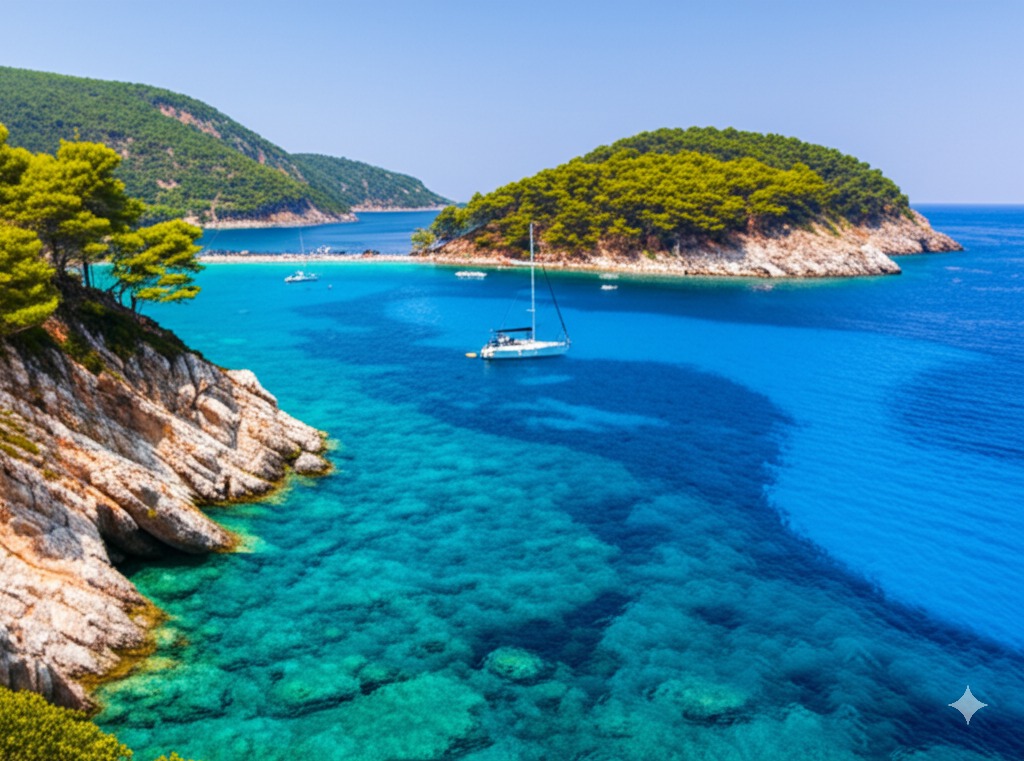
Corfu, known locally as Kerkyra, is a jewel in the Ionian Sea, off the northwest coast of Greece. This island captivates visitors with its diverse landscapes, rich history, and a unique cultural blend shaped by centuries of Venetian, French, and British rule. From the elegant architecture of Corfu Town to the dramatic coastline, olive-clad hills, and secluded beaches, Corfu offers a multifaceted travel experience. It's an island where ancient myths intertwine with vibrant local traditions, delicious cuisine, and opportunities for both relaxation and adventure. Whether you're exploring UNESCO World Heritage sites, hiking through stunning nature, or simply unwinding by the azure waters, Corfu promises an unforgettable Greek island escape.
Introduction/Synopsis
Corfu is the second largest of the Ionian Islands and one of the most cosmopolitan. Its strategic location at the entrance of the Adriatic Sea has given it a tumultuous but fascinating history, evident in its impressive fortifications and the architectural styles of its main town. Unlike much of Greece, Corfu was never conquered by the Ottomans, leading to a distinct cultural heritage with strong influences from its European rulers. The island boasts a varied topography, from the mountainous north dominated by Mount Pantokrator, to the flatter, greener south. Its coastline is incredibly diverse, featuring long sandy stretches, secluded pebble coves, dramatic cliffs, and vibrant turquoise waters. Beyond its natural beauty, Corfu is known for its warm hospitality, lively festivals, and unique culinary traditions, making it a truly captivating destination that blends history, culture, and stunning Mediterranean scenery.
Top Things to Do in Corfu
Corfu offers a wealth of activities catering to diverse interests, ensuring there's something for everyone:
- Explore Corfu Old Town: Wander through the labyrinthine narrow streets (kantounia), soak in the atmosphere of the large Spianada Square, admire the French-designed Liston arcade, and discover hidden churches and charming cafes. The Old Town is a UNESCO World Heritage site, a living museum reflecting centuries of history and architectural influences.
- Visit the Old and New Fortresses: Explore the impressive Venetian fortifications that guarded the town for centuries. The Old Fortress (Palaio Frourio), built on a rocky peninsula, offers panoramic views of the town and sea. The New Fortress (Neo Frourio) is equally imposing with its complex network of walls and passages.
- Relax on Corfu's Diverse Beaches: With a coastline stretching over 200 km, Corfu boasts an incredible variety of beaches. Spend days swimming, sunbathing, and enjoying watersports on popular sandy beaches or seek out secluded bays for tranquility.
- Take a Boat Trip: Discover hidden coves, sea caves, and the stunning coastline from the water. Day trips to the nearby islands of Paxos and Antipaxos, famous for their mesmerizing blue caves and pristine beaches, are a popular choice.
- Discover Paleokastritsa: Visit this famously picturesque area on the northwest coast, known for its dramatic cliffs, beautiful bays, and the historic Monastery of Paleokastritsa perched on a hill overlooking the sea.
- Hike or Walk: Explore the island's lush interior and stunning coastal paths. The long-distance Corfu Trail traverses the entire island, offering challenging treks, while numerous shorter routes lead through olive groves, traditional villages, and scenic viewpoints.
- Indulge in Corfiot Cuisine: Sample unique local dishes influenced by Italian and Greek traditions, such as Sofrito, Pastitsada, and Bourdeto. Enjoy fresh seafood at seaside tavernas and explore local markets for regional products.
- Visit Achilleion Palace: Step into the former summer retreat of Empress Elisabeth of Austria (Sisi), a beautiful palace inspired by Greek mythology, offering stunning gardens and sea views (note: interior may be undergoing restoration).
- Explore Traditional Villages: Venture inland or to the quieter coastal areas to discover charming traditional villages, experience local life, and enjoy authentic hospitality away from the main tourist hubs.
Top Sights in Corfu
Corfu is home to numerous iconic sights that showcase its history, culture, and natural beauty:
- Corfu Old Town: The heart of the island's cultural heritage, the Old Town is a captivating blend of architectural styles. Key areas include the Spianada (Greece's largest square), the Liston (resembling Paris's Rue de Rivoli), and the intricate network of narrow alleyways. Its designation as a UNESCO World Heritage site in 2007 highlights its outstanding universal value.
- The Old Fortress (Palaio Frourio): Dominating the eastern side of Corfu Town, this Venetian fortress is built on a double-peaked hill. Its imposing walls, bastions, and the Church of St. George within its grounds offer a journey through history and provide unparalleled views. Built initially on the site of the Byzantine capital's acropolis, its current form largely dates from the Venetian period.
- The New Fortress (Neo Frourio): Located overlooking the old port, this equally formidable fortress is a masterpiece of Venetian military engineering. Its complex structure includes underground passages, fortifications, and a commanding viewpoint.
- Pontikonisi (Mouse Island) and Vlacherna Monastery: This instantly recognizable scene near Kanoni is one of Corfu's most photographed spots. A causeway leads to the Vlacherna Monastery, a charming white chapel on a tiny islet, with the even smaller, cypress-covered Pontikonisi islet just beyond it (accessible by a short boat ride). Legend connects Pontikonisi to Odysseus's transformed ship.
- Achilleion Palace: Located in the village of Gastouri, this neoclassical palace was built in 1890 for Empress Elisabeth of Austria. Dedicated to the Greek hero Achilles, it features statues and artwork related to the myth. The extensive gardens offer stunning views across the surrounding landscape and the sea.
- Paleokastritsa Monastery: Perched dramatically on a rocky promontory above the bay of Paleokastritsa, this 13th-century monastery dedicated to the Virgin Mary offers incredible views of the coastline and surrounding bays. It is still inhabited by monks and features a small museum.
- Canal d'Amour (Sidari): Located in the resort of Sidari on the northwest coast, this unique geological formation consists of sandstone cliffs forming a series of coves and channels. The most famous channel, the Canal d'Amour, is said to grant eternal love to couples who swim through it. The distinctive rock formations are a popular spot for swimming and exploring small sea caves.
- Mount Pantokrator: The highest peak in Corfu, offering breathtaking panoramic views of the entire island, the sea, mainland Greece, and Albania from its summit. A monastery is also located at the top. Reaching the summit can be done by car or as part of a challenging hike.
- Mon Repos Palace: Located near Corfu Town, this neoclassical villa served as a summer residence for the Greek royal family and was the birthplace of Prince Philip, Duke of Edinburgh. It is set within a beautiful park and now houses a museum with archaeological findings from the ancient city of Corfu located nearby.
Top Experiences
Beyond the major sights, Corfu offers unique experiences that allow for deeper engagement with the island's culture and natural beauty:
- Get Lost in the Kantounia: Spend hours wandering without a map through the narrow, winding alleyways of Corfu Old Town. Discover hidden squares, traditional workshops, and feel the historical layers of the city.
- Enjoy a Coffee or Kumquat Liqueur on the Liston: Relax at one of the cafes along the elegant Liston promenade in Spianada Square, observing local life and soaking in the Venetian-influenced architecture. Don't forget to try the local kumquat liqueur, a specialty of Corfu.
- Take a Cooking Class: Learn to prepare traditional Corfiot dishes using fresh local ingredients. Several schools and tavernas offer classes that provide insight into the island's unique culinary heritage.
- Go Scuba Diving or Snorkeling: Explore the rich underwater world of the Ionian Sea. Corfu offers numerous dive sites with reefs, caves, and even shipwrecks. Snorkeling is easily accessible from many beaches, allowing you to spot colorful fish and perhaps even a sea turtle.
- Experience Corfu's Easter: If you visit during Orthodox Easter, you'll witness unique and vibrant traditions, particularly in Corfu Town. The famous "Botides" custom on Holy Saturday, where residents throw clay pots from their balconies, is a spectacular and unforgettable event.
- Attend a Local Festival (Panigiri): Throughout the summer months, many villages host traditional festivals celebrating patron saints or local produce. These events feature live music, traditional dancing, local food, and a lively atmosphere, offering a glimpse into authentic Corfiot culture.
- Visit a Traditional Olive Press or Winery: Learn about the island's agricultural heritage. Corfu is covered in olive groves, and visiting a traditional olive press (some are museums) provides insight into olive oil production. The island also has vineyards producing local wines.
- Sail the Coastline: Charter a small boat (even without a license for smaller vessels) or join a sailing tour to explore secluded bays and beaches along the stunning coastline that are inaccessible by road, offering a different perspective of the island's beauty.
Outdoor Attractions
Corfu's lush landscape and diverse terrain make it a fantastic destination for outdoor enthusiasts:
- The Corfu Trail: This long-distance walking route spans approximately 220 km, traversing the island from south to north. It passes through varied landscapes, including olive groves, cypress forests, traditional villages, coastal paths, and rugged mountainsides. It can be completed in sections or as a challenging multi-day trek, offering an immersive experience of the island's natural beauty.
- Mount Pantokrator: Beyond the summit viewpoint, the area around Mount Pantokrator offers hiking trails through traditional mountain villages and stunning natural scenery.
- Beaches for Water Sports: Numerous beaches around the island, particularly larger ones like Glyfada, Sidari, and Paleokastritsa, offer facilities for various water sports, including windsurfing, paddleboarding, kayaking, jet skiing, and parasailing.
- Coastal Walking Paths: Even if you don't tackle the full Corfu Trail, many scenic coastal paths offer opportunities for pleasant walks with beautiful sea views.
- Inland Villages and Countryside: Explore the rolling hills covered in ancient olive trees, wander through traditional inland villages like Old Perithia (a fascinating abandoned village), and enjoy the tranquility of the Corfiot countryside.
- Capes and Viewpoints: Visit dramatic capes like Cape Drastis in the northwest for unique geological formations and stunning sea views. Various viewpoints across the island, such as Kaiser's Throne near Pelekas, offer panoramic vistas.
- Nature Reserves and Wetlands: Areas like the Korission Lake in the south are important wetland habitats, attracting migratory birds and offering opportunities for nature observation.
- Sea Caves: Explore sea caves along the coastline, particularly around Paleokastritsa and Sidari, often accessible by small boat tours.
Museums in Corfu
Corfu has a rich history and cultural heritage reflected in its various museums, located primarily in Corfu Town:
- Archaeological Museum of Corfu: Houses important artifacts found during excavations on the island, ranging from prehistoric times to the Roman era. Its most famous exhibit is the impressive Gorgon pediment from the Temple of Artemis, a significant piece of Archaic Greek sculpture.
- Museum of Asian Art: Uniquely located in the Palace of St. Michael and St. George in the Old Town, this museum is the only one in Greece dedicated to the art of Asia. It houses a remarkable collection of Chinese, Japanese, and other Asian artifacts, reflecting historical diplomatic and trade connections.
- Byzantine Museum of Antivouniotissa: Housed in the beautiful 15th-century Antivouniotissa Church, this museum showcases a significant collection of Byzantine and Post-Byzantine icons and religious art from Corfu and the Ionian Islands, spanning several centuries and illustrating the evolution of Orthodox Christian art.
- Serbian Museum of Corfu: Dedicated to the Serbian soldiers who found refuge in Corfu during World War I. It houses artifacts, photographs, and documents telling the poignant story of their time on the island.
- Folkloric Museums: Smaller museums in villages like Sinarades offer insights into traditional Corfiot rural life, showcasing household items, tools, and costumes from the past.
- Banknote Museum: Located in the former Ionian Bank building, this museum displays a fascinating collection of Greek currency from 1828 to the present day, offering a unique perspective on modern Greek history.
- Mon Repos Museum: Located in the former royal villa, this museum exhibits archaeological finds from the ancient city of Corfu, which was located within the surrounding park, as well as artifacts related to the history of the villa itself.
Beaches In Corfu
Corfu's coastline offers a stunning variety of beaches, each with its own appeal, from lively resorts to secluded natural bays:
- Paleokastritsa Beaches: This area on the northwest coast is famous for its multiple picturesque bays with cool, clear waters, framed by dramatic cliffs and lush greenery. The main beach is popular, while smaller coves like Agios Spyridonas and Ampelaki offer beautiful swimming and snorkeling opportunities.
- Glyfada Beach: Located on the west coast, south of Paleokastritsa, Glyfada is a long, wide sandy beach backed by hills. It's very popular and well-organized with sunbeds, umbrellas, beach bars, and watersports.
- Myrtiotissa Beach: Often considered one of the most beautiful beaches, located on the west coast. It's a sandy beach backed by imposing cliffs, known for its crystal-clear waters. It has a relaxed, bohemian atmosphere and is also known as a nudist-friendly beach.
- Agios Gordios Beach: A long sandy beach on the southwest coast, surrounded by impressive rock formations and lush vegetation. It's a popular resort with plenty of amenities, including tavernas, bars, and watersports.
- Sidari Beaches & Canal d'Amour: Sidari in the northwest is known for its sandy beaches and the unique geological formations of the Canal d'Amour area, offering distinct coves and channels for swimming and exploration.
- Rovinia Beach: A secluded, non-organized pebble beach near Paleokastritsa, accessible by foot or boat. It's known for its stunning turquoise waters and natural, unspoiled beauty.
- Issos Beach: A long, wide sandy beach in the south, known for its shallow waters, dunes, and often breezy conditions, making it popular for windsurfing and kitesurfing.
- Barbati Beach: A beautiful pebble beach on the northeast coast, known for its crystal-clear waters ideal for snorkeling and diving, backed by lush hillsides.
- Kavos Beach: Located in the far south, Kavos is famous as a lively resort town popular with young visitors seeking vibrant nightlife and a busy sandy beach with plenty of bars and watersports.
Historical Places Corfu
Corfu's history is etched into its landscape and architecture, offering numerous fascinating historical sites:
- Corfu Old Town Fortifications: The Old Fortress (Palaio Frourio) and New Fortress (Neo Frourio) are prime examples of Venetian military architecture and the island's strategic importance. Their history dates back through Byzantine times.
- Ancient City of Corfu (Paleopolis): Located in the Mon Repos park area, the ruins of the ancient city of Corfu date back to the 8th century BC. Excavations have revealed parts of the ancient agora, temples (including the significant Temple of Artemis), and other structures, offering a glimpse into the island's classical past.
- Achilleion Palace: A historical site from the late 19th century, reflecting the taste and interests of Empress Elisabeth of Austria and later Kaiser Wilhelm II.
- Mon Repos Palace: A historical residence that has hosted royalty and now serves as a museum and a site within the ancient city.
- St. Spyridon Church: Located in the Old Town, this church is a major religious landmark dedicated to Saint Spyridon, the patron saint of Corfu. Its distinctive bell tower is a prominent feature of the skyline, and the church holds significant religious relics and history.
- Byzantine Churches: The Old Town and other areas of Corfu are home to numerous Byzantine and Post-Byzantine churches, many housing valuable icons and frescoes, reflecting the island's long Christian history.
- Old Perithia: Considered the oldest village in Corfu, nestled in the mountains. It was largely abandoned in the mid-20th century but its stone houses, old churches, and tranquil atmosphere offer a captivating look into the island's rural past.
- Kassiopi Castle: The ruins of a Byzantine castle located in the charming village of Kassiopi in the northeast, offering historical interest and lovely views over the harbor.
Boat Trips and Day Trips
Given its island nature and proximity to other beautiful locations, boat trips and day trips are a highlight of visiting Corfu:
- Paxos and Antipaxos Cruise: This is one of the most popular day trips from Corfu. Cruises depart from Corfu Town and take you south to the small islands of Paxos and Antipaxos. Highlights include visiting the stunning Blue Caves on Paxos (where the water glows a brilliant blue), swimming in the incredibly turquoise waters off the beaches of Antipaxos (often compared to the Caribbean), and exploring the charming main town of Gaios on Paxos.
- Blue Lagoon Trip: Shorter boat trips, often departing from areas like Paleokastritsa or Kavos, take visitors to nearby coves and the so-called "Blue Lagoon" areas along the Corfiot coastline, known for their exceptionally clear, blue waters ideal for swimming and snorkeling.
- Day Trip to Albania: Due to its close proximity, a day trip to the Albanian coast, particularly to the ancient city of Butrint (a UNESCO World Heritage site) and the coastal town of Saranda, is a feasible and interesting option offered by various tour operators.
- Exploring the Corfiot Coastline by Boat: Many companies offer full-day or half-day boat tours exploring specific sections of the Corfiot coastline, such as the northeast coast with its hidden coves and picturesque villages, or the dramatic cliffs of the west coast. You can also rent small boats to explore at your own pace (licenses not required for small engine sizes).
- Vidos Island: A short boat trip from the old port of Corfu Town takes you to the small, uninhabited islet of Vidos, which has a peaceful atmosphere, walking paths, and a historical Serbian Mausoleum.
When to Visit Corfu
Corfu enjoys a Mediterranean climate with hot, dry summers and mild, wet winters. The best time to visit depends largely on your preferences for weather, crowds, and activities:
- Peak Season (July and August): These are the hottest and sunniest months, with average daily temperatures often exceeding 30°C (86°F). The sea is warmest and perfect for swimming. This is the busiest time, with the largest crowds, highest prices for flights and accommodation, and the most lively atmosphere, particularly in the main resorts. Ideal for dedicated sunbathers, swimmers, and those seeking vibrant nightlife.
- Shoulder Seasons (May-June and September-October): These months offer a fantastic balance. The weather is warm and pleasant, with plenty of sunshine, but without the intense heat of mid-summer. The sea is warm enough for swimming. Crowds are significantly smaller than the peak season, leading to more relaxed sightseeing and better prices. May and June showcase the island at its greenest and most floral. September and October still offer lovely warmth, with the sea retaining its summer heat. This is arguably the best time for sightseeing, hiking, and enjoying the beaches without the summer rush. September also features some notable festivals.
- Spring (March-April): Spring sees the island awakening from winter. The landscape is lush and green, wildflowers are in bloom, and temperatures are mild (15°C-20°C / 59°F-68°F). While the sea may still be a bit cool for swimming for some, it's an excellent time for hiking and exploring the countryside and Old Town without any crowds. Corfu's Orthodox Easter celebrations, particularly in April, are a major cultural highlight.
- Winter (November-February): Winter is the low season, with milder temperatures (10°C-15°C / 50°F-59°F) and the highest chance of rain. Many tourist businesses close during this time. However, the island remains green and beautiful, offering a peaceful retreat. It's ideal for experiencing local life, enjoying quiet walks, and benefiting from lower prices, provided you are prepared for potential rain.
In Summary: For classic summer beach holidays and lively resorts, July-August is best if you don't mind crowds. For a balance of great weather, fewer crowds, and pleasant temperatures, May-June and September-October are highly recommended. Spring offers beautiful nature and cultural events with minimal crowds, while winter provides a quiet, authentic escape.
How to Reach[City Wise]
Reaching Corfu is straightforward, primarily by air or sea. "City-wise" access usually refers to getting to Corfu Town, the main hub.
By Air: Corfu International Airport "Ioannis Kapodistrias" (CFU) is the island's main airport.
- From within Greece: There are regular domestic flights from Athens International Airport (AIA) and Thessaloniki International Airport (SKG) to Corfu, operated by airlines like Aegean Airlines and Sky Express.
- From International Locations: During the tourist season (roughly April/May to October), numerous direct charter and scheduled flights connect Corfu with major cities across Europe. Airlines like Ryanair, EasyJet, British Airways, Jet2, and many others fly directly to CFU. Outside of the tourist season, direct international flights are limited, and travelers usually need to connect via Athens.
- Getting to Corfu Town from the Airport: The airport is located very close to Corfu Town (about 2-3 km south). You can reach the town center by local blue bus (Line 15), taxi, or pre-booked transfer.
By Ferry: Corfu is well-connected by ferry to mainland Greece and neighboring countries.
- From Mainland Greece: The most frequent ferry route is from Igoumenitsa on the northwestern Greek mainland. The crossing takes approximately 1.5 to 2 hours. There are also ferries, though less frequent, from Patras in the Peloponnese (a much longer journey).
- From Italy: Ferry services connect Corfu with several ports in Italy on the Adriatic coast, including Bari, Brindisi, Ancona, and Venice. These are overnight or longer journeys.
- From Albania: Due to proximity, there are also connections by ferry or hydrofoil from the Albanian port of Saranda to Corfu.
- Getting to Corfu Town from the Port: The main ferry port is located just west of Corfu Town center. It is within walking distance for some accommodations, or easily accessible by local bus, taxi, or transfer.
Getting Around Corfu Island:
- Public Buses (KTEL): Green public buses connect Corfu Town with towns and villages across the island, including popular resorts and beaches. Blue city buses operate routes within Corfu Town and its immediate surroundings. This is a budget-friendly way to explore, though schedules can be less frequent to more remote areas.
- Car and Scooter Rental: Renting a car or scooter is a popular option for exploring the island independently, allowing access to more secluded areas and offering flexibility. Rental agencies are available at the airport, port, and various tourist centers. Booking in advance is recommended, especially in peak season.
- Taxis: Taxis are available in Corfu Town and major resorts. They offer a convenient but more expensive mode of transport. Agree on the fare or ensure the meter is used.
- Boat Taxis/Excursions: Small boat taxis operate in some coastal areas (like Paleokastritsa) for reaching nearby beaches or caves. Excursion boats for day trips depart from Corfu Town and other harbors.
Corfu Food and Culture
Corfu's food and culture are a delightful fusion, heavily influenced by its historical ties, particularly with Italy, combined with traditional Greek elements.
Food (Cuisine): Corfiot cuisine is distinct from mainland Greek food, known for its rich flavors and unique dishes.
- Signature Dishes: Must-try local specialties include Sofrito (veal cooked slowly in a white wine, garlic, and parsley sauce, often served with mashed potatoes), Pastitsada (pasta with rooster or beef in a rich, spicy tomato sauce flavored with various spices like cinnamon, clove, and bay leaf), and Bourdeto (fish cooked in a spicy red sauce).
- Ingredients: The island's fertile landscape provides abundant fresh produce, and its extensive olive groves contribute to high-quality olive oil used generously in cooking. Fresh seafood is also a staple, prepared grilled, fried, or in stews.
- Sweets and Drinks: Try local sweets like Mandolato (nougat) and Pasteli (sesame bar with honey). The unique local product is the Kumquat, a small citrus fruit used to make liqueurs, sweets, and preserves.
- Dining: From traditional *tavernas* serving hearty local dishes to more upscale restaurants offering refined Greek and Mediterranean cuisine, there are dining options for all tastes and budgets. Enjoying a meal by the sea is a quintessential Corfiot experience.
Culture: Corfu's culture is a vibrant mosaic of Greek tradition with strong European influences, particularly Venetian.
- Music: Music holds a special place in Corfiot culture. The island has a strong tradition of philharmonic orchestras, and music is integral to festivals and daily life. The Italian influence is noticeable in the island's musical heritage.
- Architecture: The Venetian influence is most prominent in the architecture of Corfu Town, with its multi-story buildings, narrow streets, and arcades, resembling Italian cities. French and British elements are also visible in structures like the Liston and the Palace of St. Michael and St. George.
- Religion and Easter: Orthodox Christianity is central to life, and Easter is the most significant religious and cultural event, celebrated with unique customs and great fervor, especially in Corfu Town. The processions of the epitaphs on Good Friday and the pot-throwing tradition on Holy Saturday are renowned.
- Festivals (Panigiria): Throughout the year, but particularly in the summer, villages host traditional *panigiria*, lively local festivals celebrating patron saints with music, dancing, food, and wine, offering visitors a chance to experience authentic Corfiot community spirit.
- Arts and Education: Corfu has a history as a center of learning and the arts in Greece, being home to the first modern Greek university (Ionian Academy) and schools of fine arts and music. The Museum of Asian Art also highlights historical connections beyond Europe.
- Local Life: Despite tourism, traditional ways of life persist in the villages, centered around agriculture, fishing, and community gatherings. Engaging with locals provides insight into the island's enduring customs and warm hospitality.
Corfu is an island that truly offers something for everyone, blending stunning natural beauty, a rich and layered history, unique cultural traditions, and delicious cuisine into an unforgettable Mediterranean experience. Its distinct character, shaped by centuries of diverse influences, makes it a fascinating destination to explore.


