From tulip fields in the Netherlands to cherry blossoms in Japan, flowers have shaped the identity of many destinations across the globe. Our guide to places made famous by flowers highlights the most iconic floral landscapes, seasonal blooms, and cultural festivals that attract millions of visitors each year. Whether you’re a nature lover, photographer, or traveler seeking beauty, these flower-inspired destinations promise unforgettable experiences and breathtaking views.
Embark on a once-in-a-lifetime journey with our Busy Traveller’s Guide to private island hopping in Seychelles. Explore secluded beaches, crystal-clear waters, and vibrant marine life while enjoying luxury stays and effortless transfers. Whether you crave adventure or relaxation, this guide highlights the best islands, activities, and insider tips to maximize your time in paradise. Perfect for travellers who want to experience Seychelles’ beauty without missing a beat.
Unveil the wonders of the Western Ghats, a UNESCO World Heritage Site rich in biodiversity, culture, and natural beauty. From misty mountains and cascading waterfalls to ancient temples and vibrant wildlife sanctuaries, the Ghats offer unforgettable experiences for travelers. Perfect for nature lovers, adventure seekers, and heritage explorers, this guide highlights the best destinations, hidden gems, and unique attractions that make the Western Ghats one of India’s most treasured landscapes.

Embark on 10 of the most scenic coastal road trips in India, where endless ocean views meet vibrant culture and adventure. From the Konkan coast and East Coast Road to Kerala’s backwaters and Goa’s shoreline, each journey offers breathtaking beaches, charming towns, and memorable experiences. Perfect for families, bikers, and road trip enthusiasts, these coastal drives blend natural beauty, cultural richness, and the joy of exploring India’s spectacular coastline.
Hit the road this summer with 11 epic mountain drives across India. From the winding Himalayan passes to serene Western Ghats, these routes promise breathtaking views, cool escapes, and unforgettable adventures. Perfect for road trip lovers, families, and thrill-seekers, each drive blends natural beauty, cultural charm, and refreshing summer vibes. Discover hidden gems, panoramic landscapes, and the joy of driving through India’s most scenic mountain routes.
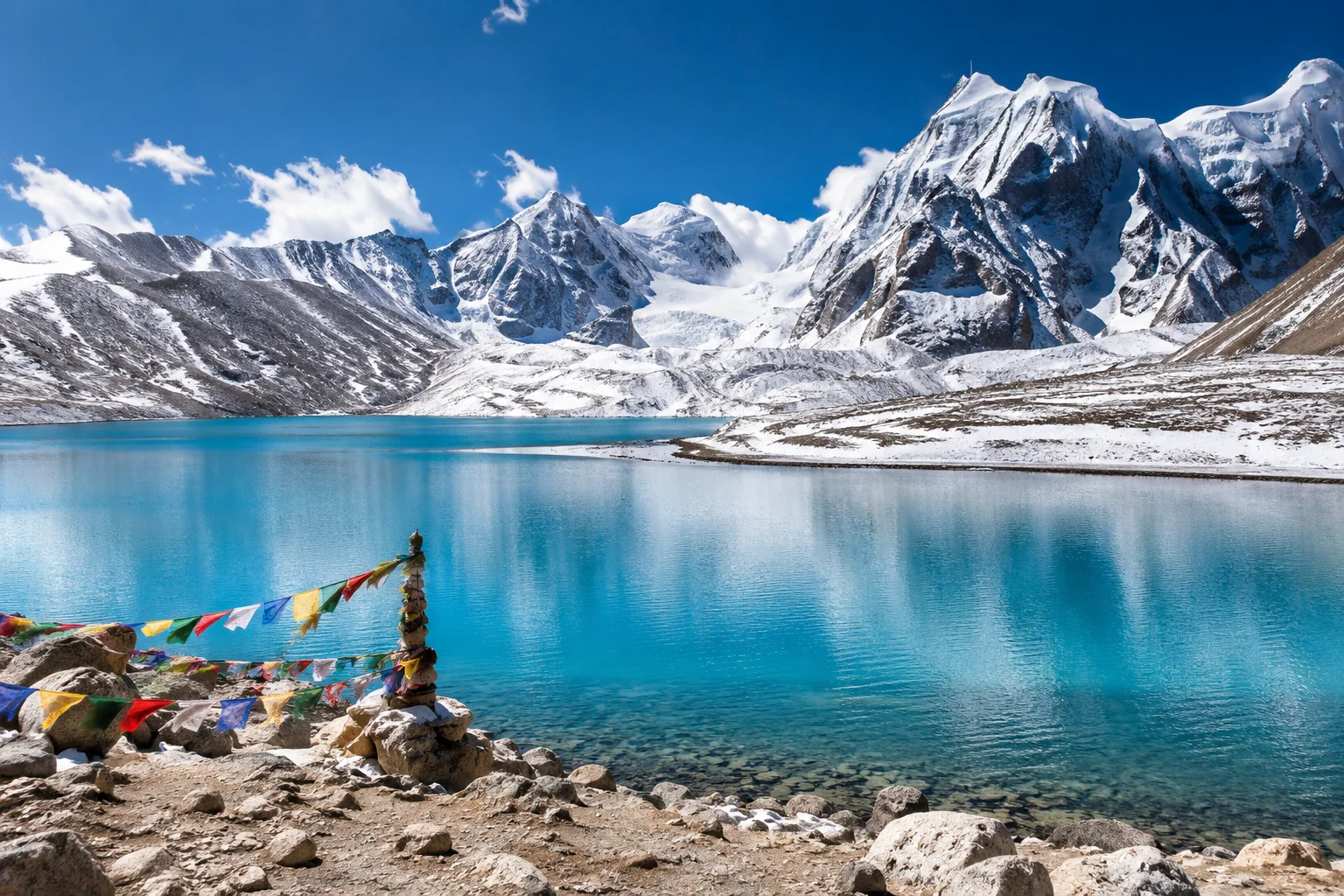
Escape to Ladakh for a meditation retreat that blends spiritual peace with breathtaking Himalayan landscapes. Surrounded by monasteries, high-altitude valleys, and serene lakes, these retreats offer yoga, mindfulness, and guided meditation for inner balance. Experience authentic Buddhist practices, connect with local culture, and rejuvenate your mind and body in the silence of the mountains. Perfect for seekers of wellness, spirituality, and transformative travel, Ladakh is your gateway to peace.