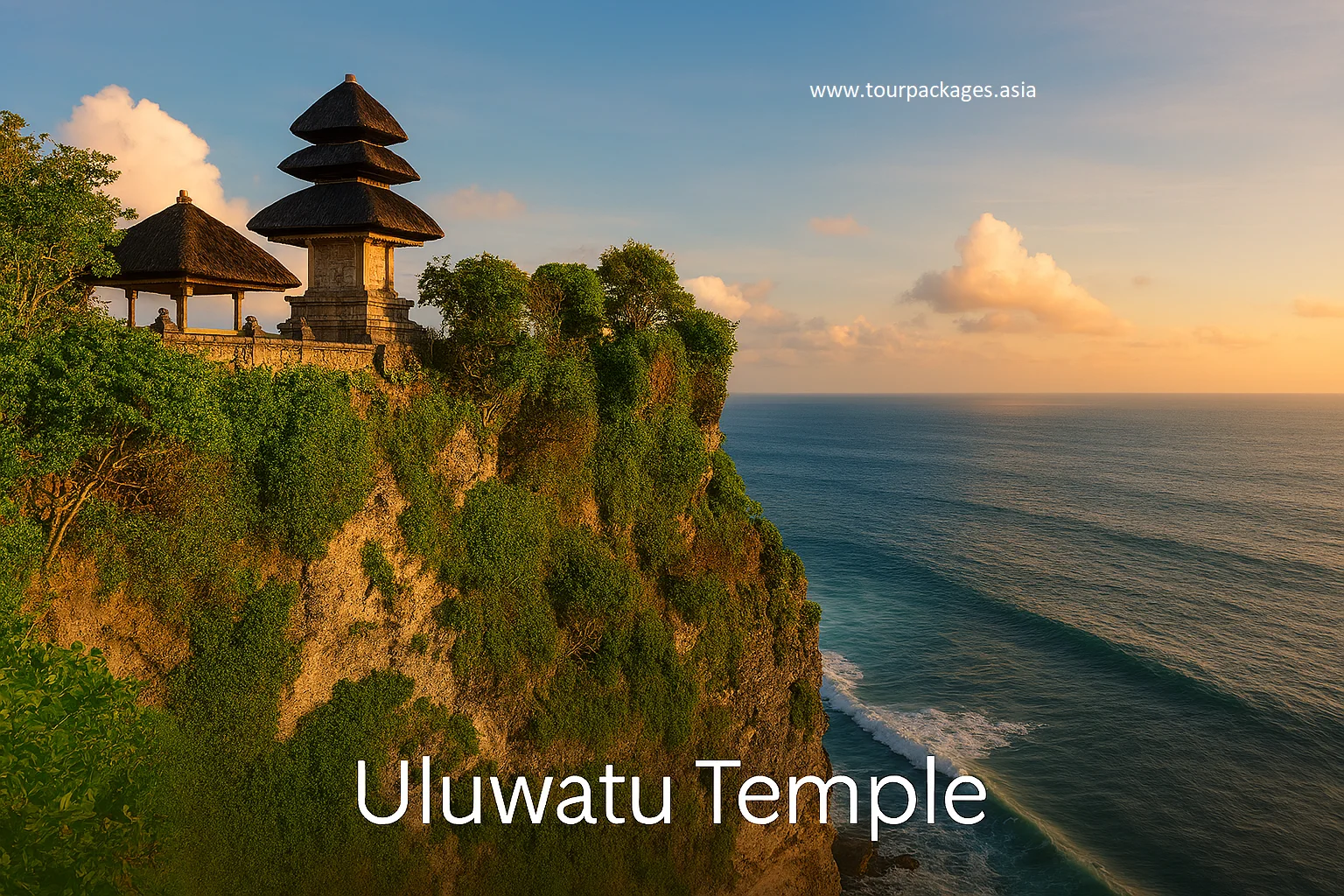
Uluwatu Temple Bali is one of the island’s most revered sea temples, perched dramatically on a cliff 70 meters above the Indian Ocean. Known for its breathtaking sunset views, sacred Balinese Hindu rituals, and the mesmerizing Kecak fire dance performance, Uluwatu Temple is a must-visit cultural and spiritual attraction. Visitors can explore the temple grounds, admire traditional architecture, and witness the harmony of nature and spirituality at this iconic Bali landmark.
#UluwatuTemple #BaliTravel #BaliCulture #SunsetViews
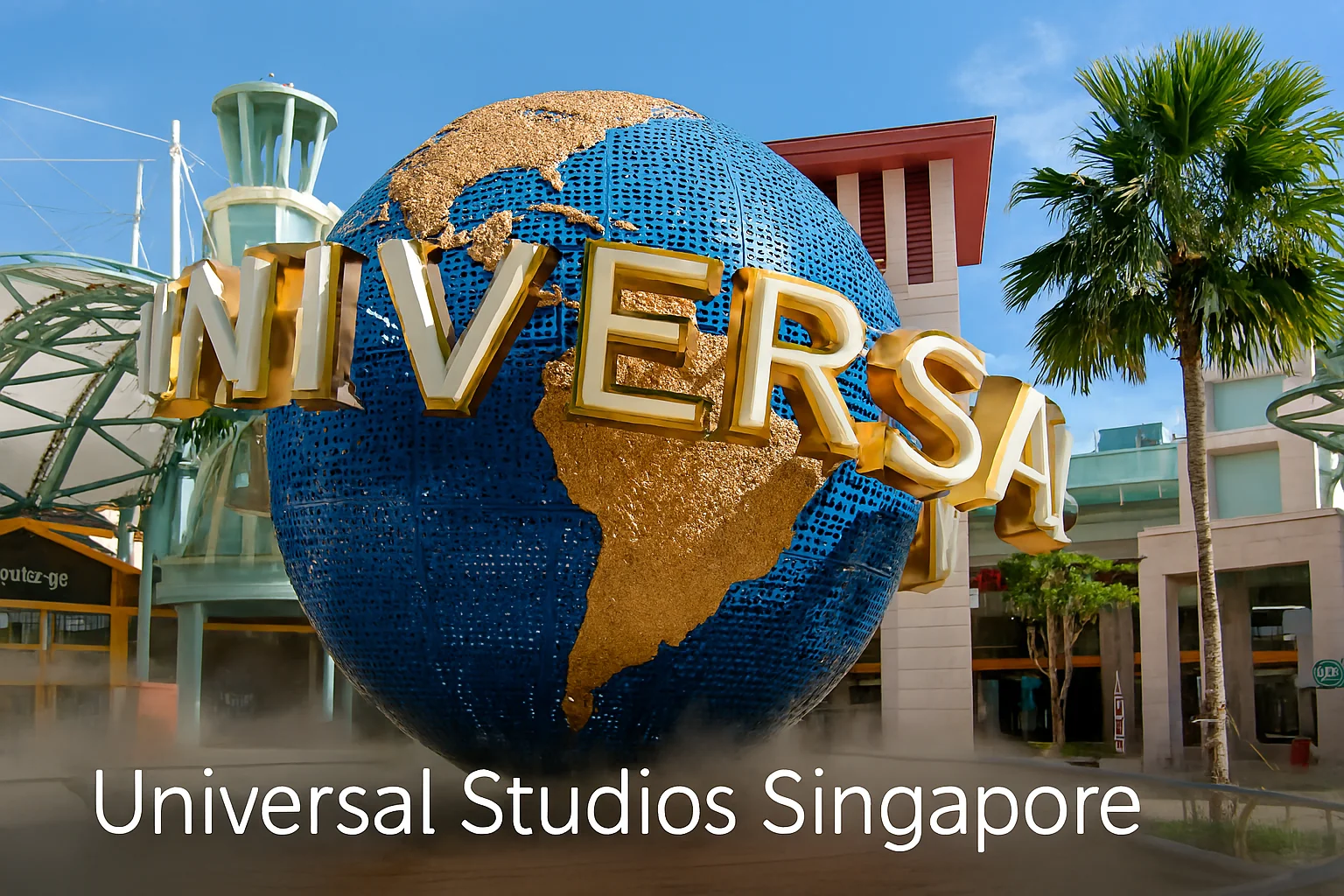
Universal Studios Singapore (USS) is Southeast Asia’s first and only Universal Studios theme park, located on Sentosa Island. Featuring Hollywood-inspired rides, thrilling roller coasters, immersive movie-themed zones, and spectacular live shows, it’s a must-visit destination for families, adventure seekers, and movie lovers. With attractions like Battlestar Galactica: HUMAN vs. CYLON, Transformers: The Ride, and Jurassic Park Rapids Adventure, USS offers unforgettable entertainment in Singapore.
#UniversalStudiosSingapore #SentosaIsland #SingaporeTravel #ThemeParkAdventure
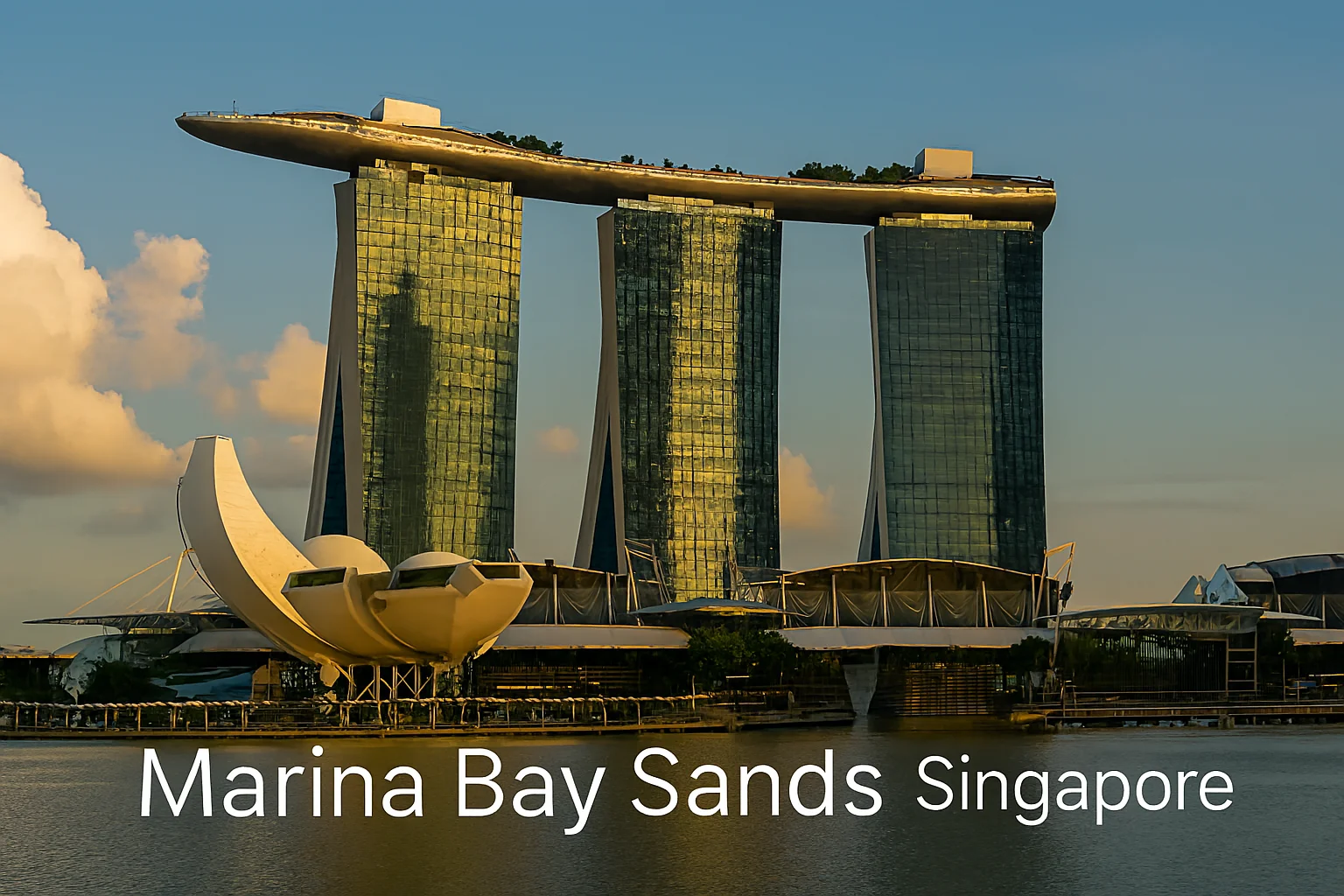
Marina Bay Sands Singapore is one of the world’s most iconic luxury destinations. Known for its SkyPark infinity pool, observation deck, and striking architecture, it offers panoramic views of Marina Bay and the Singapore skyline. Visitors can enjoy world-class restaurants, a vibrant casino, luxury shopping mall, and unforgettable nightlife experiences. Marina Bay Sands is not just a hotel – it’s a complete entertainment hub and a must-visit attraction in Singapore.
#MarinaBaySands #SingaporeTravel #LuxuryLifestyle #SkyPark

Gardens by the Bay is Singapore’s world-renowned nature park that redefines urban green spaces. Featuring the iconic Supertree Grove, the misty Cloud Forest, and the vibrant Flower Dome, it’s a futuristic oasis where nature meets innovation. Visitors can enjoy breathtaking light shows, explore themed gardens, and marvel at architectural wonders that showcase sustainability and biodiversity.
Don’t miss the dazzling Garden Rhapsody light show! #GardensByTheBay #SingaporeTravel #SupertreeGrove #EcoTourism
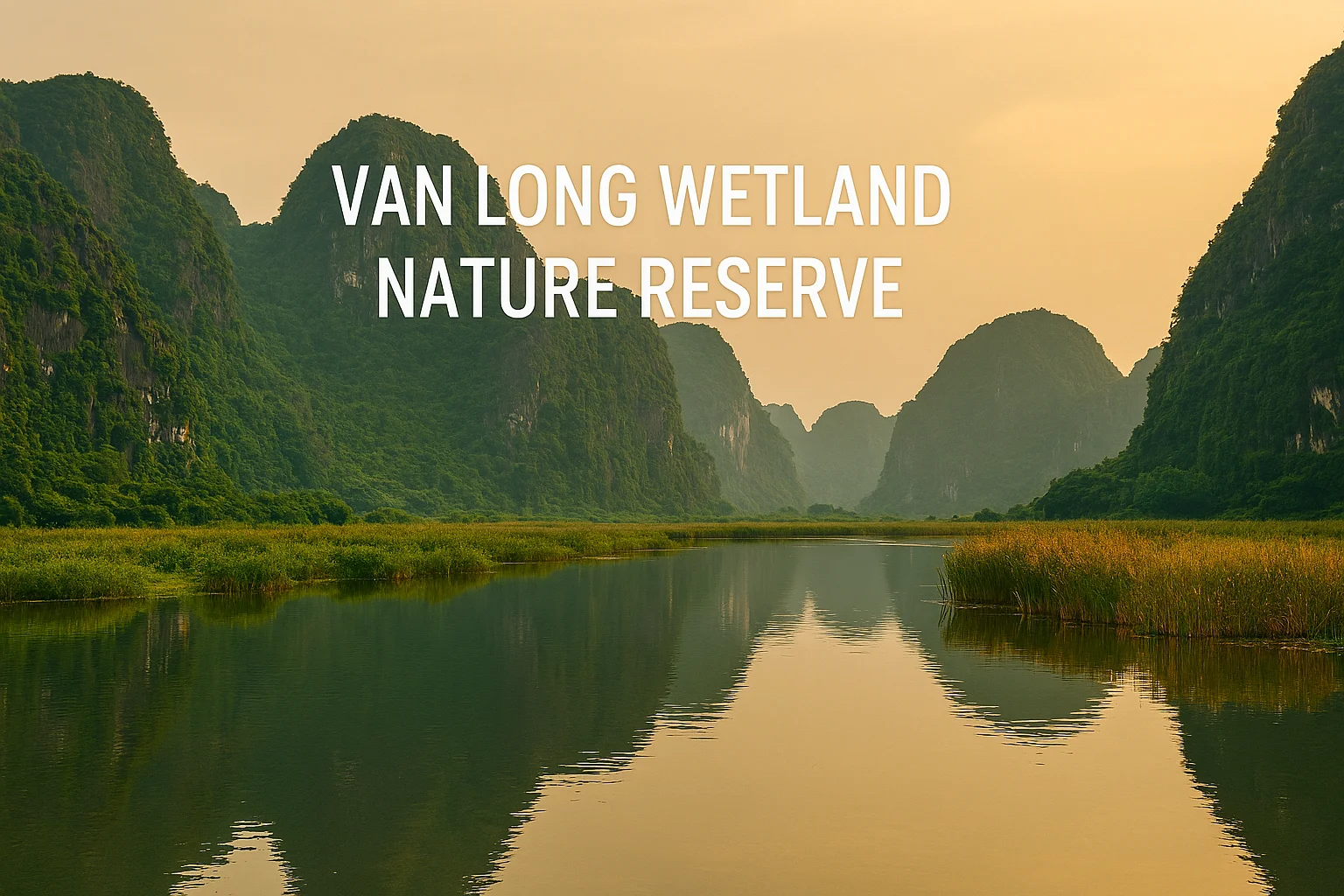
Van Long Wetland Nature Reserve in Ninh Binh, Vietnam is a breathtaking eco-destination often called the “wave-less bay” for its calm, mirror-like waters. Unlike the busier sites of Tam Coc and Trang An, Van Long offers a peaceful escape where travelers can enjoy scenic boat tours, spot rare wildlife such as the endangered Delacour’s langur, and marvel at towering limestone karsts reflected in tranquil wetlands. This hidden gem is perfect for eco-tourism, photography, and those seeking an authentic connection with Vietnam’s natural beauty. With its serene landscapes, diverse biodiversity, and cinematic views, Van Long Wetland is a must-visit attraction for anyone exploring Ninh Binh travel.
it’s perfect for boat tours, wildlife spotting, and breathtaking photography. #VanLong #NinhBinh #VietnamTravel #EcoTourism #HiddenParadise
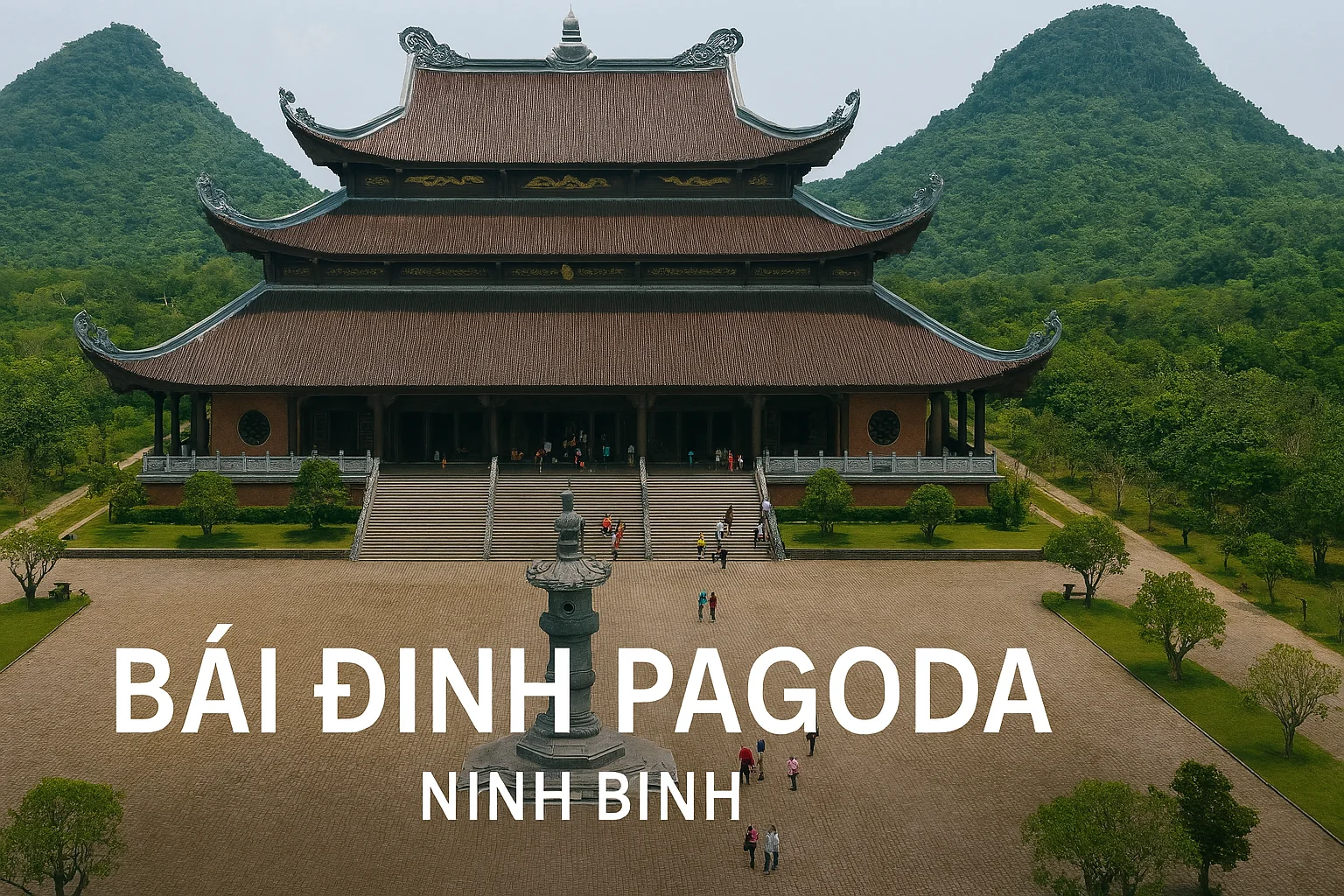
Bái Đính Pagoda in Ninh Binh Province is celebrated as Vietnam’s largest Buddhist temple complex, blending ancient heritage with modern grandeur. Nestled among limestone mountains, the pagoda features giant Buddha statues, thousands of Arhat sculptures, and sacred caves that have been places of worship for centuries. Visitors can experience spiritual pilgrimage, admire panoramic views of Trang An Landscape Complex, and explore the cultural depth of Vietnamese Buddhism. Whether you’re seeking religious significance, architectural marvels, or eco‑tourism in Ninh Binh, Bái Đính Pagoda offers an unforgettable journey.
A must‑visit for culture, history, and peace seekers.
#BaiDinhPagoda #NinhBinh #VietnamTravel #BuddhistTemple #SpiritualJourney #VietnamHeritage #TravelAsia #EcoTourism