SpiceJet has revamped its Dubai–Madurai flight schedule, strengthening air connectivity between the UAE and Tamil Nadu. The move is expected to boost tourism, improve passenger convenience, and deepen economic ties between South India and the Gulf region. With this update, Madurai’s international gateway gains momentum as a strategic hub for diaspora travel and regional growth.

Zimbabwe has unveiled the Zambezi Trader, a luxury river cruise redefining African tourism. Sailing along the Zambezi River and Lake Kariba, the vessel offers safari‑style experiences, eco‑luxury comfort, and cultural immersion. This launch positions Zimbabwe as a premium destination, blending breathtaking landscapes with sustainable travel innovation.
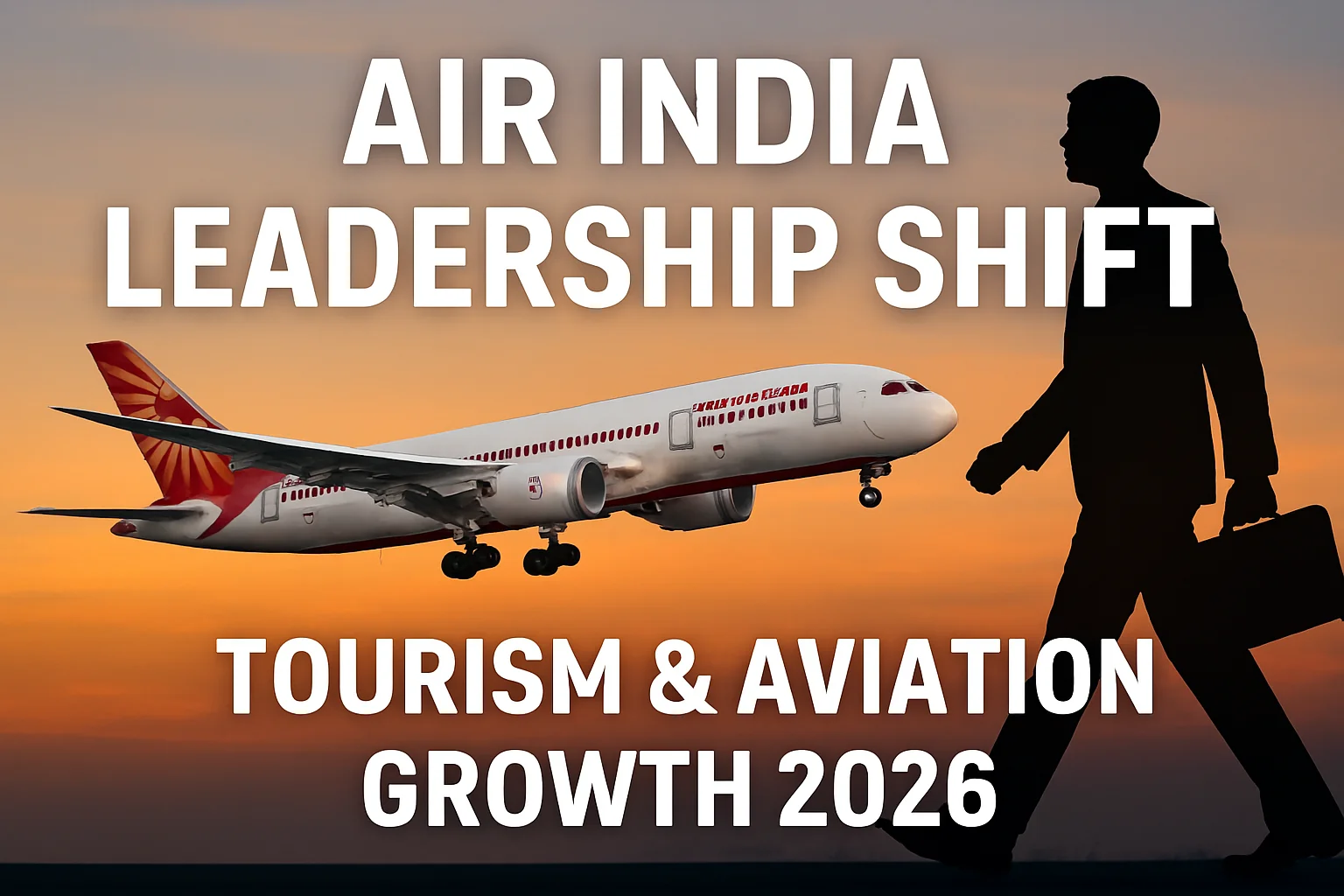
Aviation & Tourism Update – Jan 7, 2026 Air India is entering a transformative phase as new leadership is set to take the helm. With expanded global connectivity, fleet upgrades, and a renewed focus on operational efficiency, the transition is expected to boost inbound tourism and strengthen India’s global aviation footprint. Analysts see this as a shift from stabilization to long-term optimization—impacting both premium and budget airline segments.
Uttarakhand is stepping into the spotlight as India’s eco-tourism leader. A high-level committee in Dehradun has greenlit plans for new trekking routes, sustainable travel hubs, and a comprehensive trekking policy (due Jan 15). Inspired by models like Jabarkhet, the initiative focuses on preserving biodiversity while empowering local communities. Expect greener trails, richer cultural experiences, and a renewed commitment to responsible tourism.

Singaporeans are rewriting their travel maps. Instead of Tokyo, Paris, or Bangkok, 2026 is seeing a surge toward second‑city destinations like Guiyang (China), Padang (Indonesia), and Warsaw (Poland). Searches for Guiyang have jumped 316%, Padang by 141%, and Warsaw is gaining traction as an affordable European gem. The shift is driven by rising costs, destination fatigue, and a hunger for authentic, crowd‑free experiences.
Starting January 1, 2026, UAE residents visiting Georgia must present valid health and accident insurance upon arrival. The regulation is designed to protect tourists and locals, ensuring safety during medical emergencies while reducing strain on Georgia’s healthcare system. With visa‑free access, short flight times, and destinations like Tbilisi and Batumi, Georgia remains a top choice for UAE travelers—now with added peace of mind.