Tokyo, the vibrant capital of Japan, is a city that pulses with energy, innovation, and a fascinating blend of ancient traditions and futuristic marvels. It's a place where serene temple grounds sit just blocks away from towering skyscrapers, where quiet residential streets lead to bustling shopping districts, and where every corner offers a new discovery. As one of the world's largest and most dynamic metropolitan areas, Tokyo can seem immense, but with careful planning, you can navigate its complexities and dive deep into its captivating layers.
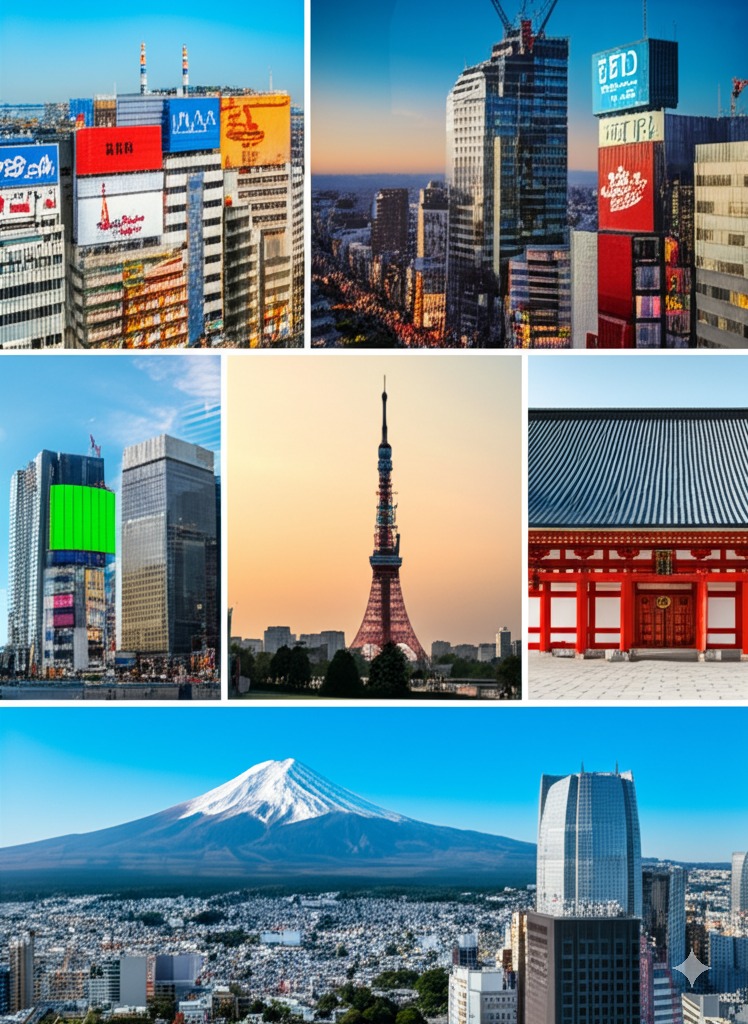
Introduction/Synopsis
Tokyo is more than just a city; it's a collection of diverse neighborhoods, each with its own distinct character and charm. From the historic temples of Asakusa to the fashion-forward streets of Harajuku, the business hub of Marunouchi, and the electric energy of Shinjuku, Tokyo offers an unparalleled urban experience. It's a global center for finance, fashion, technology, and culture, yet it remains deeply connected to its historical roots and cultural heritage, evident in its numerous temples, shrines, and traditional gardens nestled amidst the modern landscape. The city serves as the political and economic heart of Japan, driving trends and innovation while meticulously preserving its rich past.
A trip to Tokyo is an opportunity to indulge in world-class cuisine, from street food delights to exquisite fine dining, explore cutting-edge architecture that pushes the boundaries of design, immerse yourself in unique subcultures like anime and street fashion, visit renowned museums housing priceless art and historical artifacts, and experience the incredible efficiency and convenience of Japanese public transport, a marvel in itself. Whether you're seeking traditional experiences that offer a glimpse into Japan's history, modern marvels that showcase its future, or a bit of everything in between, Tokyo provides an endless array of possibilities for every type of traveler. This guide will help you uncover the best of Tokyo, from its iconic sights and hidden gems to practical tips for getting around, understanding local etiquette, and experiencing the city's vibrant food and nightlife scenes.
Top Things to Do in Tokyo
Tokyo offers an overwhelming variety of activities that cater to every interest. To truly capture the essence of the city, be sure to include these absolute must-dos in your itinerary. For a broader look at top things to do on your trip to Japan, explore our detailed guide.
- Experience the Shibuya Scramble Crossing: Stand at the edge of this world-famous intersection as hundreds, sometimes thousands, of pedestrians cross simultaneously from all directions when the lights change. It's a mesmerizing display of urban choreography and a quintessential Tokyo experience. You can observe the spectacle from the second-floor Starbucks in the Tsutaya building or from various vantage points around the square.
- Visit the Senso-ji Temple in Asakusa: Journey to Tokyo's historic heart and explore its oldest temple, a vibrant Buddhist complex dating back to the 7th century. Enter through the iconic Kaminarimon (Thunder Gate) with its massive red lantern, stroll along the bustling Nakamise-dori market filled with traditional snacks and souvenirs, and reach the main temple hall and the adjacent five-story pagoda.
- Explore the Imperial Palace East Garden: Discover a serene oasis in the city center on the former grounds of Edo Castle, the seat of the Tokugawa shogunate. This beautiful public garden features historical remnants like stone walls, guardhouses, and moats, offering a peaceful escape and a connection to Tokyo's feudal past. While the inner palace is generally not open to the public, the East Garden provides a significant historical and natural space.
- Ascend a Skyscraper for Panoramic Views: Gain perspective on the sheer scale of this vast metropolis from one of its many observation decks. Popular choices include the modern Tokyo Skytree, offering breathtaking 360-degree views from its high vantage points, the classic Tokyo Tower, which provides lovely views, especially at night, and the free observation decks at the Tokyo Metropolitan Government Building in Shinjuku, which offer excellent daytime views and the chance to see Mount Fuji on a clear day.
- Immerse Yourself in Akihabara: Dive into the electric town, a vibrant district that is the global center for anime, manga, gaming, and electronics. Explore multi-story arcades, browse specialty stores filled with collectibles and gadgets, visit themed cafes, and soak in the unique atmosphere that attracts otaku (ardent fans) from around the world.
- Stroll Through Harajuku: Experience Tokyo's unique youth culture, avant-garde fashion, and vibrant street style along Takeshita Street and the surrounding areas. Browse quirky boutiques, vintage shops, and international brands, and be sure to try some of the famous Harajuku street food like colorful crepes and giant cotton candy. The nearby Omotesando avenue offers a more upscale shopping experience.
- Explore the Diverse Neighborhoods: Dedicate time to wandering and getting lost in Tokyo's distinct districts. Shinjuku is a hub for business, shopping, and nightlife, home to the Metropolitan Government Building and Shinjuku Gyoen National Garden. Ginza is Tokyo's premier upscale shopping and dining district. Ueno offers a cultural concentration with numerous museums and a large park. Shimokitazawa has a bohemian, laid-back vibe with vintage clothing stores, cafes, and independent theaters. Each neighborhood offers a different slice of Tokyo life.
- Visit a Themed Cafe: Experience one of Tokyo's unique and often quirky themed cafes. Options range from popular animal cafes (cats, owls, hedgehogs, even sometimes reptiles) where you can interact with creatures while having a drink, to maid cafes, butler cafes, or spots themed around popular anime characters, robots, or specific concepts.
- Enjoy the Food Scene: Tokyo is a culinary paradise with an incredible range of dining options at every price point. From sampling exquisite sushi and sashimi at a high-end restaurant or a lively conveyor belt spot, slurping down a bowl of rich ramen, trying crispy tempura, or enjoying grilled skewers at an izakaya, the food is a major highlight. Don't hesitate to explore local eateries and try regional specialties.
- Relax in a Park or Garden: Find moments of tranquility amidst the urban hustle by visiting one of Tokyo's beautiful green spaces. Shinjuku Gyoen National Garden offers diverse landscapes, Ueno Park combines nature with cultural attractions, and the Imperial Palace East Garden provides a historical escape. These parks are particularly stunning during cherry blossom and autumn foliage seasons.
Top Sights in Tokyo
Tokyo is home to numerous iconic landmarks and places of interest that are instantly recognizable and draw visitors from around the globe. These sights offer a mix of modern marvels, historical landmarks, and cultural hubs. As one of the popular destinations you must visit in Japan, Tokyo offers a wealth of sights.
- Tokyo Skytree: Standing at 634 meters, this towering broadcasting and observation tower is one of Tokyo's most prominent modern landmarks. Its observation decks, Tembo Deck (350m) and Tembo Galleria (450m), offer unparalleled panoramic views of the sprawling city and beyond, making it a must-visit for stunning vistas.
- Tokyo Tower: Inspired by the Eiffel Tower, this bright orange and white communication and observation tower is a classic Tokyo landmark. While not as tall as the Skytree, its central location provides lovely views, and it's particularly iconic when illuminated at night.
- Senso-ji Temple: Located in the historic Asakusa district, this is Tokyo's oldest temple and a major cultural attraction. The approach through the Kaminarimon (Thunder Gate) and the lively Nakamise-dori market street, filled with traditional snacks and souvenirs, is part of the experience leading to the main temple hall and the adjacent five-story pagoda.
- Meiji Jingu Shrine: A peaceful Shinto shrine dedicated to Emperor Meiji and Empress Shoken, the figures who presided over Japan's modernization in the late 19th and early 20th centuries. The shrine is set within a large, tranquil forest created by donated trees from across Japan, offering a serene escape from the nearby hustle and bustle of Harajuku and Shibuya.
- Imperial Palace East Garden: The former inner grounds of Edo Castle, the seat of the Tokugawa shogunate for over 250 years. While the current Imperial Palace is the residence of the Emperor and not generally open to the public, the East Garden is a public park showcasing the impressive scale of the original castle's fortifications, moats, and historical structures.
- Shibuya Crossing: Often called the world's busiest intersection, this famous pedestrian scramble is a symbol of modern Tokyo's energy and dynamism. Watching the synchronized flow of people from above or joining the crowd is a unique urban experience.
- Ueno Park: A large public park in central Tokyo that serves as a cultural hub. It's home to several major museums (Tokyo National Museum, Tokyo Metropolitan Art Museum, National Museum of Nature and Science), Ueno Zoo, temples, shrines, and a large pond. It's a popular spot for relaxation, cultural exploration, and cherry blossom viewing in spring.
- Tokyo Metropolitan Government Building: Located in Shinjuku, this impressive architectural structure offers free panoramic observation decks on the 45th floor of both its towers. It provides excellent daytime views of the city, and on a clear day, you can see iconic landmarks like Mount Fuji, Tokyo Skytree, and Tokyo Tower.
- Tsukiji Outer Market: While the famous fish auction moved to Toyosu, the outer market in Tsukiji remains a vibrant and bustling area. It's a fantastic place to sample fresh seafood, try various street foods, browse kitchenware, and experience the lively atmosphere of a traditional Japanese market.
- Ghibli Museum (Mitaka): Located in Mitaka, a short train ride from central Tokyo, this magical museum is dedicated to the beloved animation works of Studio Ghibli, including films by Hayao Miyazaki. It's a must-visit for fans, offering immersive exhibits and a whimsical atmosphere (tickets must be purchased in advance, often months ahead).
Top Experiences
Beyond visiting the major sights, Tokyo offers a wealth of unique cultural and modern experiences that allow for deeper engagement with the city's distinct character:
- Attend a Robot Restaurant Show (Shinjuku - Note: The original Robot Restaurant has closed, but similar themed shows or entertainment venues may exist): While the famous Robot Restaurant is no longer operating, Tokyo's entertainment districts, particularly in Shinjuku and Roppongi, are known for unique and sometimes bizarre themed shows or entertainment venues. Research current options for a high-energy, visually overwhelming spectacle of lights, music, and performance.
- Sing Karaoke in Shinjuku or Shibuya: Experience the hugely popular Japanese pastime by renting a private room at one of the many multi-story karaoke establishments found throughout entertainment districts. It's a fun way to spend an evening with friends.
- Visit a Japanese Garden: Spend time in a meticulously designed traditional Japanese garden to appreciate the art of Japanese landscape architecture and find moments of tranquility. Recommended gardens include Rikugi-en (known for its scenic beauty), Kiyosumi Gardens (a traditional strolling garden), and the gardens within the Imperial Palace East Garden or Shinjuku Gyoen.
- Take a Japanese Cooking Class: Gain hands-on experience with Japanese cuisine by taking a cooking class. Learn to prepare classic dishes like sushi, ramen, tempura, or gyoza from local instructors, often including a market visit to learn about ingredients.
- Experience a Themed Izakaya: Tokyo has a fascinating array of themed izakayas (Japanese pubs) that offer unique dining and drinking experiences. Explore options with themes ranging from ninja or samurai to prison, hospitals, or specific anime/game worlds for a memorable and often quirky night out.
- Watch a Baseball Game: Experience the passion for baseball in Japan by attending a game for one of the local professional teams, such as the Yomiuri Giants or the Tokyo Swallows. The atmosphere is energetic and family-friendly, with unique cheering styles and stadium food.
- See a Sumo Wrestling Tournament or Morning Practice: If your visit coincides with one of the six annual Grand Sumo Tournaments (held in Tokyo in January, May, and September), try to get tickets for this unique cultural and sporting event. Alternatively, some sumo stables (heya) in areas like Ryogoku allow visitors to observe morning training sessions (asa-geiko), which requires advance arrangement and strict adherence to etiquette.
- Experience a Traditional Tea Ceremony: Participate in a serene and ritualistic tea ceremony (chanoyu or sado) to appreciate this important cultural practice that emphasizes mindfulness, aesthetics, and hospitality. Many places offer experiences for tourists, often including a brief explanation of the history and steps involved.
- Explore Tokyo's Art Scene: Dive into the city's thriving art scene by visiting its diverse museums and galleries. The Tokyo National Museum in Ueno Park houses a vast collection of Japanese and Asian art. The Mori Art Museum in Roppongi offers contemporary art exhibitions with stunning city views. The immersive digital art museums like teamLab Borderless and teamLab Planets provide unique and visually spectacular experiences.
- Go Shopping in Diverse Districts: Tokyo is a global shopping mecca with districts catering to every style and budget. Explore luxury brands and department stores in Ginza, trendy fashion and streetwear in Shibuya and Harajuku, electronics and anime goods in Akihabara, and vintage clothing and independent boutiques in Shimokitazawa. Department store food halls (depachika) are also a must-explore for gourmet foods and local delicacies.
Outdoor Attractions
While known for its urban density, Tokyo offers several beautiful outdoor spaces and natural areas that provide respite from the concrete jungle and opportunities for recreation and connecting with nature:
- Shinjuku Gyoen National Garden: A sprawling and beautifully landscaped park located near the bustling Shinjuku district. It features a harmonious blend of three distinct garden styles: Japanese Traditional, English Landscape, and French Formal. It's a popular spot for picnics, leisurely strolls, and enjoying seasonal flora, including stunning cherry blossoms in spring and colorful foliage in autumn.
- Ueno Park: One of Tokyo's largest and most popular public parks, combining cultural attractions with significant green space. Beyond its museums and zoo, the park offers wide pathways for walking, open areas for relaxation, and a large pond (Shinobazu Pond) where you can rent paddle boats. It's a lively hub, especially on weekends and during flower seasons.
- Imperial Palace East Garden: As the former inner citadel of Edo Castle, this historical site also functions as a peaceful public garden. Visitors can walk along the old moats and stone walls, explore the remains of historical structures, and enjoy the seasonal beauty of the carefully maintained grounds.
- Yoyogi Park: Located adjacent to Meiji Jingu Shrine and Harajuku, Yoyogi Park is one of Tokyo's largest city parks. It's a popular spot for locals to gather, especially on Sundays when it often features street performers, musicians, and various groups practicing hobbies. It offers wide-open lawns, forested areas, and walking paths, ideal for picnics, jogging, and people-watching.
- Mount Takao: Situated in the western part of the Tokyo metropolitan area, Mount Takao is a popular destination for a day trip focused on nature and hiking. Easily accessible by train, it offers various hiking trails ranging in difficulty, a cable car and chair lift for easier ascent, a temple complex (Yakuo-in), and panoramic views from the summit, including Mount Fuji on clear days. It provides a refreshing escape into nature without traveling far from the city.
- Inokashira Park: Located in Kichijoji in western Tokyo, this charming park centers around a large pond where you can rent paddle boats (including swan-shaped ones). It also features a small zoo, an aquarium, and is the home of the Ghibli Museum. It's a beloved local spot for relaxation and recreation.
Museums in Tokyo
Tokyo is a cultural powerhouse with a vast and diverse collection of museums covering everything from ancient history and traditional art to contemporary masterpieces and cutting-edge science.
- Tokyo National Museum: Located within Ueno Park, this is the largest museum in Japan and holds an extensive collection of Japanese art and artifacts, dating from ancient times to the Edo period. It also features significant collections of Asian art. Exploring its various buildings can take several hours, offering a deep dive into the region's artistic and historical heritage.
- Mori Art Museum: Situated on the 53rd floor of the Mori Tower in the modern Roppongi Hills complex, this museum focuses on contemporary art from Japan and around the world. Its exhibitions are often thought-provoking and cutting-edge, and the museum's location provides stunning panoramic views of the Tokyo skyline, especially at night.
- teamLab Borderless / teamLab Planets: These immersive digital art museums, located in the Odaiba area and Toyosu respectively, offer unique and highly popular interactive experiences. Visitors walk through vast spaces filled with projected digital art that responds to movement, creating a fluid and visually spectacular environment. Advance booking is highly recommended.
- Tokyo Metropolitan Art Museum: Also located in Ueno Park, this museum hosts a variety of special exhibitions throughout the year, showcasing both Japanese and international art across different periods and styles.
- National Museum of Nature and Science: Found in Ueno Park, this museum covers a wide range of topics related to natural history, science, and technology. It features exhibits on dinosaurs, the evolution of life, scientific principles, and technological advancements, appealing to visitors of all ages.
- Edo-Tokyo Museum (Currently closed for renovation): Located in Sumida Ward, this museum offers a fascinating journey through the history and culture of Tokyo (formerly known as Edo) from its origins in the 17th century to the present day. It features large-scale models, dioramas, and artifacts that vividly depict the city's transformation (check its official website for updates on reopening).
- Sumida Hokusai Museum: Dedicated to the life and work of the renowned ukiyo-e artist Katsushika Hokusai, famous for his woodblock print series "Thirty-six Views of Mount Fuji." The museum is located in the Sumida ward where Hokusai spent most of his life and houses a significant collection of his works.
- Ghibli Museum (Mitaka): While requiring a short trip outside central Tokyo to the city of Mitaka, this museum is a pilgrimage site for fans of Studio Ghibli animation. Designed by Hayao Miyazaki himself, it offers a whimsical and immersive experience into the world of films like "My Neighbor Totoro" and "Spirited Away." Tickets are highly sought after and must be purchased in advance.
Beaches In Tokyo
Tokyo, situated on Tokyo Bay, is not traditionally known as a prime beach destination for swimming and sunbathing in the same way as coastal resorts or tropical islands. The immediate coastline within the metropolitan area is largely developed with ports, industrial facilities, and reclaimed land. However, there are a few places that offer a coastal feel and recreational opportunities by the water:
- Odaiba Beach: An artificial sandy beach located in the modern Odaiba bay area. While swimming is generally prohibited due to water quality, it's a popular spot for a stroll, relaxing on the sand, enjoying views of the Rainbow Bridge and Tokyo skyline, and watching the sunset. The surrounding Odaiba area offers shopping malls, entertainment venues, and restaurants.
- Kasai Kaihin Park: Situated in eastern Tokyo, this large park features a beach area, a bird sanctuary, and an aquarium. The beach is artificial and primarily for recreation and enjoying coastal views rather than swimming. It offers a connection with nature and open space within the city limits.
For a true natural beach experience with opportunities for swimming in clear ocean waters, you would typically need to travel outside of central Tokyo. Popular options include coastal areas in neighboring prefectures like Kanagawa (e.g., Shonan beaches near Kamakura) or Chiba, or by taking a ferry or flight to the islands administered by Tokyo in the Pacific Ocean (like the Izu Islands or Ogasawara Islands), which require significant travel time. These offer beautiful natural beaches but require dedicated travel time.
Historical Places Tokyo
Despite significant destruction from earthquakes and World War II bombings, Tokyo has managed to preserve and rebuild several important historical sites that offer insights into its past as the shogunate capital, Edo, and its subsequent transformation into modern Tokyo.
- Senso-ji Temple (Asakusa): As Tokyo's oldest temple, founded in 645 AD, Senso-ji is a cornerstone of the city's historical landscape. The current structures are reconstructions, but the site's long history and vibrant atmosphere, especially the Nakamise-dori market leading to it, provide a strong connection to old Edo.
- Imperial Palace East Garden: This area was the site of the inner citadel of Edo Castle, the vast fortress from which the Tokugawa shoguns ruled Japan for over 250 years. While the main castle structures are gone, the impressive stone walls, moats, original gates (like Otemon), and guardhouses remain, offering a tangible link to the feudal era. The layout of the garden also follows the original castle plan.
- Meiji Jingu Shrine: Although relatively modern (completed in 1920), Meiji Jingu is a significant historical and cultural landmark. It is dedicated to Emperor Meiji and Empress Shoken, whose reign marked a pivotal period of modernization and opening to the West for Japan. The shrine and its surrounding forest represent a national effort to honor these figures and create a lasting natural tribute.
- Yanaka District: This charming residential area in northern Tokyo is one of the few parts of the city that largely escaped destruction during WWII. As a result, it retains a nostalgic, old-town atmosphere (shitamachi) with narrow streets, traditional wooden houses, numerous temples, and a local shopping street called Yanaka Ginza. It offers a glimpse into the daily life and architecture of Tokyo from a bygone era.
- Zojo-ji Temple: A large and historically significant Buddhist temple located near Tokyo Tower. It was the family temple of the Tokugawa shogunate and once stood within the grounds of Edo Castle. While many of its original buildings were destroyed, the main hall and the Sangedatsu Gate (one of the original structures) remain, along with the mausoleums of several Tokugawa shoguns.
- Fukagawa Edo Museum: Located in the Koto Ward, this indoor museum offers an immersive experience of life in Edo during the late Edo period. It features a full-scale recreation of a streetscape from the time, complete with houses, shops, and waterways, allowing visitors to step back in time and explore the daily life of ordinary people. (Note: Check for any operational updates).
- Kiyosumi Gardens: A beautiful traditional Japanese strolling garden in Koto Ward, originally part of a wealthy merchant's residence during the Edo period. It features a large pond with stepping stones, landscaped hills, and carefully placed trees and rocks, reflecting the aesthetic principles of Edo-era gardens.
Day Trips from Tokyo
Tokyo's extensive and efficient transportation network makes it an ideal base for exploring numerous fascinating destinations within a few hours' reach. Day trips offer a chance to experience different landscapes, historical sites, and cultural attractions outside the bustling metropolis:
- Hakone: A popular mountain resort town located in Kanagawa Prefecture, known for its stunning natural beauty and art museums. Easily accessible by train (Odakyu Line or Shinkansen to Odawara and then local transport), Hakone offers views of Mount Fuji across Lake Ashi, scenic boat rides, a volcanic hot spring area (Owakudani), and numerous museums, including the Hakone Open-Air Museum. It's a classic and rewarding day trip.
- Nikko: A UNESCO World Heritage site located in Tochigi Prefecture, renowned for its lavishly decorated shrines and temples set amidst beautiful natural scenery. The highlight is the Toshogu Shrine, the mausoleum of Tokugawa Ieyasu, featuring intricate carvings and vibrant colors. Nikko also offers natural attractions like Kegon Falls and Lake Chuzenji. It's accessible by Tobu Railway or JR trains.
- Kamakura: A coastal town in Kanagawa Prefecture that served as Japan's feudal capital in the 12th and 13th centuries. Kamakura is famous for its iconic Great Buddha statue (Kotoku-in Temple), numerous Zen Buddhist temples, and a more relaxed, historical atmosphere compared to Tokyo. It's a pleasant escape with a mix of history, culture, and seaside charm, easily reached by JR Yokosuka Line.
- Yokohama: Japan's second-largest city, located just south of Tokyo and easily accessible by various train lines. Yokohama offers a large and vibrant Chinatown, the futuristic Minato Mirai 21 waterfront district with its skyscrapers and attractions (like the Landmark Tower and Cosmo Clock 21 Ferris wheel), interesting museums (including the Cup Noodles Museum and the Silk Museum), and a pleasant bay area for strolling.
- Mount Fuji and the Fuji Five Lakes (Fujigoko): While seeing Mount Fuji from a distance is possible from Tokyo, a day trip to the Fuji Five Lakes region (Kawaguchiko, Yamanakako, Saiko, Shojiko, Motosuko) in Yamanashi Prefecture offers closer and often more spectacular views. Lake Kawaguchiko is the most accessible and popular, offering boat trips, museums, and charming lakeside towns. Access is typically by highway bus or train (requires transfers).
- Kawagoe: Located in Saitama Prefecture, Kawagoe is known as "Little Edo" because it retains a historical district with traditional clay-walled warehouses and merchant homes that evoke the atmosphere of Tokyo (Edo) from centuries past. It's a popular spot for a cultural day trip, offering a glimpse into historical Japanese townscapes and local crafts. Accessible by Tobu Tojo Line or Seibu Shinjuku Line.
- Enoshima: A small island off the coast near Kamakura, offering a mix of shrines, gardens, caves, and scenic views of the coastline and Mount Fuji on clear days. It's a popular spot for a relaxed day trip, often combined with a visit to Kamakura. Accessible by Enoden Line or Odakyu Line.
When to Visit Tokyo
Tokyo experiences a temperate climate with four distinct seasons, each offering a unique atmosphere and influencing the best time to visit based on your preferences and priorities.
- Spring (March to May): This is arguably the most popular time to visit Tokyo, largely due to the iconic cherry blossom (sakura) season. The blooming period typically occurs from late March to early April, transforming parks and streets into stunning pink and white landscapes. The weather is generally mild and pleasant, ideal for walking and sightseeing. However, expect large crowds at popular viewing spots and major attractions, and prices for flights and accommodation are at their highest, especially during the peak bloom and Golden Week (a series of national holidays from late April to early May).
- Summer (June to August): Summer in Tokyo is hot and humid, with the rainy season (tsuyu) typically lasting from early June to mid-July. Despite the heat and occasional rain, summer is a vibrant time filled with numerous lively festivals (matsuri) and spectacular fireworks displays (hanabi taikai). It's a great time to experience the energetic side of the city and enjoy summer-specific events. Temperatures can be quite high, so plan your activities accordingly and stay hydrated.
- Autumn (September to November): Another highly recommended season to visit, offering pleasant weather and beautiful scenery. The humidity drops, and temperatures are comfortable, making it excellent for sightseeing and exploring on foot. Autumn foliage (momiji) begins to appear in parks and gardens, typically peaking in November, creating stunning red, orange, and yellow landscapes. Crowds are still present but generally less intense than during cherry blossom season. September can occasionally see typhoons, which can disrupt travel.
- Winter (December to February): Winter in Tokyo is cold but often sunny and dry, with less rain than other seasons. While temperatures can drop below freezing, heavy snowfall in the city center is relatively rare. This is the low season for tourism (except around the New Year holiday), meaning fewer crowds at major attractions and potentially lower prices. It's a great time to enjoy cozy indoor activities, indulge in hot comfort food like ramen and oden, experience beautiful winter illuminations, and visit museums. For winter sports enthusiasts, areas outside Tokyo in the mountains offer excellent skiing and snowboarding.
In Summary: For iconic natural beauty (cherry blossoms or autumn leaves) and pleasant weather, Spring and Autumn are the best times but come with more crowds and higher costs. Summer is ideal for festivals, fireworks, and mountain/beach activities despite the heat and humidity. Winter offers fewer crowds and a different kind of beauty, perfect for indoor activities and enjoying hot springs. The shoulder months within Spring and Autumn (e.g., early March, late May, early September, late November) can offer a good balance.
How to Reach Tokyo
Tokyo is a major international gateway and is exceptionally well-connected to the rest of the world and within Japan. Reaching Tokyo is generally straightforward and efficient thanks to its world-class transportation infrastructure.
- By Air: Tokyo is served by two major international airports:
- Narita International Airport (NRT): Located in Chiba Prefecture, about 60-80 kilometers east of central Tokyo, NRT is the primary airport for many international flights. It's efficiently connected to the city center by several train services, including the fast and comfortable **Narita Express** (connecting to major stations like Tokyo, Shinjuku, Shibuya, and Ikebukuro), the more budget-friendly **Keisei Skyliner** (connecting to Ueno), and various local and rapid trains. Limousine buses also provide direct connections to many hotels and areas.
- Haneda Airport (HND): Located closer to central Tokyo (about 15-30 kilometers south), HND handles a mix of domestic and increasing international flights. It is very well-connected to the city center by the **Keikyu Line** (connecting to Shinagawa and beyond) and the **Tokyo Monorail** (connecting to Hamamatsucho, where you can transfer to JR lines). HND's proximity makes it a convenient option for many travelers.
- By Train (from within Japan): Tokyo is the central hub of Japan's renowned **Shinkansen (bullet train)** network. Major stations like **Tokyo Station** and **Ueno Station** serve as key terminals for various Shinkansen lines connecting Tokyo to cities across the country. You can easily reach Tokyo from destinations like Kyoto, Osaka, Hiroshima, Kanazawa, Sendai, and many others via these high-speed trains, which are known for their speed, comfort, and punctuality.
- By Bus: Long-distance highway buses (kosoku bus) connect Tokyo with numerous cities and regions throughout Japan. While significantly slower than the Shinkansen, they are a more budget-friendly option for inter-city travel. Major highway bus terminals are located in areas like Shinjuku and Tokyo Station.
- By Ferry: While less common for typical tourist travel to central Tokyo, ferry services connect Tokyo with some of Japan's islands, particularly the Izu Islands administered by Tokyo in the Pacific Ocean.
Getting from Narita or Haneda airports into central Tokyo is efficient thanks to the various train and bus options. Once in the city, the extensive and integrated public transport system makes navigating between neighborhoods and attractions incredibly easy.
Tokyo Food and Culture
Tokyo's food and culture scenes are incredibly rich, diverse, and constantly evolving, reflecting both deep-rooted Japanese traditions and a dynamic embrace of global influences. Exploring these aspects is a fundamental part of the Tokyo experience.
- Food: Tokyo is widely recognized as one of the world's premier culinary destinations, boasting an unparalleled number of Michelin-starred restaurants alongside countless casual eateries, food stalls, and unique dining experiences.
- Diverse Cuisine: You can find virtually every type of Japanese cuisine in Tokyo, prepared with exceptional skill and attention to detail. This includes exquisite sushi and sashimi, comforting bowls of regional ramen (each with its own distinct broth and toppings), crispy tempura, savory yakitori (grilled skewers), unagi (grilled eel), soba and udon noodles, and hearty donburi (rice bowls).
- Fine Dining to Street Food: Tokyo caters to all budgets and preferences. Experience the precision and artistry of a high-end sushi counter, enjoy a multi-course kaiseki (traditional Japanese haute cuisine) meal, slurp ramen at a bustling shop under the train tracks, sample fresh seafood at the Tsukiji Outer Market, or try various snacks from street food vendors at festivals or in areas like Asakusa and Harajuku.
- Izakaya Culture: Experiencing an izakaya (Japanese pub) is a quintessential part of Tokyo nightlife and dining. These casual establishments offer a wide variety of small dishes meant for sharing, along with alcoholic beverages like sake, shochu, beer, and highballs. They are perfect for a relaxed evening of food and drinks.
- Depachika: The basement food halls of department stores (depachika) are culinary paradises offering an incredible array of prepared foods, bento boxes, gourmet ingredients, sweets, and regional specialties. They are fantastic places to browse, sample, and pick up delicious meals or snacks.
- Culture: Tokyo is a fascinating blend of traditional and contemporary culture, where ancient practices thrive alongside cutting-edge trends.
- Traditional Arts: Experience traditional Japanese performing arts like the dramatic **Kabuki** theater, the classical **Noh** theater, or the intricate **Bunraku** puppet theater. Visit temples and shrines to observe traditional rituals and architecture. Participate in a serene **tea ceremony** to appreciate its history and philosophy.
- Pop Culture Hub: Tokyo is a global center for **anime, manga, gaming, and J-Pop**. Districts like Akihabara and Nakano Broadway are meccas for fans, filled with specialty stores, arcades, and themed cafes. The unique and often avant-garde **street style** of areas like Harajuku is a cultural phenomenon in itself.
- Museums and Galleries: The city has a thriving arts and museum scene, from the vast collection of Japanese and Asian art at the Tokyo National Museum to contemporary art at the Mori Art Museum and the immersive digital art experiences at teamLab.
- Subcultures: Tokyo is known for its diverse and vibrant subcultures, which often congregate in specific neighborhoods. Exploring these areas offers a glimpse into unique communities and lifestyles.
- Etiquette and Social Norms: While a modern and international city, understanding and respecting basic Japanese etiquette is important. This includes practices like removing shoes indoors, being mindful of noise levels on public transport, proper chopstick usage, and general politeness and consideration for others. Locals are generally understanding of tourists, but making an effort to follow these customs is appreciated.
Nightlife in Tokyo
Tokyo truly transforms after dark, offering a dynamic and incredibly varied nightlife scene that caters to every preference, from quiet and sophisticated to loud and energetic.
- Izakaya: As mentioned in the food section, izakayas are a central part of Tokyo's nightlife. They are found in virtually every neighborhood, offering a relaxed atmosphere for enjoying food and drinks into the late hours. From tiny, atmospheric spots tucked away on side streets to larger, more modern establishments, there's an izakaya for every mood.
- Bars: Tokyo's bar scene is incredibly diverse. Explore the atmospheric, often tiny bars packed into the narrow alleys of **Golden Gai** in Shinjuku for a unique, intimate drinking experience. Discover sophisticated **rooftop bars** in areas like Ginza and Roppongi offering stunning city views. Find themed bars, craft beer pubs, whiskey bars, and international lounges throughout the city.
- Karaoke: A hugely popular form of entertainment in Japan, karaoke centers are ubiquitous in entertainment districts like Shinjuku, Shibuya, and Ikebukuro. Rent a private room with your group, order drinks and snacks, and sing your heart out using their extensive song catalogs.
- Clubs: Tokyo has a vibrant and diverse club scene, particularly concentrated in areas like Shibuya, Shinjuku, and Roppongi. You can find clubs playing various genres of music, from electronic dance music to hip-hop, rock, and more. Some clubs stay open until the early morning.
- Live Music Venues: From large arenas hosting international acts to smaller "live houses" showcasing local bands and independent artists, Tokyo offers a wide range of live music options every night.
- Themed Entertainment: Beyond themed izakayas, Tokyo offers unique nighttime entertainment like the now-closed but legendary Robot Restaurant (check for similar current shows), themed cafes that operate into the evening, and arcades that are open late, particularly in areas like Akihabara and Shinjuku.
- Observation Decks: Many skyscraper observation decks, such as those at the Tokyo Skytree, Tokyo Tower, and the Mori Tower, remain open into the evening, offering breathtaking nighttime views of the illuminated city, a truly spectacular sight.
- Late-Night Dining: Many restaurants, especially in entertainment and business districts, are open late, allowing you to enjoy delicious meals after a night out. Ramen shops, izakayas, and some international restaurants are often open until the early morning.
Tokyo's nightlife is as multifaceted as the city itself, offering endless possibilities for evening entertainment, whether you're looking for a quiet drink, a lively party, a unique cultural experience, or simply enjoying the illuminated beauty of the city after dark.
Planning your trip to Tokyo is an adventure in itself. This city of contrasts promises an unforgettable journey through a world where tradition and modernity not only coexist but thrive together, offering endless opportunities for exploration, discovery, and immersion in a truly unique culture. From its iconic landmarks and hidden gems to its incredible food, vibrant nightlife, and rich cultural tapestry, Tokyo is a destination that will captivate and inspire you at every turn.


