
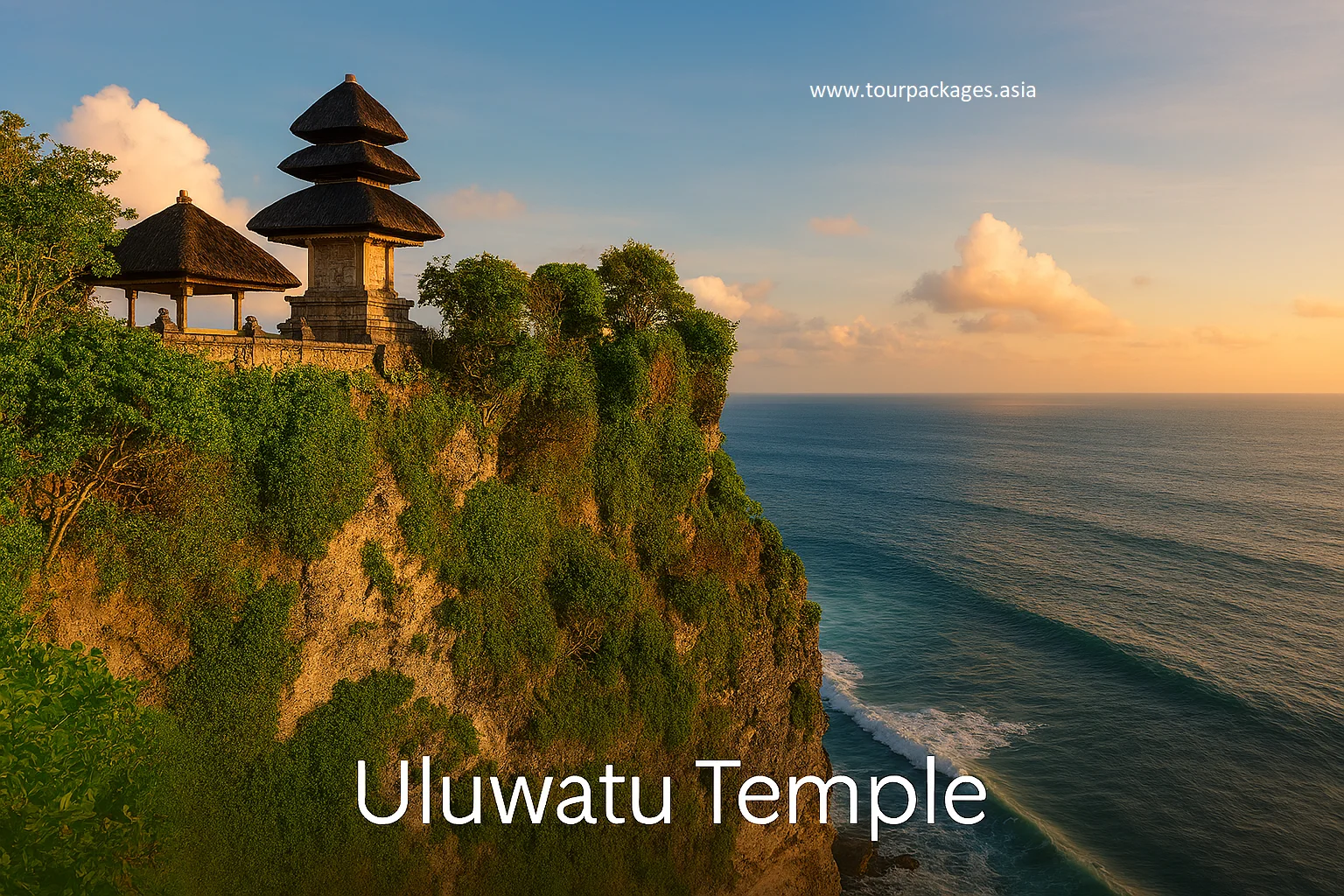
A cliffside sunset, crashing waves, and a hypnotic fire dance — this is Bali at its most magical. Perched dramatically above the Indian Ocean, the Uluwatu Cliff Sunset & Kecak Dance experience is one of Bali's most unforgettable attractions, where golden sunsets meet ancient Balinese culture in perfect harmony. As the sky transforms into vibrant hues of orange, pink, and purple, visitors gather at the open-air amphitheater to witness the powerful rhythms of the traditional Kecak fire dance, a cultural performance that has captivated audiences for generations.
The iconic Uluwatu Temple, known locally as Pura Luhur Uluwatu, sits majestically atop a 70-meter-high cliff overlooking the crashing waves of the Indian Ocean. This sacred Hindu temple, built in the 11th century, serves as the dramatic backdrop for one of Bali's most spectacular sunset viewpoints. As the sun dips toward the horizon, the temple's silhouette creates a cinematic scene that has made Uluwatu synonymous with Bali sunset experiences.
What sets the Uluwatu sunset experience apart from other Bali attractions is the seamless combination of natural beauty, spiritual significance, and cultural performance. Within minutes of watching the sun melt into the ocean, visitors are treated to the mesmerizing Kecak dance — a unique Balinese performance where 50 to 70 male performers create a hypnotic soundscape through rhythmic chak-chak-chak chanting, depicting scenes from the ancient Ramayana epic. The fire dance finale, performed under the twilight sky, adds a dramatic and spiritual touch that leaves audiences spellbound.
Quick Answer — Uluwatu Sunset & Kecak Dance Essentials
Why the Uluwatu Sunset is Bali's Most Spectacular
The Uluwatu sunset has earned its reputation as the best sunset in Bali for several compelling reasons that go beyond just a beautiful sky. While Bali offers numerous sunset viewing locations, Uluwatu's unique combination of elevation, ocean proximity, and cultural context creates an unparalleled experience that travelers consistently rank among their top Bali memories.
The 70-Meter Cliff Advantage
Perched on sheer limestone cliffs that plunge 70 meters straight down to the Indian Ocean, Uluwatu Temple offers an elevated vantage point that amplifies the sunset spectacle. Unlike beach-level sunset spots, the cliff elevation provides an expansive panoramic view where the horizon stretches endlessly in every direction. This height advantage means you witness not just the sun touching the ocean, but the entire atmospheric transformation as golden light floods across the water, illuminating the dramatic cliff faces and creating ever-changing patterns of light and shadow.
West-Facing Perfection
Geography plays a crucial role in the Uluwatu sunset timing. The temple's west-facing position on Bali's Bukit Peninsula ensures an unobstructed view of the sun's descent into the Indian Ocean. There are no islands, landmasses, or obstacles to interrupt the sightline — just pure, open ocean meeting sky. During the dry season (April through October), this positioning creates particularly vivid sunsets as atmospheric conditions produce spectacular color displays ranging from fiery oranges to soft purples.
Dramatic Wave Action
The crashing waves at Uluwatu add an auditory and visual dimension that enhances the sunset experience. The Indian Ocean swells hit the cliff base with tremendous force, sending spray high into the air and creating a constant soundtrack of natural power. During golden hour, the spray catches the light, creating momentary rainbows and adding a dynamic element to photographs. This wave action is particularly impressive during the wet season when swells are larger, though the best sunsets typically occur during the drier months.
Spiritual Atmosphere
Unlike purely scenic viewpoints, Uluwatu Temple sunset viewing takes place within the grounds of a sacred Hindu temple that has been a place of worship for over a millennium. The temple's spiritual significance adds a contemplative quality to the experience. Visitors often report feeling a sense of peace and reflection as they watch the sun set behind the temple's pagoda-style architecture, surrounded by the sounds of crashing waves and the distant chants of Balinese prayers.
The Kecak Dance — Bali's Most Mesmerizing Cultural Performance
The Kecak dance, also known as the Kecak fire dance, stands as one of Bali's most distinctive cultural performances, instantly recognizable by its hypnotic chorus of male voices chanting chak-chak-chak in intricate rhythmic patterns. Unlike traditional Balinese dances that rely on gamelan orchestras, the Kecak dance is unique in using only human voices to create its musical accompaniment, making it a purely vocal and kinetic art form that showcases the extraordinary synchronization and vocal skills of Balinese performers.
No Instruments — Only Voices
What makes the Kecak dance timing at Uluwatu so special is its unique musical composition. The performance features 50 to 70 shirtless men sitting in concentric circles around the stage, their rhythmic chanting creating layers of polyrhythmic vocal percussion. This chak-chak-chak sound — inspired by the sacred Sanghyang trance ritual — builds in intensity throughout the performance, creating an almost hypnotic atmosphere. The performers' voices rise and fall, accelerate and decelerate, all without a single musical instrument, demonstrating the incredible vocal range and coordination of the Balinese artists.
The Ramayana Story
At its heart, the Uluwatu Kecak dance tells the story of the Ramayana, one of Hinduism's greatest epics. The performance depicts Prince Rama's quest to rescue his wife Sita from the demon king Ravana, with the help of the monkey king Hanuman and his army. The circular choir of chanting men represents Hanuman's monkey army, their synchronized movements and vocalizations bringing the ancient tale to life. Dancers in elaborate costumes portray the main characters — Rama, Sita, Ravana, and Hanuman — acting out key scenes from the epic through precise choreography and expressive gestures.
The Fire Dance Finale
The Kecak fire dance concludes with its most dramatic element — the fire trance dance. A performer portraying Hanuman walks barefoot across a bed of burning coconut husks, seemingly impervious to the flames in a demonstration of spiritual power and concentration. This fire walking sequence, performed as the twilight sky darkens, creates a spectacular visual finale that combines ancient ritual with theatrical drama. The orange glow of the fire against the deepening blue sky, accompanied by the intensifying chants, produces an unforgettable climax to the performance.
Cultural Origins and Modern Evolution
The Kecak dance, while rooted in ancient Balinese traditions, was actually developed in the 1930s as a performance art form, created by Balinese dancer Wayan Limbak and German painter Walter Spies. They adapted elements of the sacred Sanghyang trance ritual into a theatrical performance that could be appreciated by international audiences while maintaining its spiritual essence. Today's Uluwatu Kecak dance performance has evolved into a polished hour-long show that balances authenticity with accessibility, making it one of Bali's most popular cultural attractions.
Uluwatu Sunset & Kecak Experience — Step-by-Step Guide
Experiencing the Uluwatu sunset and Kecak dance requires strategic timing and planning to maximize your enjoyment. This step-by-step guide walks you through the ideal evening at Uluwatu, from arrival through departure, ensuring you capture the best sunset views, secure excellent Kecak dance seats, and navigate the experience smoothly.
| Time | Activity | Details |
|---|---|---|
| 5:00 PM | Arrive at Uluwatu Temple | Purchase entry tickets, collect sarong, secure belongings from monkeys |
| 5:15 PM | Explore Temple Grounds | Walk cliff pathways, photograph temple architecture, find sunset viewpoint |
| 5:30 PM | Purchase Kecak Tickets | Buy dance tickets at amphitheater entrance, choose seats strategically |
| 5:45 PM | Sunset Viewing | Position at cliff edge or amphitheater for golden hour photography |
| 6:00 PM | Kecak Dance Begins | Seated in amphitheater, enjoy 60-minute Ramayana performance |
| 6:45 PM | Fire Dance Finale | Dramatic fire walking sequence as sky darkens to twilight |
| 7:00 PM | Performance Ends | Photo opportunities with performers, browse souvenir stalls |
| 7:30 PM | Dinner Nearby | Visit nearby restaurants or head to Jimbaran Bay for seafood dinner |
Arriving at Uluwatu Temple
Your Uluwatu temple sunset timing begins with arrival at around 5:00 PM. At the entrance, you'll pay the temple entry fee of approximately IDR 50,000 per person and receive or rent a sarong if you're not already wearing one. This is also the critical moment to secure all loose items — sunglasses, hats, jewelry, and bags — as Uluwatu's long-tailed macaque monkeys are notorious for snatching anything shiny or dangling. Temple staff can provide secure storage for valuables.
Exploring the Temple Complex
With 30-45 minutes before the Kecak dance starts, explore the temple grounds and cliff pathways. The temple itself is divided into three sections, with the main courtyard accessible to Hindu worshippers and the outer courtyards open to all visitors. Walk along the cliff edge pathways for different sunset perspectives, photograph the multi-tiered temple gates against the ocean backdrop, and locate potential sunset viewing spots that aren't directly in front of the amphitheater.
Securing Kecak Dance Seats
By 5:30 PM, head to the amphitheater entrance to purchase your Kecak dance Bali ticket price of approximately IDR 150,000 per person. The amphitheater has tiered stone seating arranged in a semi-circle around the central performance area. The best seats are in the center sections, rows 4-6 back from the stage — close enough to see performer expressions and hear the chants clearly, but far enough to avoid overwhelming smoke from the fire dance. Corner seats offer better sunset views but partial performance visibility.
Best Time to Visit Uluwatu for Sunset & Kecak Dance
The best time to visit Uluwatu depends on multiple factors including weather patterns, crowd levels, and sunset quality. While the Uluwatu Kecak dance timing remains consistent throughout the year at 6:00 PM daily, the overall experience varies significantly between seasons, making timing a crucial consideration for trip planning.
Dry Season — April to October
The dry season represents peak time for Uluwatu temple sunset viewing. During these months, clear skies are virtually guaranteed, with minimal cloud cover allowing for spectacular color displays as the sun sets. July and August, though the busiest months, offer the most consistent sunset quality with vibrant oranges, pinks, and purples painting the sky. The downside is larger crowds and higher ticket prices, with the amphitheater often reaching capacity. For the best combination of good weather and moderate crowds, visit in April, May, September, or October.
Wet Season — November to March
The wet season brings afternoon thunderstorms that can obscure sunsets or cancel the outdoor Kecak dance performance. However, this period also offers advantages for adventurous travelers. Crowds are significantly smaller, allowing easier access to prime viewing spots and better Kecak dance seats. On clear wet-season evenings, dramatic cloud formations can create even more spectacular sunsets than the dry season's cloudless skies. January and February, the wettest months, should be avoided unless you're prepared for potential cancellations.
Sunset Time Throughout the Year
Understanding Uluwatu sunset timing helps with photography and schedule planning. Bali's proximity to the equator means sunset times vary only slightly throughout the year. From April through September, sunset occurs between 6:00 PM and 6:30 PM, perfectly timed with the Kecak dance start. From October through March, sunset happens earlier, between 5:45 PM and 6:15 PM, meaning the dance begins as twilight fades. Golden hour — the period with the best lighting for photography — starts approximately 30 minutes before sunset, so aim to be in position by 5:30 PM year-round.
Special Considerations for Full Moon
Full moon nights at Uluwatu offer a unique variation on the typical sunset experience. As the sun sets in the west, the full moon rises in the east, creating a brief magical moment where both celestial bodies are visible. This phenomenon occurs once monthly and requires checking the lunar calendar. Additionally, during Balinese religious holidays like Nyepi (Day of Silence) or major temple ceremonies, the Kecak dance may be cancelled, so verify the performance schedule if visiting during March, the month when Nyepi typically falls.
Uluwatu Temple Entry & Kecak Dance Ticket Details
Understanding the Kecak dance Bali ticket price structure and entry requirements helps visitors budget appropriately and avoid confusion at the entrance. The ticketing system at Uluwatu is straightforward but involves separate purchases for temple entry and the cultural performance.
Temple Entry Fee
The Uluwatu Temple entrance fee is approximately IDR 50,000 (around USD 3.50) per adult. Children under 12 typically pay half price. This fee grants access to the temple grounds and cliff pathways but does not include the Kecak dance performance. The temple is open from early morning until approximately 7:00 PM, so visitors can explore during daylight hours without attending the evening performance if preferred.
Kecak Dance Performance Ticket
The Kecak dance ticket costs approximately IDR 150,000 (around USD 10) per person and is purchased separately at the amphitheater entrance. This ticket is specifically for the 6:00 PM performance and includes seating in the stone amphitheater. There are no reserved seats — seating is first-come, first-served within the general admission area. Some tour operators offer VIP seating arrangements, but these are typically arranged through advance booking rather than being available for walk-up purchase.
Combined Visit Budget
Budgeting for the complete Uluwatu sunset Bali experience, expect to pay approximately IDR 200,000 (USD 13-14) per person for temple entry plus Kecak dance. Additional costs may include sarong rental (if not provided free), parking (IDR 5,000-10,000 for motorbikes, IDR 20,000 for cars), bottled water (IDR 10,000-15,000), and optional souvenirs from vendors near the entrance. Transportation to Uluwatu varies widely depending on your starting point and chosen method, from IDR 150,000-300,000 for a private driver round-trip.
Payment Methods and Tips
Ticket purchases at Uluwatu are cash-only in Indonesian Rupiah. Credit cards and foreign currency are not accepted, so ensure you bring sufficient cash. ATMs are not available at the temple itself — the nearest ATMs are located in Pecatu, about 15 minutes away. It's advisable to bring small denominations as ticket sellers may not always have change for large bills. Some visitors tip the sarong attendants (IDR 10,000-20,000) and performance staff, though this is not mandatory.
How to Reach Uluwatu Temple from Popular Bali Locations
Getting to Uluwatu Temple requires planning as public transportation options are limited in southern Bali. The temple's location at the southern tip of the Bukit Peninsula puts it roughly 45 minutes to 2 hours from most tourist areas, depending on traffic conditions. Here's how to reach Uluwatu from Bali's main tourist hubs.
From Seminyak or Kuta
The journey from Seminyak or Kuta to Uluwatu covers approximately 25-30 kilometers and takes 45-60 minutes under normal traffic conditions. The fastest route follows Jalan Sunset Road south to Jalan Bypass Ngurah Rai, then continues through Jimbaran toward the Bukit Peninsula. For sunset timing, depart Seminyak no later than 4:00 PM to ensure arrival by 5:00 PM. Private drivers charge IDR 300,000-500,000 for a round-trip including waiting time. Grab or Gojek ride-hailing apps offer cheaper options (IDR 150,000-250,000 one-way) but may have limited driver availability for the return journey in the evening.
From Ubud
Traveling from Ubud to Uluwatu is the longest journey from major tourist areas, spanning 50-60 kilometers and requiring 1.5 to 2 hours depending on traffic. The route typically follows the scenic back roads through Denpasar toward the southern peninsula. Given the distance and evening traffic congestion around Denpasar, departing Ubud by 3:00 PM is advisable for a comfortable 5:00 PM arrival. Private drivers from Ubud charge IDR 500,000-700,000 for the round-trip. Many Ubud-based hotels and tour operators offer Uluwatu sunset tour packages that include transportation, entrance fees, and sometimes dinner at Jimbaran Bay afterward.
From Nusa Dua or Sanur
The drive from Nusa Dua or Sanur to Uluwatu takes approximately 40-50 minutes covering 20-25 kilometers. From Nusa Dua, the route crosses the southern Bukit Peninsula through Ungasan. From Sanur, the journey follows the coastal road south through Denpasar. Private car services charge IDR 250,000-400,000 round-trip. For those staying at luxury Bali resorts, many properties offer complimentary or discounted transportation to popular attractions like Uluwatu.
Renting a Scooter
Adventurous travelers comfortable with two-wheeled transport can rent a scooter and drive to Uluwatu independently. Scooter rental costs IDR 50,000-75,000 per day. The roads to Uluwatu are well-paved and clearly marked, though traffic can be heavy during evening rush hour. Secure parking is available at the temple for IDR 5,000-10,000. The main advantage is flexibility, but riding after dark on unfamiliar roads presents safety concerns, especially after the performance when visibility is limited.
Best Viewpoints for Uluwatu Sunset Photography
Capturing the perfect Uluwatu sunset photograph requires knowledge of the temple's geography and optimal vantage points. While the amphitheater offers convenience, several alternative locations provide unique perspectives for photographers willing to explore beyond the main viewing areas.
The Main Temple Courtyard
The outer courtyard of Uluwatu Temple offers the classic postcard view with the temple's multi-tiered pagoda silhouetted against the setting sun. Position yourself along the cliff-side pathway west of the main gate for compositions that include both temple architecture and ocean backdrop. The golden hour light illuminates the temple's honey-colored stone beautifully. Arrive by 5:15 PM to secure a spot along the barrier, as this area fills quickly with photographers setting up tripods.
The Amphitheater Entrance
For those attending the Kecak dance, the amphitheater entrance provides dual sunset and performance views. Seats on the western edge of the amphitheater allow simultaneous sunset watching and show viewing, though you'll need to choose which to prioritize during the crucial minutes when the sun touches the horizon. The compromise is worth it for travelers who want the complete experience without moving between locations.
Hidden Cliff Pathways
Venture south from the main temple courtyard along the cliff-edge pathway to discover less crowded viewpoints. These narrow walking paths, secured by stone barriers, wind along the cliff top offering changing perspectives of the coastline. Some sections provide unobstructed ocean views without the temple in frame — ideal for pure sunset photography. Exercise caution as these paths can be slippery, especially after rain, and stay behind safety barriers at all times.
Photography Tips for Uluwatu Sunset
For optimal Uluwatu temple sunset photography, bring a wide-angle lens to capture expansive sky and ocean scenes. The bright sky and dark foreground create challenging exposure conditions — bracket your exposures or use graduated neutral density filters to balance the dynamic range. The 30 minutes before sunset (golden hour) produces the most flattering light. As the sun approaches the horizon, switch to faster shutter speeds to freeze the waves crashing against the cliffs. A tripod is valuable but can be cumbersome in crowded areas — consider a small travel tripod or high ISO capabilities for handheld shooting.
What to Expect at Uluwatu — The Reality of the Experience
Setting realistic expectations enhances your Uluwatu Kecak dance experience. While undeniably spectacular, the reality involves certain challenges that prepared visitors navigate more successfully.
Crowds and Competition for Space
Uluwatu ranks among Bali's most popular tourist attractions, receiving thousands of daily visitors during peak season. The amphitheater seats approximately 300-400 people, which fills to capacity most evenings between May and September. Expect crowding at popular viewpoints and potentially shoulder-to-shoulder seating during the performance. The reality is that pristine, solitary sunset moments are unlikely — you'll share the experience with tour groups, families, and fellow photographers. This communal aspect can actually enhance the experience, with the audience collectively gasping at the sunset's peak and applauding the dancers' skill.
The Monkey Situation
The long-tailed macaques at Uluwatu Temple deserve serious attention. These monkeys are not aggressive but are incredibly opportunistic thieves with a preference for shiny objects. Sunglasses are their favorite target, followed by cameras, phones, hats, and jewelry. They've learned to exchange stolen items for food — a problematic behavior encouraged by some visitors. Temple staff can sometimes negotiate items back with offerings of fruit, but there's no guarantee. The practical advice: wear prescription glasses instead of sunglasses, secure cameras with wrist straps, remove dangling earrings and necklaces, and keep bags fully zipped and close to your body.
Amphitheater Seating Reality
The stone amphitheater seating is authentic but not particularly comfortable for an hour-long performance. The tiered stone benches have no backs and minimal cushioning. Bring a small cushion or sarong to sit on, or prepare for a slightly uncomfortable hour. Taller individuals may struggle with legroom in crowded rows. Despite these minor discomforts, the captivating Kecak dance performance makes them forgettable. The ancient stone seating actually enhances the authentic feel of watching a traditional ceremony.
Weather Unpredictability
Even during the dry season, afternoon clouds can obscure sunset views. The performance continues rain or shine — light drizzle won't cancel the show, though heavy rain might. The outdoor amphitheater has no roof, so unexpected rain showers can soak the audience. Check weather forecasts before departing for Uluwatu, bring a light rain jacket during transitional months (March-April, October-November), and maintain flexible expectations. Sometimes partially cloudy skies produce more dramatic sunsets than completely clear conditions.
Timing and Arrival Tips
- Arrive at 5:00 PM sharp during peak season (June-August) to avoid entrance queues and secure good Kecak dance seats in rows 4-6
- Purchase Kecak tickets immediately upon arrival — ticket sales continue during sunset viewing, but earlier purchase guarantees seat selection
- Visit on weekdays rather than weekends to encounter smaller crowds and enjoy a more relaxed temple exploration experience
- Schedule your visit during the dry season months (April-October) for the highest probability of clear sunset skies and optimal photography conditions
- Depart your accommodation earlier than GPS suggests — Bali traffic is unpredictable, and arriving 30 minutes early beats missing the sunset by 5 minutes
- Check the lunar calendar if hoping to witness both sunset and moonrise — this rare spectacle occurs during full moon evenings and creates magical photography opportunities
Monkey Protection Strategies
- Leave valuables in your hotel safe or locked vehicle — don't bring anything you can't afford to lose to these clever thieves
- Switch from sunglasses to prescription glasses or contacts before entering — sunglasses are the monkeys' favorite target and rarely recovered
- Secure your camera with both neck and wrist straps — double security makes it nearly impossible for monkeys to snatch
- Remove all jewelry including rings, watches, and especially dangling earrings which monkeys grab in lightning-fast movements
- Keep bags completely zipped and held in front of your body — monkeys have learned to unzip partially closed bags with remarkable dexterity
- Never feed the monkeys or attempt to photograph them up close — feeding encourages aggressive behavior and close proximity invites theft attempts
- If a monkey steals something, alert temple staff immediately rather than attempting to retrieve it yourself — staff know negotiation techniques using fruit offerings
Ticket and Seating Tips
- Bring small Indonesian Rupiah denominations — ticket sellers often lack change for large bills, causing delays during busy periods
- Choose center section seats in rows 4-6 for the optimal balance of sunset visibility and Kecak dance viewing without overwhelming fire smoke
- Avoid front row seats despite their apparent appeal — smoke from the fire dance finale becomes overwhelming and obscures visibility of the full performance
- Corner seats offer superior sunset views but provide only partial performance visibility — decide whether sunset or dance is your priority before selecting seats
- Consider booking guided tours that include VIP seating arrangements if you're visiting during absolute peak season (July-August) when standard seats fill to capacity
- Verify current ticket prices before arrival as costs increase periodically — budget IDR 200,000 per person to cover both temple entry and performance
Photography and Documentation Tips
- Bring a wide-angle lens for sweeping landscape shots that capture the cliff, ocean, and sky in single frames during golden hour
- Use exposure bracketing or graduated neutral density filters to manage the extreme dynamic range between bright sky and dark foreground
- Focus on capturing the Kecak dance during its dramatic moments — the fire finale and synchronized chanting circles — rather than the entire hour-long performance
- Disable flash photography during the performance out of respect for performers and to avoid disrupting other audience members' viewing experience
- Arrive 45 minutes before sunset to scout locations, test compositions, and adjust camera settings before the critical golden hour lighting begins
- Shoot in RAW format to maximize post-processing flexibility when recovering shadow detail and managing sunset's challenging lighting conditions
- Bring backup batteries and memory cards — sunset photography and hour-long performance documentation consume significant power and storage
Comfort and Practical Tips
- Bring a small cushion or fold your sarong to sit on during the hour-long performance — stone amphitheater seats provide minimal comfort
- Wear comfortable closed-toe walking shoes rather than flip-flops — temple grounds have uneven surfaces and cliff pathways require secure footwear
- Pack a light jacket or shawl for evening breezes on the exposed cliff — coastal winds intensify after sunset and temperatures drop
- Stay hydrated but limit fluid intake in the hour before arrival — public restrooms at Uluwatu are basic and queues form during busy periods
- Bring hand sanitizer and tissues as restroom facilities are squat-style with limited soap and toilet paper availability
- Wear insect repellent during wet season months when mosquitoes emerge around twilight — the outdoor amphitheater provides no protection from insects
- Plan dinner reservations in advance at nearby restaurants like Single Fin or Jimbaran Bay seafood spots — popular venues fill quickly after performances end
What to Wear to Uluwatu Temple — Cultural and Practical Guidance
Appropriate attire for Uluwatu Temple balances cultural respect with practical comfort. As an active Hindu place of worship, the temple enforces dress codes while the coastal cliff setting and evening timing require specific clothing considerations.
Cultural Dress Requirements
All visitors to Uluwatu Temple Bali must wear a sarong covering the legs from waist to below knees. Sarongs are typically provided free at the entrance or available for minimal rental fees (IDR 10,000-20,000). Shoulders should be covered — avoid tank tops, spaghetti straps, and strapless tops. T-shirts, blouses, and shirts with sleeves are appropriate. The dress code applies equally to men and women, though enforcement is generally relaxed for the outer temple areas and amphitheater compared to inner sanctums reserved for Hindu worship. During menstruation, women are traditionally asked not to enter the temple's inner sections, though this primarily affects the sacred courtyards rather than public viewing areas.
Practical Footwear Choices
Comfortable, secure footwear is essential for navigating Uluwatu's uneven stone pathways and cliff-edge walkways. While flip-flops are common in Bali, they're impractical here — the temple grounds feature steep steps, irregular stones, and narrow pathways where secure footing prevents slips. Closed-toe walking shoes, sandals with back straps, or supportive sneakers work best. You'll be on your feet for 1-2 hours exploring before the performance, then seated for another hour during the Kecak dance. Avoid new shoes that might cause blisters and skip high heels entirely.
Evening Weather Considerations
The exposed cliff location experiences persistent ocean breezes that intensify after sunset. Bring a light cardigan, shawl, or long-sleeve shirt to layer over your daytime clothing once the sun disappears. During wet season months (November-March), pack a compact rain jacket or umbrella as afternoon showers can occur. The stone amphitheater seating is fully exposed to the elements — there's no shelter if unexpected rain arrives during the performance. Despite the coastal location, evenings are rarely cold, but the combination of wind and decreasing temperatures can feel chilly in short sleeves.
Sun Protection and Accessories
Before sunset, the clifftop location offers minimal shade. Wear sunscreen on exposed skin, particularly on shoulders, face, and neck where sunburn occurs most commonly during the wait for the performance. Hats provide shade but become monkey targets — if wearing one, hold it securely or be prepared to remove it near monkey-populated areas. Given the monkey warning about sunglasses, consider prescription glasses or contacts instead. A small cross-body bag worn in front keeps essentials secure and monkey-resistant while keeping hands free for photography.
Who Should Experience Uluwatu Sunset & Kecak Dance
The Uluwatu cliff sunset & Kecak dance appeals to diverse traveler types, though certain groups find the experience particularly rewarding. Understanding whether this attraction aligns with your travel style helps set appropriate expectations.
Complete Your Bali Experience — What to Do Near Uluwatu
The Bukit Peninsula surrounding Uluwatu Temple offers numerous attractions that complement your sunset and Kecak dance visit. Strategic planning allows combining multiple experiences into a full-day southern Bali itinerary.
Uluwatu Beach Clubs
After the performance, unwind at one of Uluwatu's renowned beach clubs perched on cliff edges. Single Fin sits just minutes from the temple, offering sunset cocktails, international cuisine, and live music in a relaxed surfer atmosphere. El Kabron, Sundays Beach Club, and Ulu Cliffhouse provide more upscale dining with infinity pools and ocean views. Most beach clubs welcome post-temple visitors for dinner (reservations strongly recommended during peak season), transforming your cultural evening into a complete night out.
Bali's Best Beaches
Spend the morning at Uluwatu's spectacular beaches before heading to the temple for sunset. Padang Padang Beach, featured in the film Eat Pray Love, offers white sand and excellent swimming accessed through a narrow cave entrance. Suluban Beach (Blue Point) attracts surfers with its powerful breaks and dramatic rock formations. Dreamland Beach provides expansive golden sand ideal for sunbathing. These beaches are 10-15 minutes from the temple, making them perfect pre-sunset destinations. For more beach options, explore our guide to top sights in Bali.
Jimbaran Bay Seafood Dinner
Complete your evening with the famous Jimbaran Bay seafood experience, located approximately 20 minutes north of Uluwatu. Dozens of open-air restaurants line the beach, grilling fresh catch over coconut husks while tables are set in the sand. The combination of grilled seafood, toes-in-sand dining, and gentle waves creates a memorable end to your Uluwatu sunset evening. Most restaurants operate without reservations on a first-come basis, and prices are moderate (expect IDR 300,000-500,000 per person for a full seafood dinner with drinks).
Other Nearby Temples
Temple enthusiasts can explore other sacred sites in southern Bali. Pura Luhur Uluwatu is one of six key temples believed to be spiritual pillars of Bali. The others include Tanah Lot (famous for its offshore setting), Besakih (Bali's mother temple), and others scattered across the island. If interested in temple hopping, consider booking a Bali temple tour package that includes transportation and guides to multiple sites.
Complete Cost Breakdown for Uluwatu Sunset Experience
Understanding the total cost of experiencing Uluwatu sunset Bali helps travelers budget effectively. Beyond the basic entry fees, several additional expenses affect your overall spending.
Entrance and Performance Fees
Temple entry costs IDR 50,000 per adult, children half price. The Kecak dance ticket costs IDR 150,000 per person. Combined, budget IDR 200,000 (approximately USD 13-14) per person for basic access to both temple and performance. Sarong rental, if needed, adds IDR 10,000-20,000 though many visitors receive complimentary sarongs with temple entry.
Transportation Costs
Transportation represents the largest variable expense. Private driver costs from Seminyak or Kuta average IDR 300,000-500,000 round-trip including waiting time. From Ubud, expect IDR 500,000-700,000. Grab or Gojek one-way fares range from IDR 150,000-250,000 but return availability is uncertain. Scooter rental costs IDR 50,000-75,000 for the day plus IDR 5,000-10,000 parking. Factor in fuel costs of approximately IDR 20,000-30,000 for the round-trip from most locations.
Food and Beverages
No food vendors operate within the temple grounds, but small shops near the entrance sell bottled water (IDR 10,000-15,000), soft drinks (IDR 15,000-20,000), and packaged snacks. Most visitors dine after the performance at nearby restaurants where casual meals cost IDR 75,000-150,000 per person, upscale beach club dinners run IDR 200,000-500,000, and Jimbaran seafood dinners average IDR 300,000-500,000 per person.
Complete Budget Example
For a couple visiting from Seminyak: Temple entry IDR 100,000 (2 people), Kecak tickets IDR 300,000 (2 people), private driver round-trip IDR 400,000, bottled water IDR 30,000, Jimbaran dinner IDR 700,000 (2 people) equals approximately IDR 1,530,000 or USD 105 total for a complete evening including dinner. Budget travelers using scooters and skipping dinner can manage the experience for under IDR 400,000 per couple (USD 28).
Is the Uluwatu Sunset & Kecak Dance Worth It?
The Uluwatu cliff sunset & Kecak dance earns its reputation as a must-do Bali experience for compelling reasons. After examining costs, logistics, and potential challenges, the verdict is clear: yes, this experience delivers exceptional value and consistently ranks among visitors' top Bali memories.
Unmatched Natural Drama
The 70-meter cliff elevation transforms an ordinary sunset into a theatrical spectacle. Few locations worldwide combine such dramatic elevation, pristine ocean views, and architectural significance in a single viewpoint. The visual impact of watching the sun descend into the endless Indian Ocean while framed by ancient temple architecture creates moments that photographs, however stunning, fail to fully capture. This natural drama alone justifies the visit.
Authentic Cultural Immersion
The Kecak dance represents genuine Balinese cultural heritage, not a watered-down tourist show. The performers are skilled artists maintaining centuries-old traditions, the Ramayana narrative holds deep spiritual significance in Balinese Hinduism, and the fire dance ritual connects to sacred trance practices. Experiencing this authentic cultural performance in its natural temple setting provides insight into Bali's living traditions that resort cultural shows cannot match.
Value Proposition
At IDR 200,000 (USD 13-14) for both temple access and hour-long cultural performance, Uluwatu offers remarkable value. Comparable experiences worldwide — cliff-edge ruins with sunset views and cultural performances — typically cost multiples of Uluwatu's fee. When factoring in the included elements (temple exploration, sunset viewing, Kecak performance, fire dance, venue magnificence), the cost-to-value ratio is exceptionally favorable.
Versatile Appeal
The experience succeeds across diverse travel styles. Photographers capture portfolio-worthy images, couples enjoy romantic moments, culture enthusiasts satisfy intellectual curiosity, families create shared memories, and even skeptics who initially dismiss it as "touristy" frequently leave impressed. This universal appeal explains why Uluwatu maintains consistently high satisfaction ratings across review platforms year after year.
The Verdict
For first-time Bali visitors, the Uluwatu sunset Bali experience is virtually mandatory — the combination of natural beauty and cultural performance encapsulates what makes Bali special. Even return visitors often include it again because the experience varies with weather, season, and perspective. The minor inconveniences of crowds and monkeys fade quickly while the memories of sunset over the Indian Ocean and rhythmic Kecak chants linger indefinitely. If limited to choosing just three Bali experiences, Uluwatu would rightfully claim one of those spots alongside visits to Ubud's rice terraces and traditional markets.
Frequently Asked Questions About Uluwatu Sunset & Kecak Dance
Arrive at Uluwatu Temple by 5:00 PM to 5:30 PM to secure good seats for the Kecak dance and enjoy the sunset views. The temple can get crowded, especially during peak season, so arriving early ensures you get the best vantage points for both the sunset and the performance. This timing allows 30 minutes to explore the temple grounds, purchase Kecak tickets, and position yourself before golden hour begins around 5:45 PM.
Temple entry costs approximately IDR 50,000 per person. The Kecak dance performance ticket costs around IDR 150,000 per person. Combined, expect to pay IDR 200,000 (approximately USD 13-14) for the complete Uluwatu sunset and Kecak dance experience. Children under 12 typically pay half price for temple entry. These fees are cash-only in Indonesian Rupiah.
The Kecak dance performance at Uluwatu Temple starts at 6:00 PM daily and lasts approximately 60 minutes. The timing is perfectly scheduled to begin just as the sun sets over the Indian Ocean, creating a magical atmosphere for the performance. The fire dance finale occurs around 6:45 PM as twilight deepens. This consistent schedule operates year-round, though performance times may occasionally adjust during Balinese religious holidays.
Yes, a sarong is required when entering Uluwatu Temple as it is a sacred Hindu site. Sarongs are typically provided at the entrance for visitors who do not have one, sometimes complimentary with admission or available for minimal rental fees of IDR 10,000-20,000. It is important to dress respectfully with covered shoulders and knees. The sarong requirement applies to all visitors regardless of gender, and temple staff will ensure compliance before allowing entry to the grounds.
From Seminyak or Kuta, Uluwatu Temple is approximately 45-60 minutes by car. From Ubud, it takes 1.5-2 hours. You can hire a private driver for the day (IDR 300,000-700,000 round-trip depending on origin), book a guided tour, or use ride-hailing apps like Grab or Gojek. Public transport options are limited in this area. For sunset timing, depart Seminyak no later than 4:00 PM or Ubud by 3:00 PM to ensure timely arrival.
Yes, Uluwatu Temple is home to many long-tailed macaque monkeys. These monkeys are known to snatch sunglasses, hats, jewelry, and loose items from visitors. Keep all belongings secure, avoid wearing dangling accessories, and do not feed or provoke the monkeys. Temple staff can sometimes negotiate stolen items back using fruit offerings, but prevention is the best strategy. Consider leaving valuables in your vehicle or hotel and wear prescription glasses instead of sunglasses.
The Kecak dance is unique because it uses no musical instruments. Instead, 50-70 male performers create a mesmerizing soundscape through rhythmic chak-chak-chak chanting. The performance depicts scenes from the Ramayana epic and culminates in a dramatic fire dance sequence. This purely vocal art form, combined with synchronized choreography and fire walking, creates an unforgettable cultural experience found only in Bali. The circular seating arrangement and cliffside ocean backdrop add to the performance's atmospheric power.
The best seats are in the center rows of the amphitheater, approximately 4-6 rows back from the stage. These positions offer unobstructed views of both the Kecak dance performance and the sunset over the ocean. Avoid sitting too close to the stage as the smoke from the fire dance can be overwhelming and obscures visibility. Corner seats provide better sunset views but only partial performance visibility. Arrive early to secure these premium center-section seats during peak season.
Yes, photography is allowed during the Kecak dance performance at Uluwatu. However, avoid using flash photography as it can distract the performers and disrupt the atmospheric experience for other audience members. The golden hour lighting during sunset provides excellent natural light for capturing stunning photos. Video recording is also permitted, making it easy to capture the rhythmic chanting and fire dance finale. Consider bringing extra batteries as the hour-long performance consumes significant power.
Wear comfortable, modest clothing that covers shoulders and knees out of respect for the temple. Comfortable walking shoes are essential as the temple grounds have uneven surfaces and steep steps. Bring a light jacket or shawl as it can get breezy on the cliff in the evening, especially after sunset. Avoid tank tops, short shorts, and flip-flops. A sarong will be provided at the entrance. Skip valuable jewelry and sunglasses due to the monkey situation, and consider wearing prescription glasses or contacts instead.
Plan to spend 2.5 to 3 hours at Uluwatu Temple. This includes time to explore the temple grounds (30-45 minutes), find a good sunset viewing spot (15-20 minutes), watch the hour-long Kecak dance performance, and browse the souvenir stalls near the exit (10-15 minutes). Arriving at 5:00 PM and departing by 7:30-8:00 PM is ideal. Factor in additional time if visiting nearby beach clubs or dining at Jimbaran Bay after the performance.
Yes, Uluwatu Temple is suitable for families with children, though parental supervision is crucial. Keep children close due to the cliff edges and watch out for the monkeys, which can frighten young kids or snatch items from them. The Kecak dance performance is engaging for children aged 6 and up, though younger kids may find the one-hour show long. The fire dance finale is usually a highlight for kids. Children under 5 may struggle with the stone seating and duration. The temple has steep stairs challenging for strollers.
Several restaurants and cafes are located within 10-15 minutes of Uluwatu Temple. Popular options include Single Fin and El Kabron for sunset dining with ocean views, offering international cuisine and cocktails. Sundays Beach Club and Ulu Cliffhouse provide more upscale dining with infinity pools. For seafood, head to Jimbaran Bay, approximately 20 minutes away, for beachfront grilled seafood restaurants where you dine with toes in the sand. Reservations are strongly recommended during peak season, especially for beach clubs.
Yes, Uluwatu Temple is open throughout the day from early morning until evening. You can visit just to explore the temple and enjoy cliff views without attending the Kecak dance. Daytime visits allow more leisurely temple exploration and photography without crowds. The temple entry fee (IDR 50,000) applies regardless of whether you attend the performance. However, the sunset and Kecak dance combination is the most popular and recommended experience, as it showcases Uluwatu at its most magical and provides the complete cultural immersion that makes this location special.
Both offer spectacular sunsets, but Uluwatu has distinct advantages. The 70-meter cliff elevation provides more dramatic views compared to Tanah Lot's sea-level vantage point. The Kecak dance performance adds cultural depth that Tanah Lot lacks. The temple architecture at Uluwatu is more impressive and photogenic. Tanah Lot can be more crowded and commercialized with extensive souvenir markets. Uluwatu offers a more complete evening experience combining nature, culture, and spirituality in one location. However, Tanah Lot's offshore temple position creates unique sunset silhouettes, so both have merit depending on preferences.
